True style elevation rarely comes from changing what you wear, it comes from how precisely you edit it. In professional styling, the difference between ordinary and striking is usually measured in millimeters: a sleeve pushed two inches higher, a neckline slightly reshaped, a proportion subtly corrected. These adjustments don’t announce themselves, but they reshape how the entire look reads. The goal isn’t transformation, it’s control, balance, and intentional imperfection. The most attractive looks often feel unstudied, but they are actually tightly edited. These are the small, almost invisible decisions that shift an outfit from “fine” to visually compelling.
1. Micro-adjusting sleeve and hem breaks
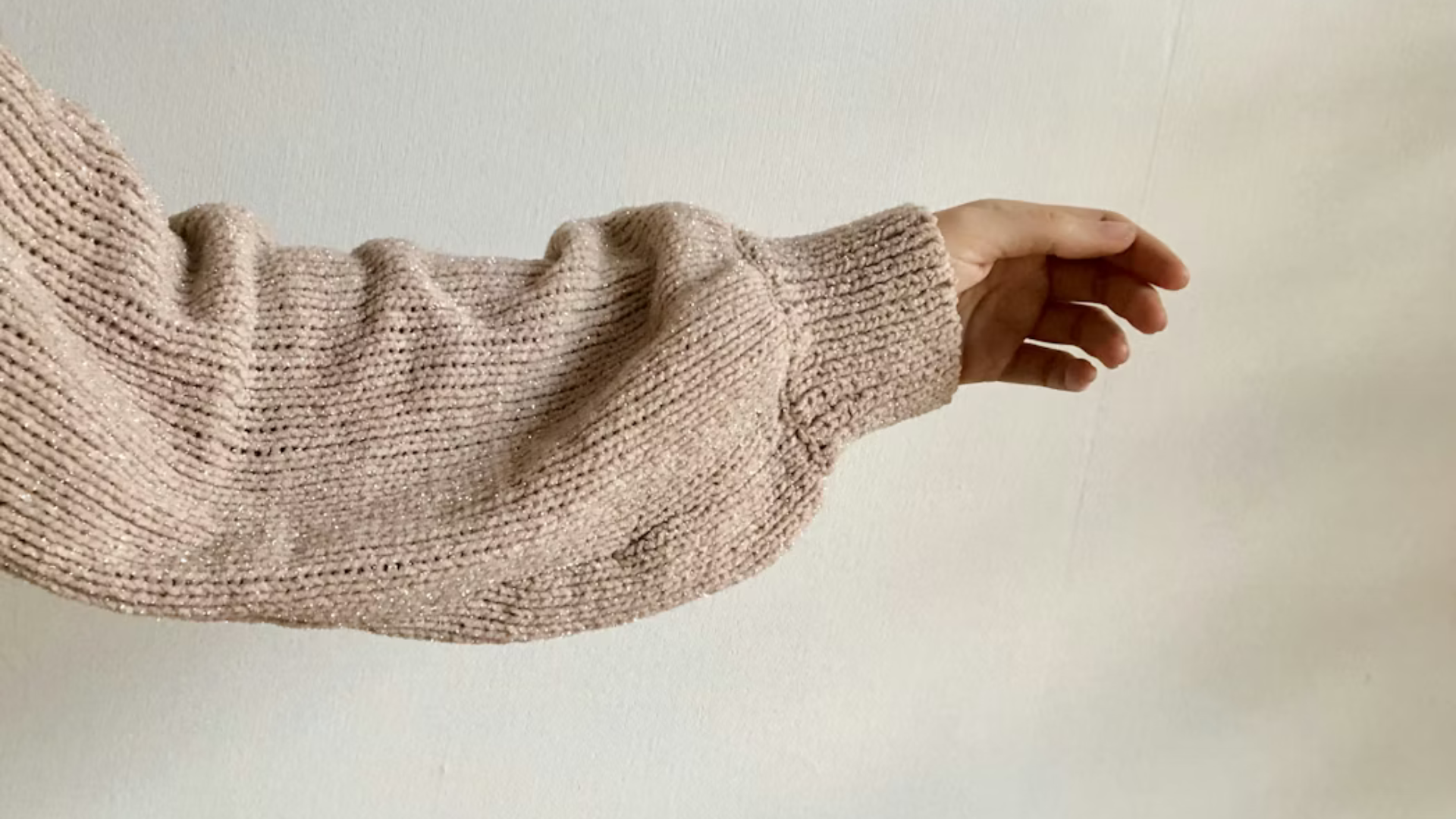
The exact point where fabric ends on the wrist or ankle changes the entire perception of proportion. A sleeve that sits slightly above the wristbone creates a more deliberate silhouette than one that collapses at the hand. The same applies to trouser breaks. Cleaner, sharper breaks feel more modern and lengthening. Stylists rarely leave these lengths untouched. It’s a precision edit, not a styling choice.
Must-Know: Proportion control is what makes outfits look “expensive”
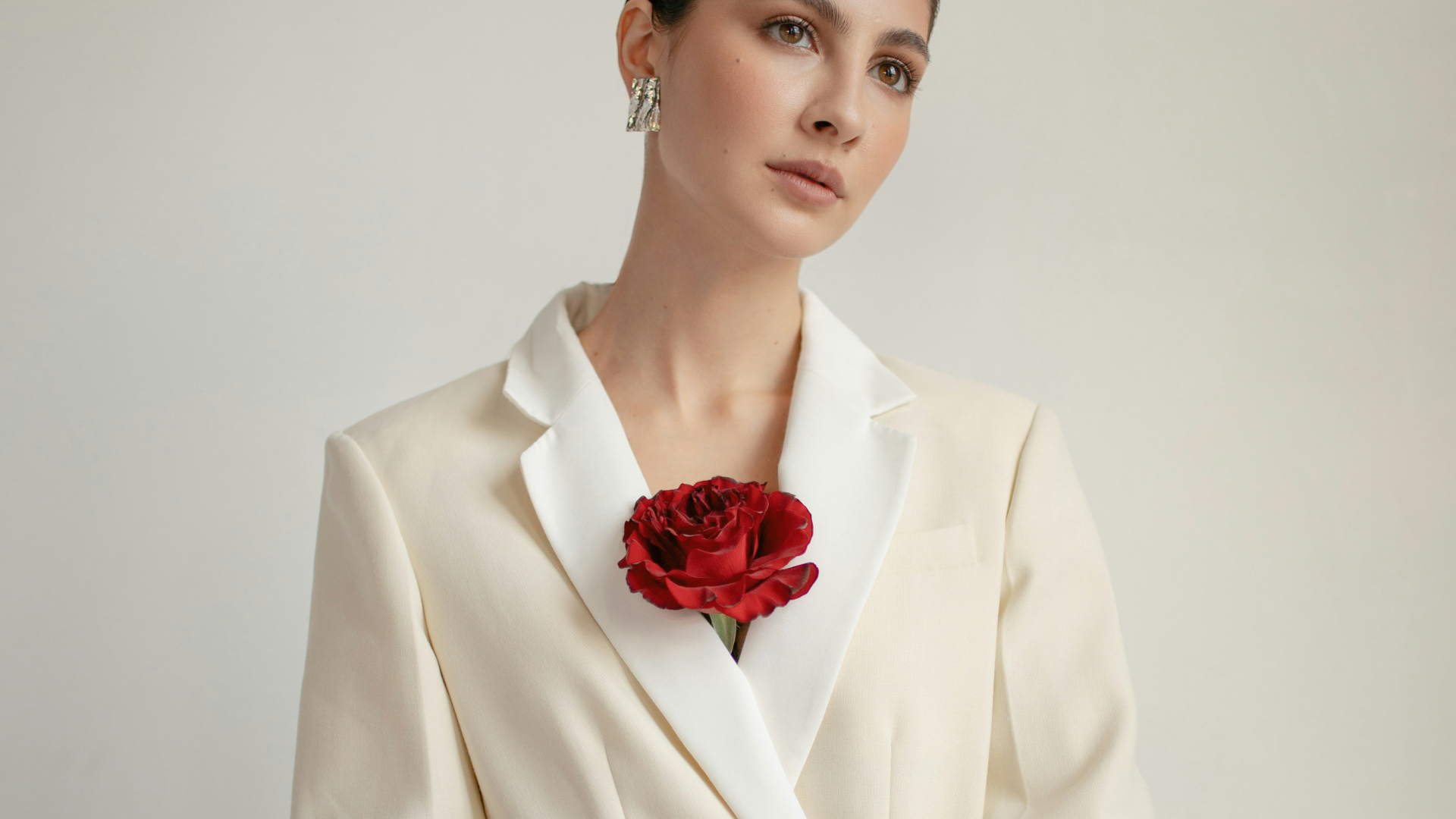
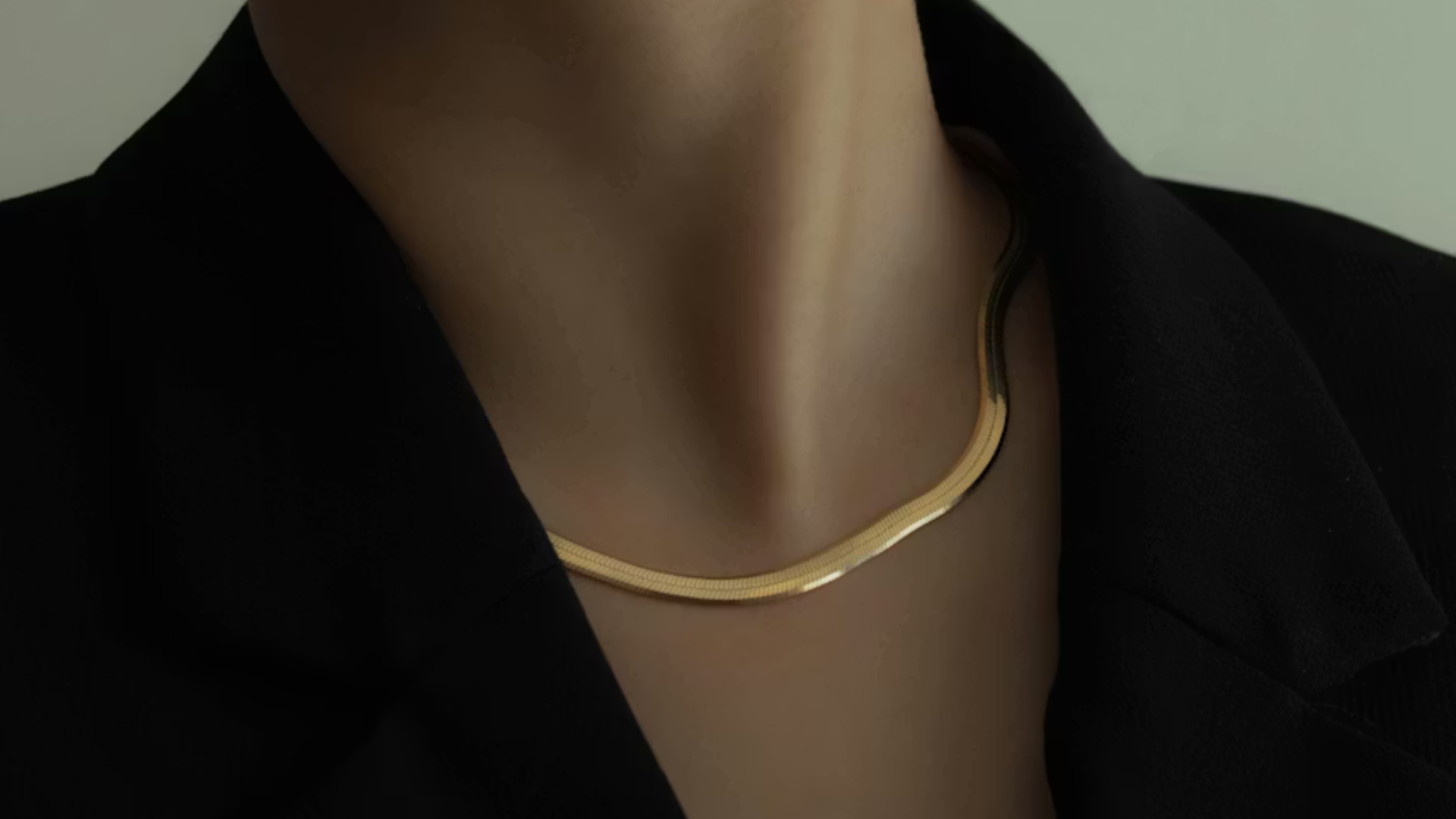
2. Intentional negative space at the neckline

What you don’t cover is as important as what you do. Leaving a controlled amount of skin at the collarbone or neck creates visual breathing room. It prevents outfits from feeling heavy or over-styled. This is why slightly open collars or angled necklines often feel more refined than fully closed ones.
Must-Know: Strategic openness creates softness without exposure
3. Breaking symmetry on purpose
Perfect symmetry can feel static. Stylists often introduce controlled imbalance,one rolled sleeve, one slightly open layer, or asymmetrical drape to make an outfit feel alive. This small disruption adds movement and modernity. It prevents the look from reading too “catalogue perfect.”
Must-Know: Imperfect balance feels more natural to the eye
4. Layer separation (not stacking)
Instead of piling layers directly on top of each other, each piece is visually separated. A visible shirt cuff under a blazer or a slightly longer inner hem creates depth. This prevents outfits from flattening into one block. It’s a technique borrowed directly from runway styling.
Must-Know: Separation creates dimension, not bulk
5. Controlled fabric tension
How tightly or loosely fabric sits on the body changes perceived elegance. Slight tension at the waist or shoulder gives structure, while too much looseness reads unfinished. Stylists constantly adjust seams, belts, and tucks to control this balance. It’s not about fit alone, it’s about pressure distribution.
Must-Know: The body should shape the outfit, not disappear inside it
6. Strategic accessory restraint
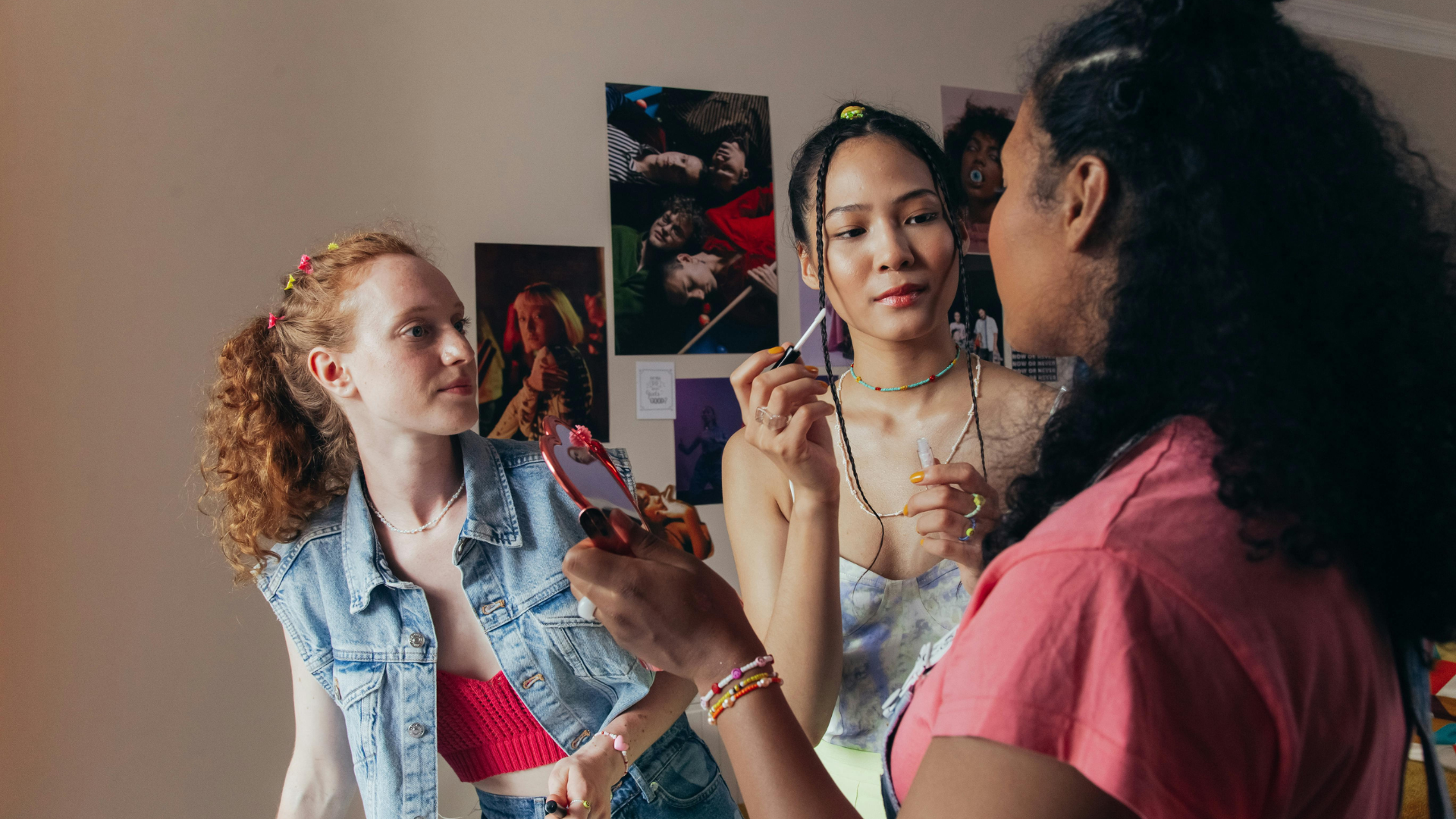
The most elevated looks often remove one accessory at the last minute. Instead of layering rings, necklaces, or earrings, one focal point is chosen and everything else is softened. This creates clarity in the visual hierarchy. The eye knows exactly where to land.
Must-Know: Reduction increases perceived intention
7. Tonal mismatch instead of exact matching
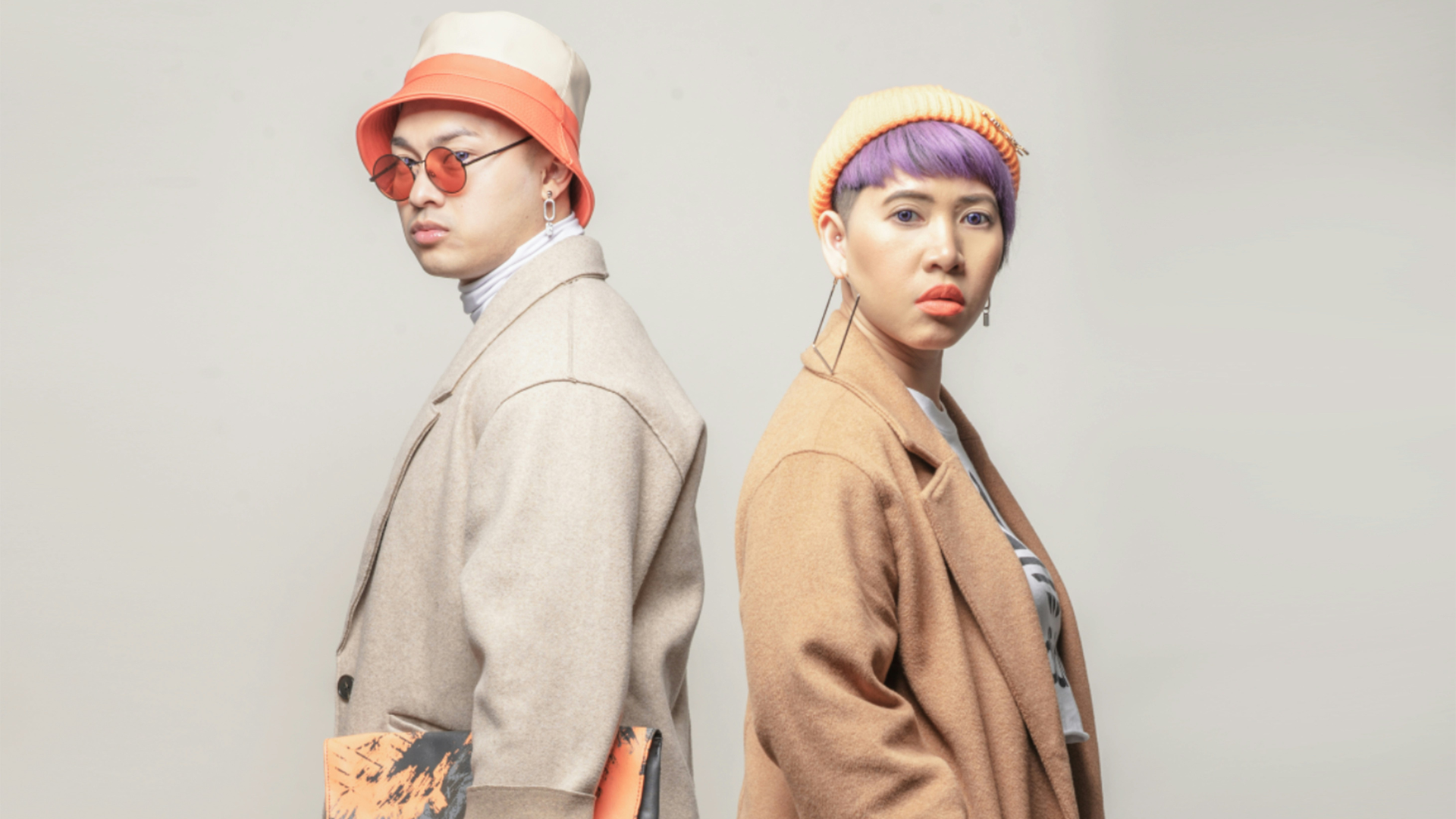
Perfect color matching can feel flat. Slight tonal variation within the same palette creates depth, ivory with cream, charcoal with soft black, warm beige with sand. This subtle mismatch is what makes outfits look editorial rather than coordinated.
Must-Know: Near-matching is more sophisticated than matching
8. Relaxed structure in formal pieces
Blazers and tailored pieces are no longer worn rigid. Slight sleeve pushing, unbuttoned tension points, or softened shoulders make tailoring feel modern. The idea is controlled ease—structure that doesn’t feel locked.
Must-Know: Relaxation inside structure signals confidence
9. Intentional imperfection in grooming alignment
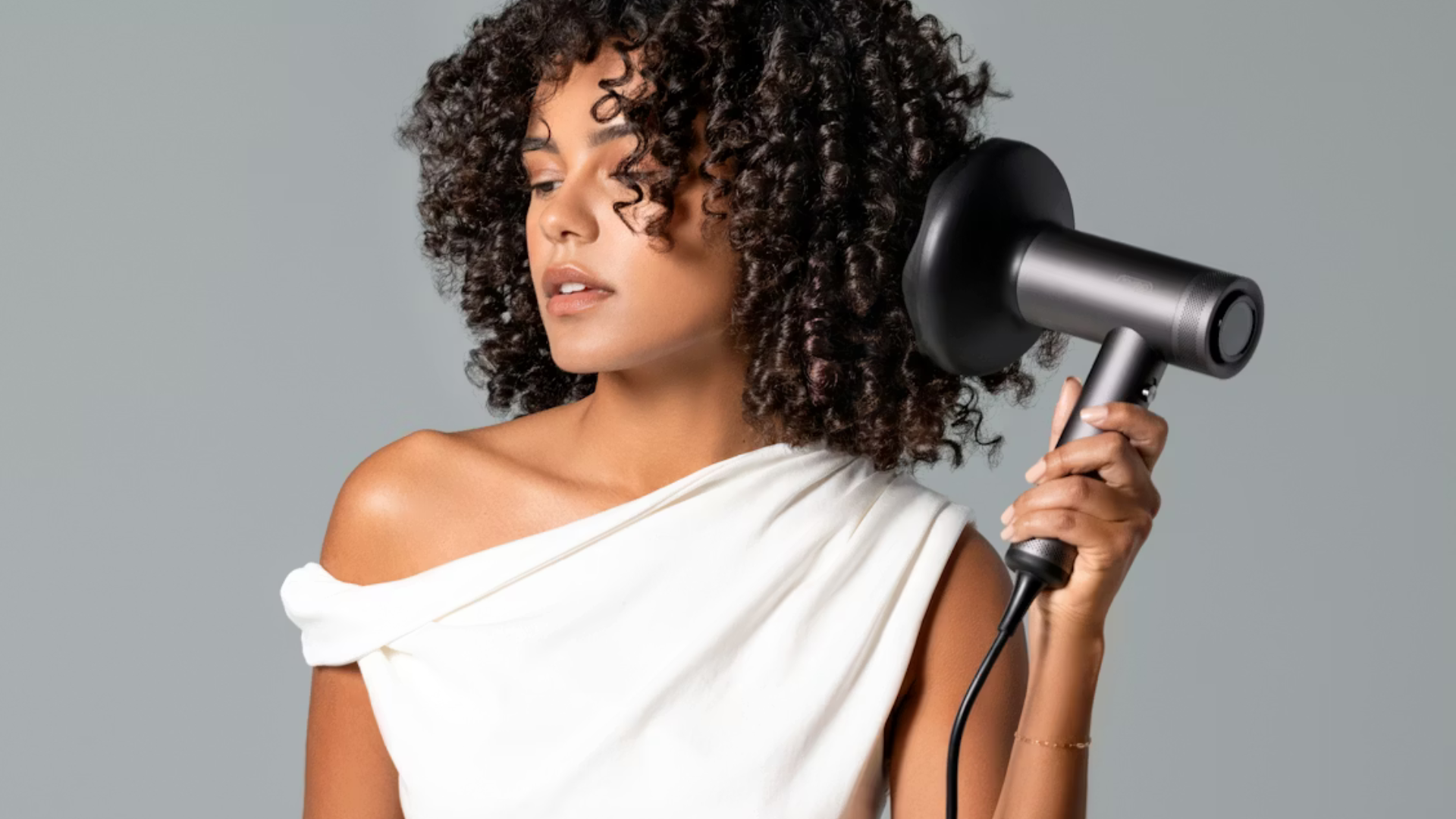
Hair and outfit alignment is never perfectly symmetrical in elevated styling. A slightly undone strand, a soft tuck behind one ear, or an asymmetrical part prevents the look from feeling staged. It adds realism without chaos.
Must-Know: Perfection reads as distance; imperfection reads as presence
10. Visual weight shifting
Stylists always balance where the “heaviness” of an outfit sits. If the top half is structured, the bottom is softened—and vice versa. This prevents visual collapse. It’s an invisible calculation that determines whether a look feels composed or overwhelming.
Must-Know: Balance is about weight distribution, not similarity
Comments (0)
No comments yet. Be the first to share your thoughts!