A truly memorable wedding is never built on excess, it is shaped by intention, restraint, and a clear sense of place. The most iconic celebrity weddings don’t rely on trend-driven styling, but on an atmosphere that feels cohesive from start to finish. Location becomes more than a setting; it informs every visual decision, from wardrobe to lighting to scale. This is what gives these weddings their cinematic quality, they feel composed, not decorated. Instead of layering details, the focus shifts to editing them. The result is an aesthetic that feels timeless because it is grounded in environment rather than embellishment. Each element below reflects that philosophy, where every choice is deliberate and nothing feels accidental.
1. Historic Villa Setting
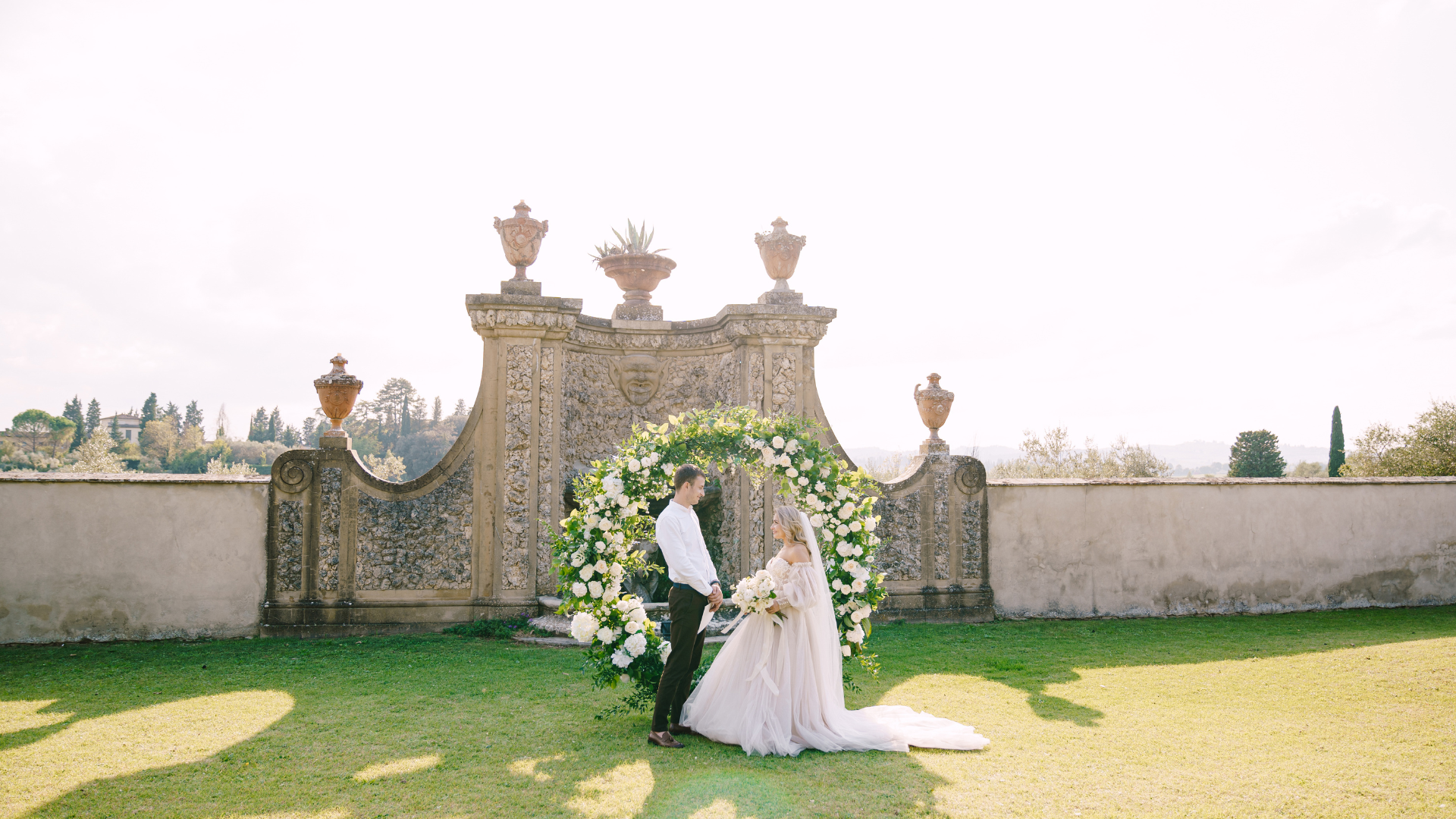
© Shutterstock/ nadtochiy
Italian villas bring a quiet, enduring grandeur that immediately elevates a wedding without the need for excessive styling. The aged stone, expansive terraces, and natural symmetry create a built-in visual narrative. These spaces feel layered with history, which adds emotional weight to the ceremony itself. Rather than competing with the venue, styling should feel secondary and restrained. The beauty lies in allowing the architecture to remain visible and uninterrupted. The result is a setting that feels both intimate and monumental at once.
Best Season: Late spring
Style: Flowing, minimal silhouettes
Styling Tip: Keep décor low and unobtrusive to highlight architecture
Must-Know: The venue itself carries the aesthetic
2. Coastal Cliffside Backdrops
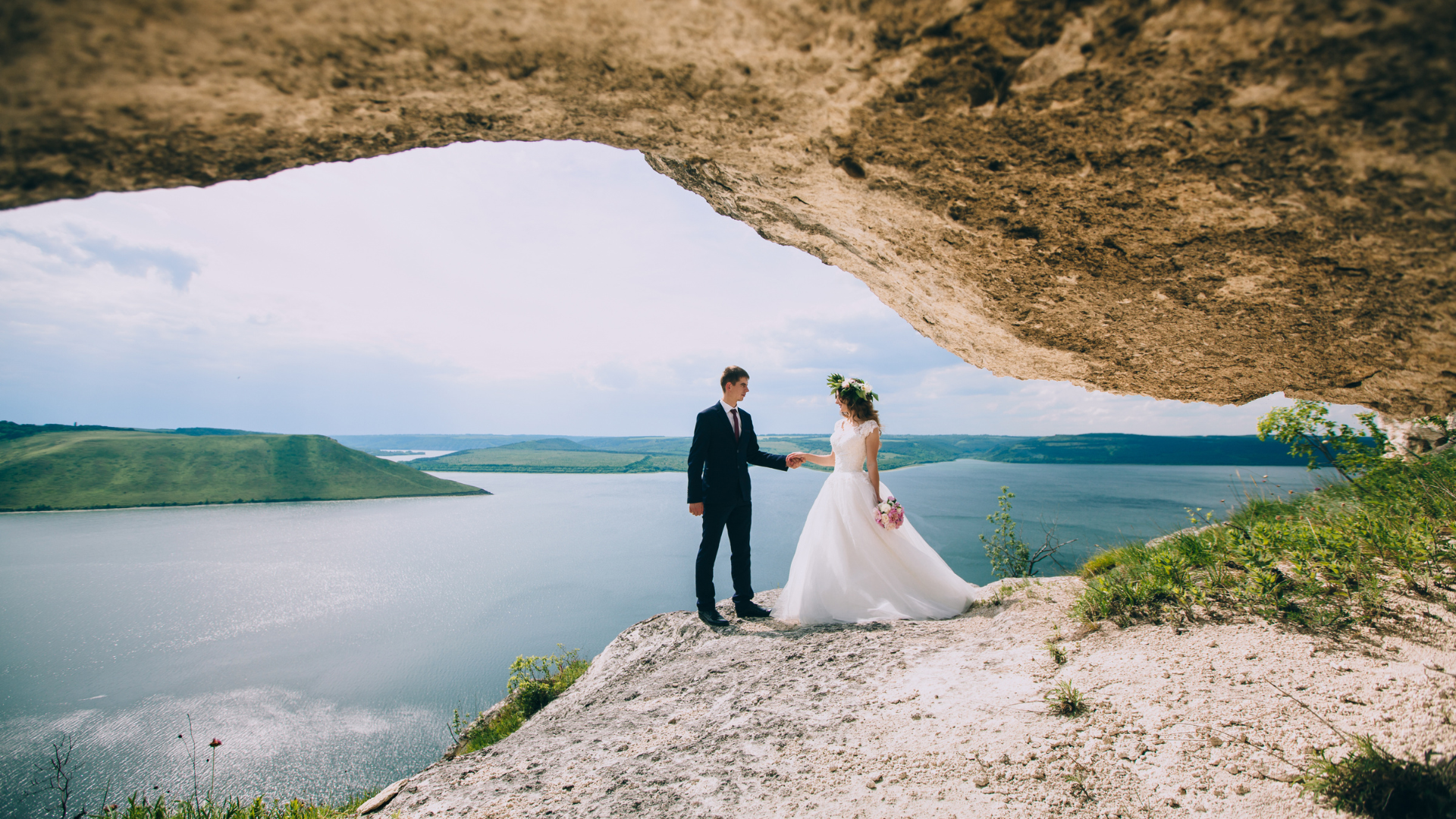
© Shutterstock/ Dmytro Sheremeta
Cliffside locations introduce movement and contrast—soft fabrics against rugged landscapes, structured silhouettes against open horizons. The shifting light throughout the day creates a naturally cinematic effect. These settings feel expansive, yet emotionally charged. Styling works best when it doesn’t compete with the view. The focus should remain on atmosphere rather than detail. The overall effect is effortless, not overly curated.
Best Time: Sunset
Use It With: Sheer, lightweight fabrics
Styling Tip: Keep colors muted to echo the natural surroundings
Must-Know: Light defines the entire visual mood
3. Castle Grandeur
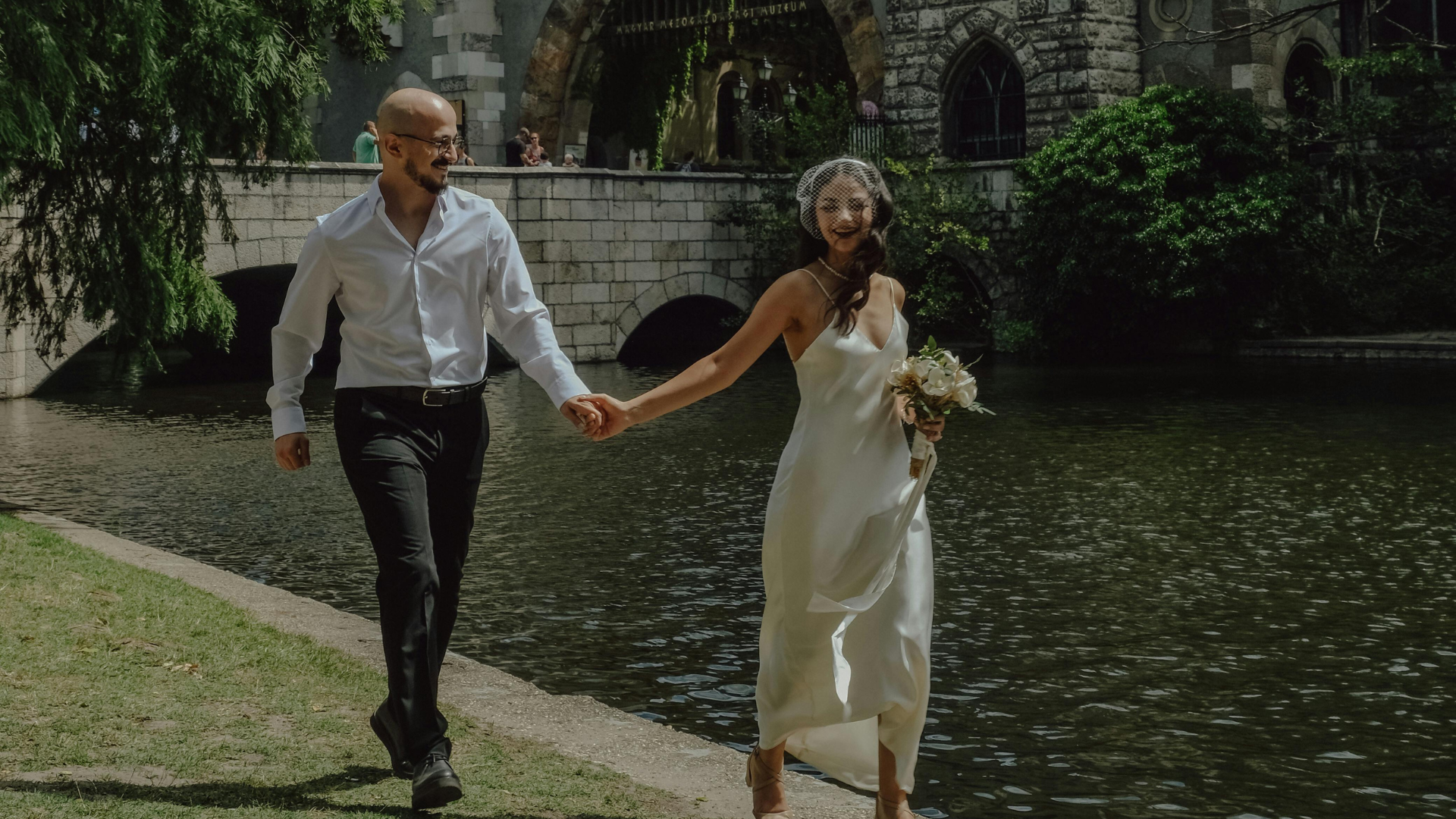
© Pexels/Tuğba Sarıtaş
Castle weddings carry an inherent sense of drama and scale, but they require careful balance to avoid feeling overwhelming. The architecture is heavy, detailed, and historically rich. Styling should soften rather than add to that weight. Lighting becomes essential in shaping the mood within such large spaces. When done correctly, the setting feels immersive rather than theatrical. It’s about refinement, not exaggeration.
Best Season: Autumn
Style: Structured, long-sleeved silhouettes
Styling Tip: Use warm lighting to soften stone textures
Must-Know: Scale must be balanced with intimacy
4. Private Island Escapes
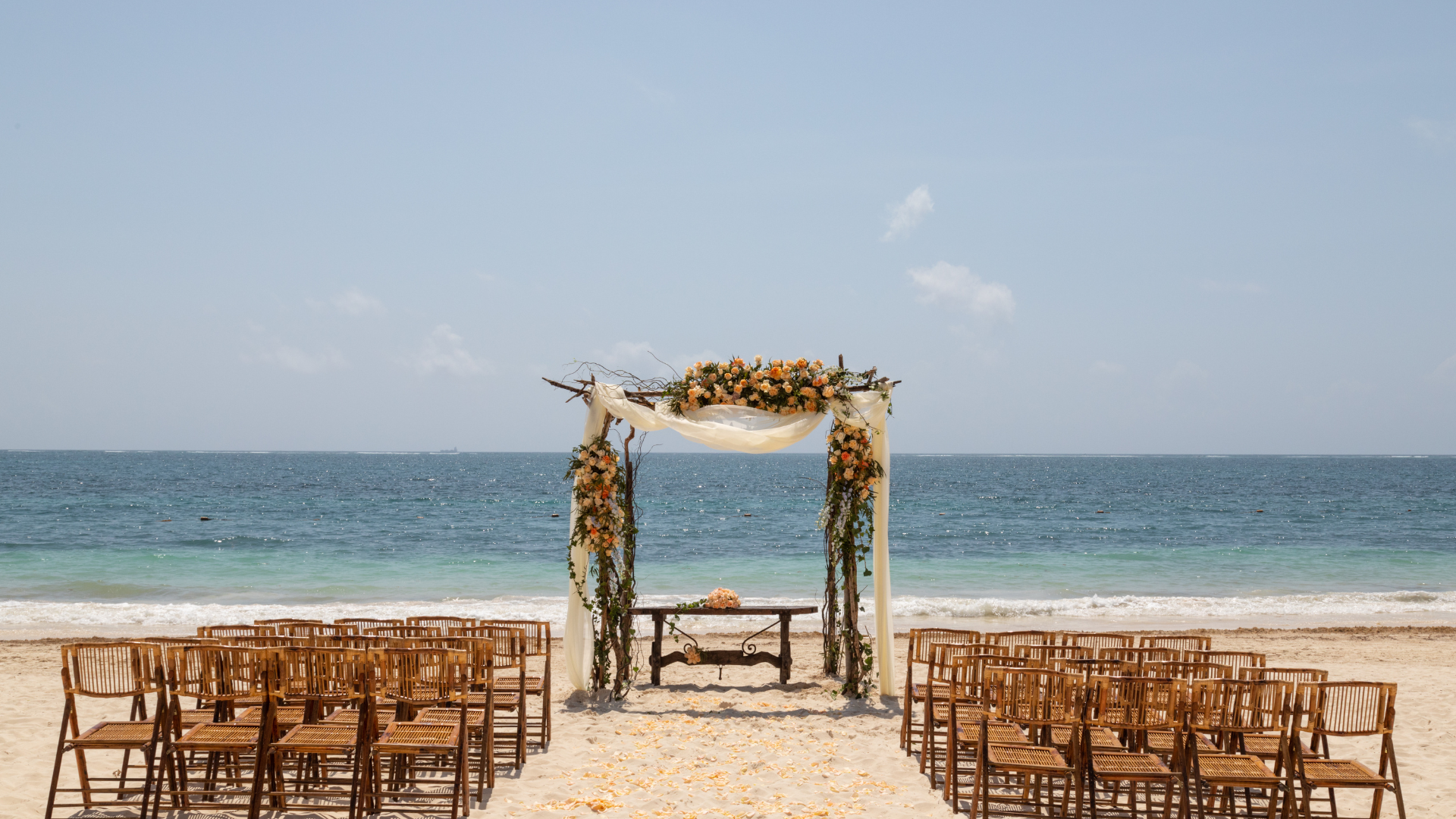
© Shutterstock/ I.A.Photography
Private islands redefine luxury through simplicity and isolation. The absence of distraction allows the experience to feel deeply personal. The setting encourages a relaxed, barefoot elegance rather than formal rigidity. Styling should feel effortless and breathable. The environment naturally provides texture and movement. The focus shifts from visual impact to emotional presence.
Best Season: Dry season
Use It With: Lightweight natural fabrics
Styling Tip: Avoid heavy décor, let the landscape lead
Must-Know: Simplicity becomes the defining statement
5. French Château Romance
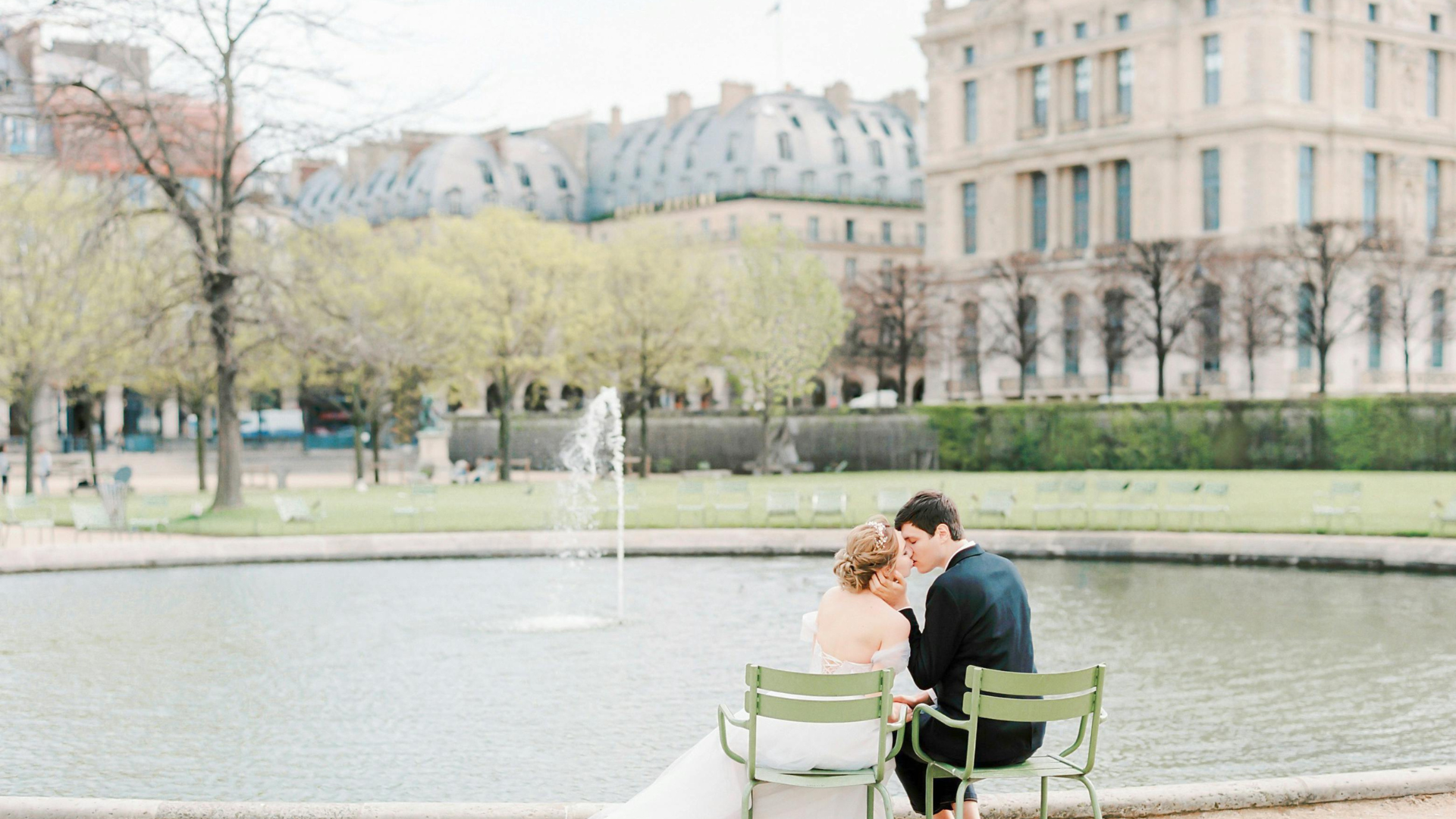
© Pexels/Eugenia Remark
French châteaux offer symmetry, elegance, and a sense of quiet refinement. Their structured gardens and ornate interiors create a balanced visual language. Styling should mirror this sense of proportion rather than disrupt it. Softness works better than excess detail. The overall mood is polished but never rigid. Everything feels composed, yet natural.
Best Season: Early summer
Style: Lace and silk textures
Styling Tip: Align décor with the venue’s natural symmetry
Must-Know: Balance defines the aesthetic
6. Lakefront Serenity
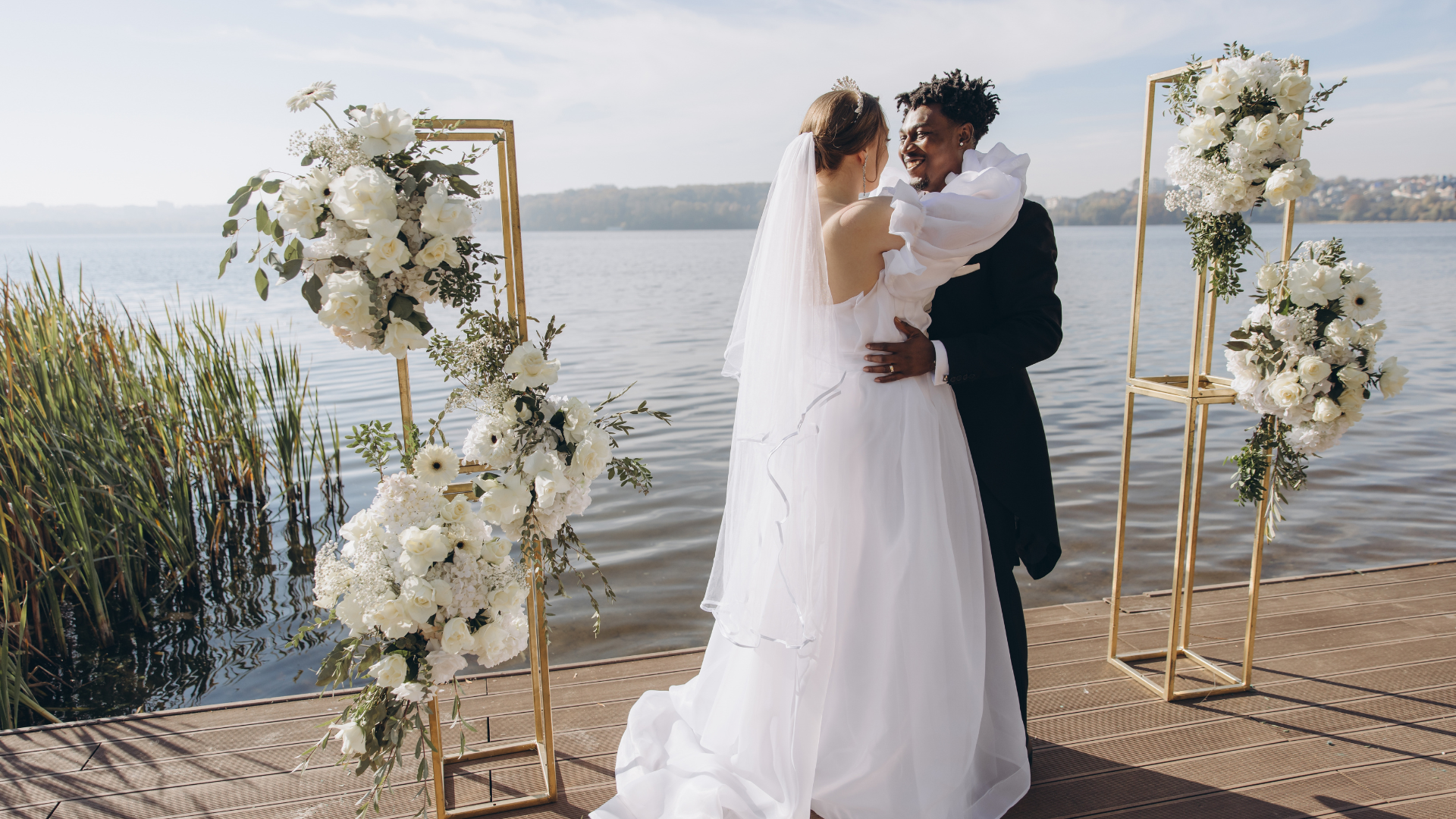
© Shutterstock/Anatoliy Cherkas
Lake settings introduce stillness and reflection, both visually and emotionally. The water doubles the impact of light and surrounding architecture. These weddings feel quieter and more introspective. Styling should remain soft and unobtrusive. The atmosphere relies on subtlety rather than contrast. The result is deeply romantic without feeling staged.
Best Time: Golden hour
Use It With: Soft draping fabrics
Styling Tip: Position key moments to capture reflections
Must-Know: Subtle details create the strongest impact
7. Garden Estate Settings
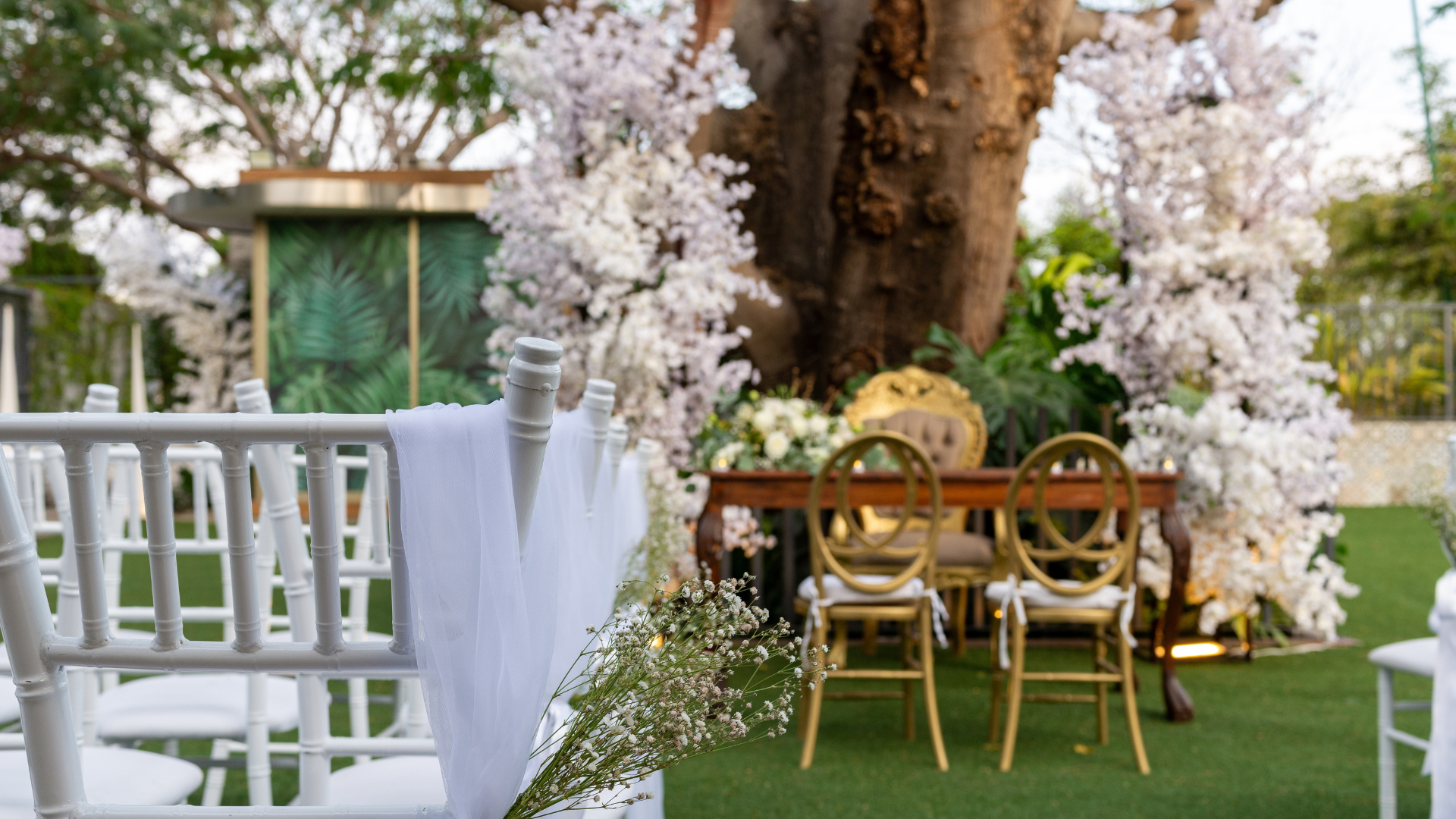
© Shutterstock/ Sandor Mejias B
Garden estates offer a balance between organic beauty and gentle structure. The changing light and seasonal blooms create a dynamic environment. Styling should feel integrated rather than imposed. Working with the natural palette ensures cohesion. These settings feel alive, which adds movement to the overall aesthetic. The mood is romantic without being overly styled.
Best Season: Spring
Style: Floral-inspired textures
Styling Tip: Use seasonal blooms rather than imported arrangements
Must-Know: Nature should guide every decision
8. Mediterranean Courtyard Venues
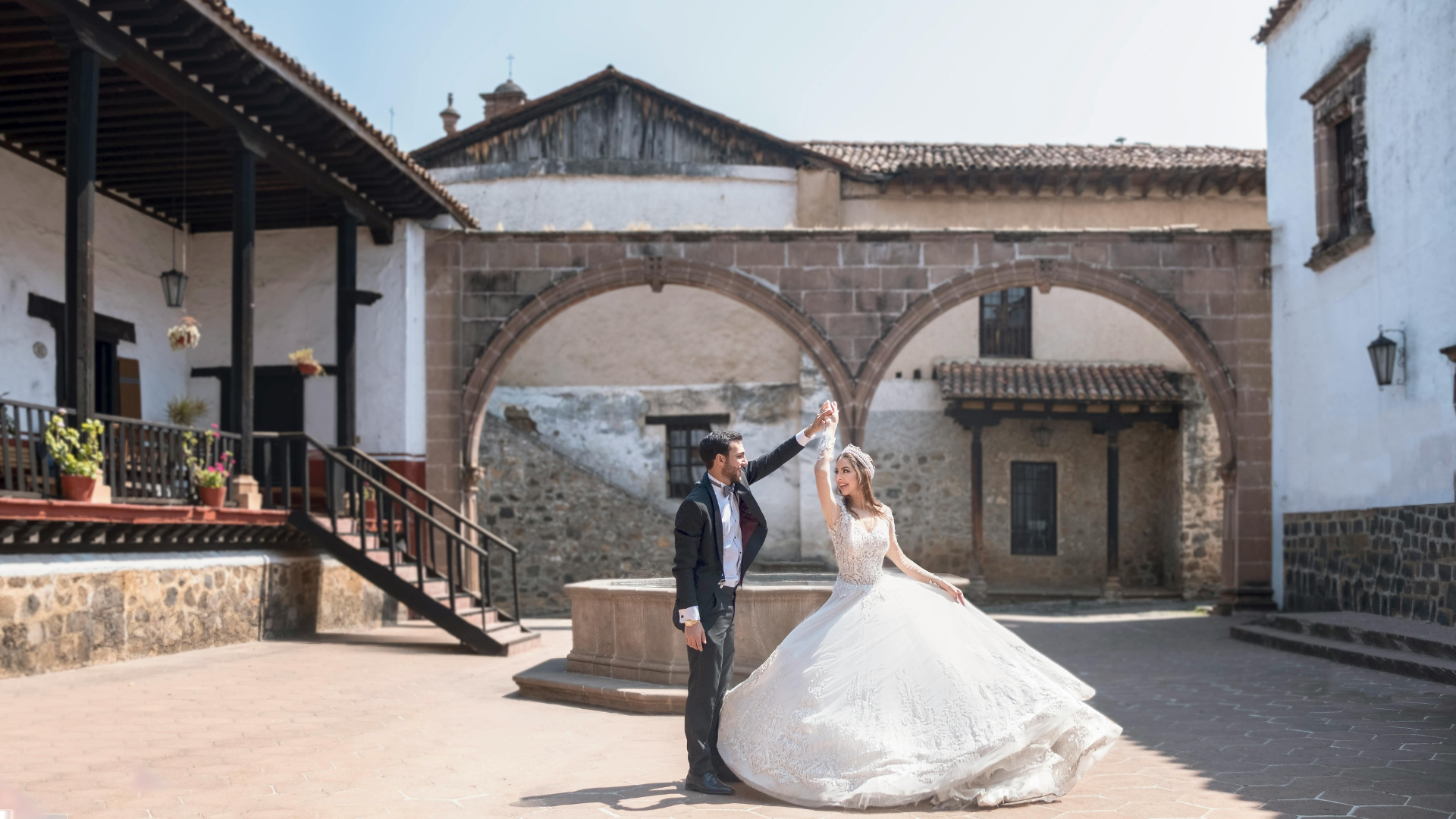
© Pexels/ Asdrubal Luna
Courtyards create intimacy within larger architectural spaces, offering warmth and enclosure. The combination of stone walls, open sky, and layered lighting builds depth naturally. These spaces are ideal for creating an immersive, shared atmosphere. Styling should enhance that closeness rather than distract from it. The effect is inviting and grounded. It feels personal, even at scale.
Best Time: Late summer evenings
Use It With: Warm neutral palettes
Styling Tip: Anchor the space with low candle clusters
Must-Know: Enclosure naturally intensifies intimacy
9. Cultural Landmark Venues
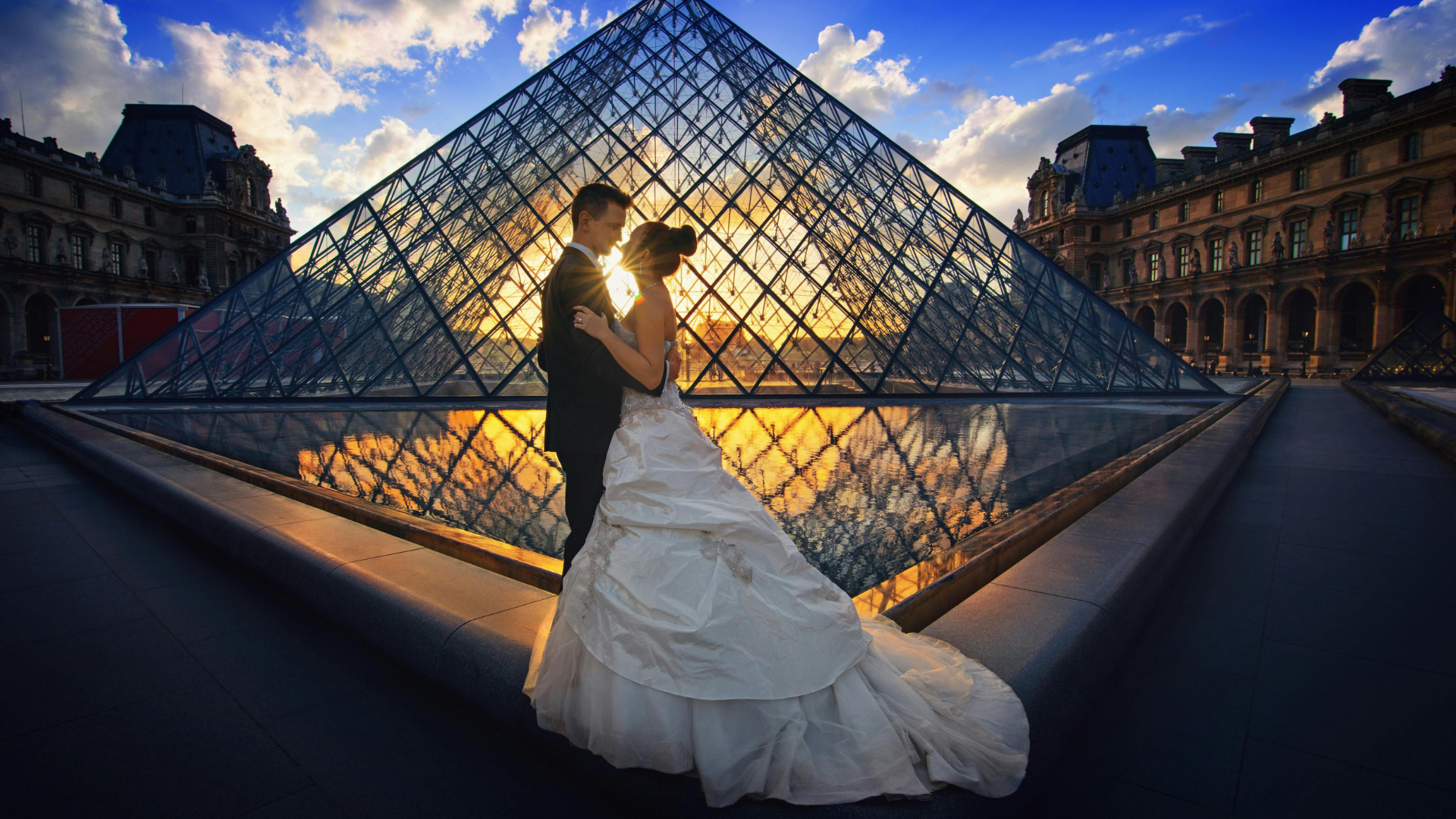
© Pexels/Igor Link
Iconic landmarks bring immediate visual impact through their architectural significance. These spaces already carry identity and history. Styling should remain minimal to avoid visual conflict. The scale demands confidence but also restraint. When handled well, the result feels iconic rather than excessive. The venue itself becomes the focal point.
Best Time: Evening
Style: Clean, dramatic silhouettes
Styling Tip: Keep installations minimal and intentional
Must-Know: The setting dictates the tone
10. Mountain Retreat Locations
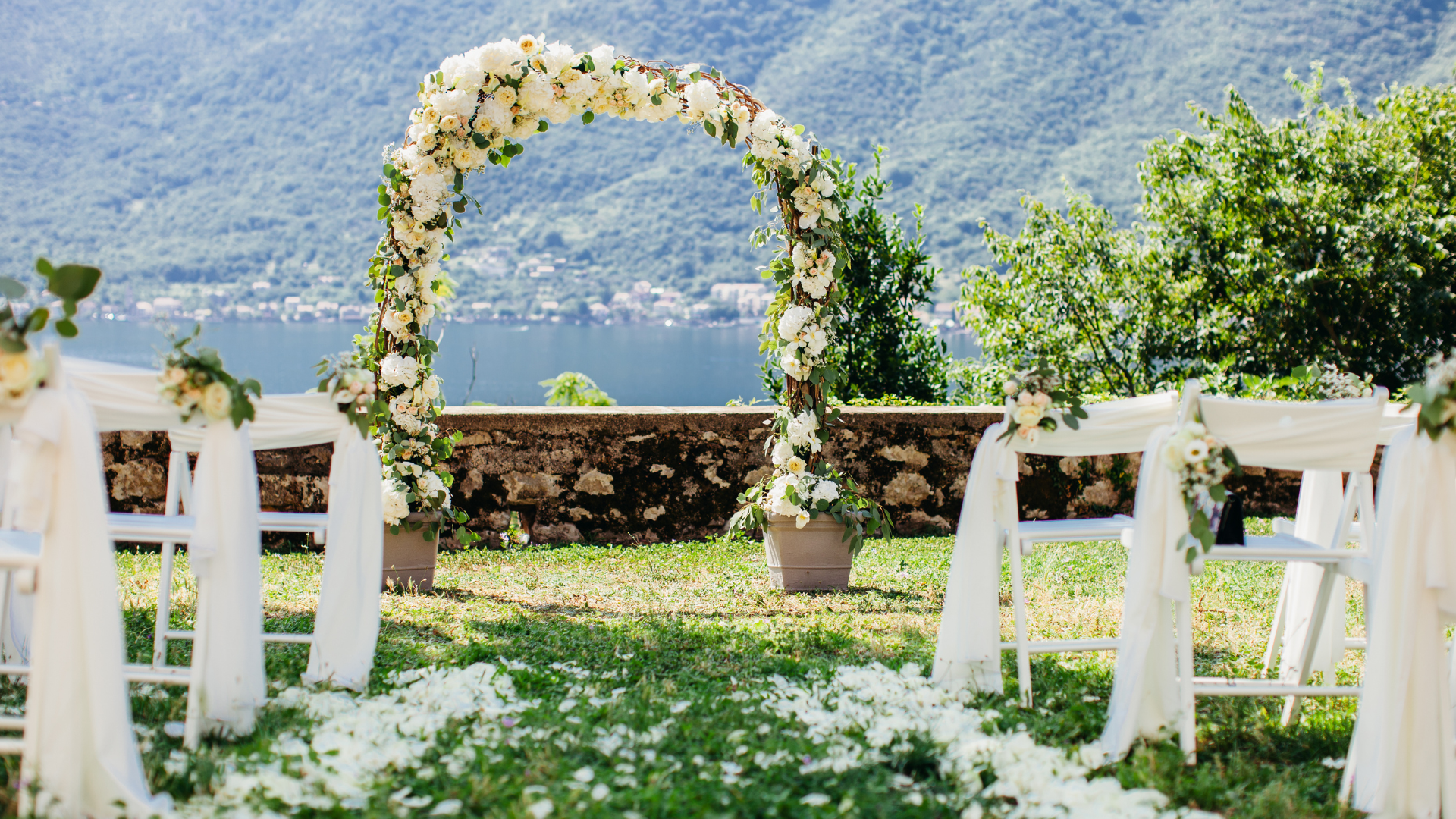
© Shutterstock/ shevtsovy
Mountain settings introduce a grounded, natural elegance. The scale of the landscape creates perspective and calm. These weddings feel introspective and atmospheric. Styling should reflect the textures of the environment. Nothing should feel overly polished or artificial. The aesthetic is rooted in authenticity.
Best Season: Late summer
Use It With: Earth-toned layers
Styling Tip: Embrace natural textures like wood and stone
Must-Know: The landscape defines the mood
11. Luxury Resort Environments
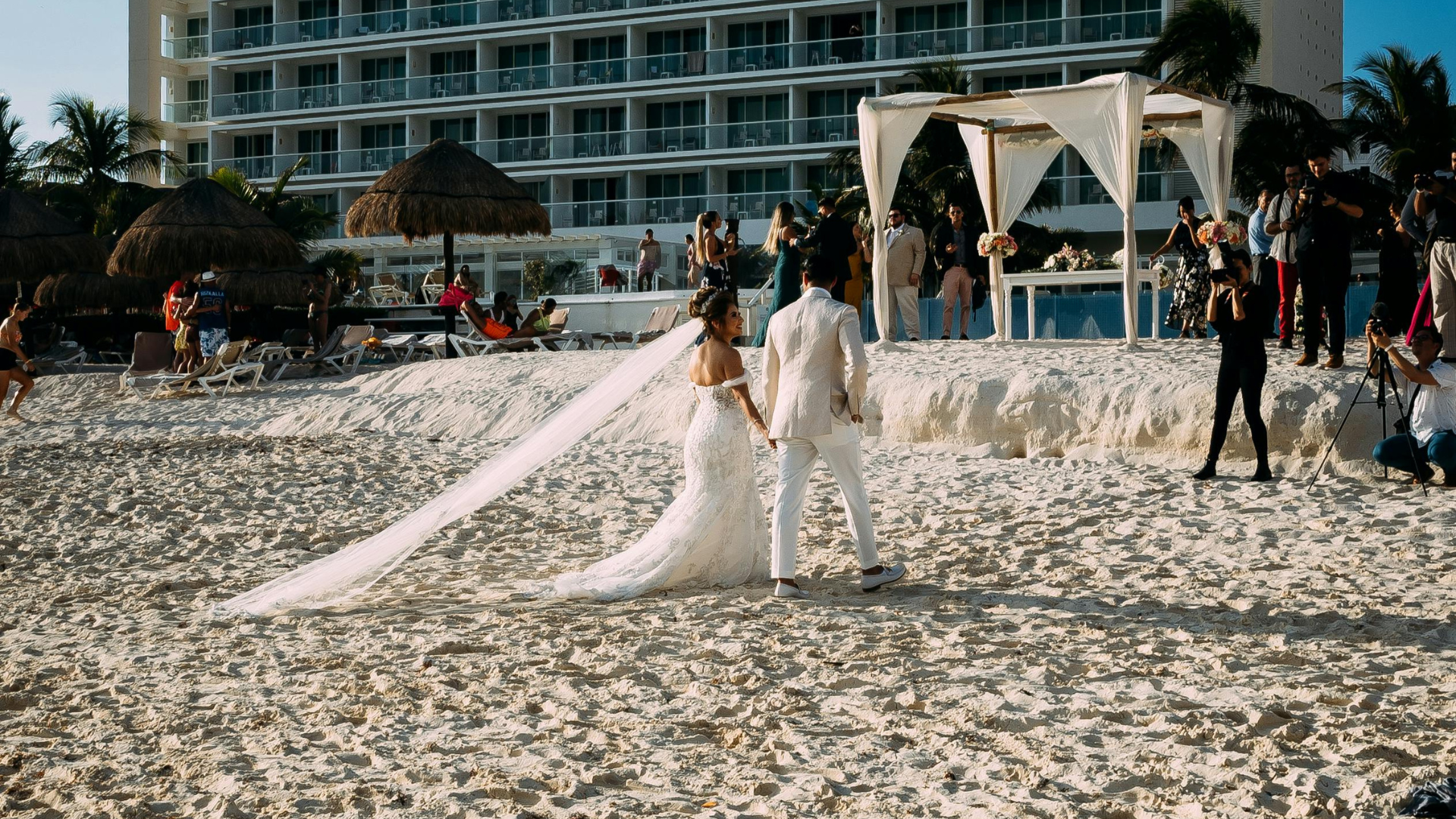
© Pexels/Ricky Esquivel
Resorts offer curated versatility, allowing multiple settings within one cohesive space. This creates a seamless flow between events. The aesthetic feels polished but relaxed. Styling can shift slightly between moments while maintaining overall cohesion. The environment supports both structure and ease. It’s about controlled flexibility.
Best Season: Year-round
Style: Clean, contemporary silhouettes
Styling Tip: Use different areas to create distinct atmospheres
Must-Know: Versatility is the key advantage
12. Desert or Palace Landscapes
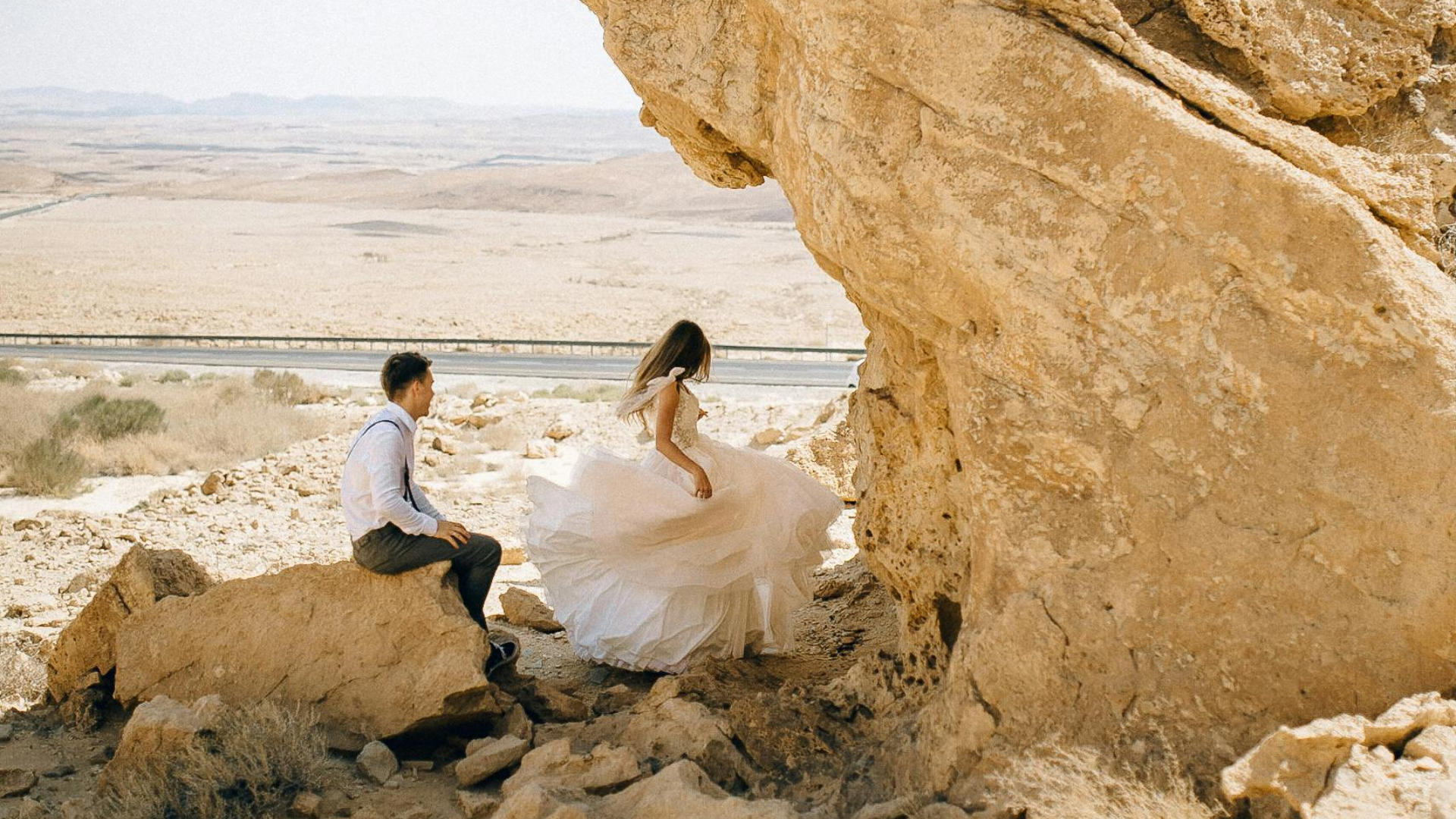
© Pexels/Nataliya Vaitkevich
Desert and palace settings rely on contrast, minimal surroundings paired with intricate architectural detail. The light is strong, and shadows become part of the design. Styling should reflect this bold simplicity. Rich tones and defined shapes work best. The overall effect is striking but controlled.
Best Season: Winter
Style: Structured, statement silhouettes
Styling Tip: Use light and shadow to create dimension
Must-Know: Contrast drives the visual identity
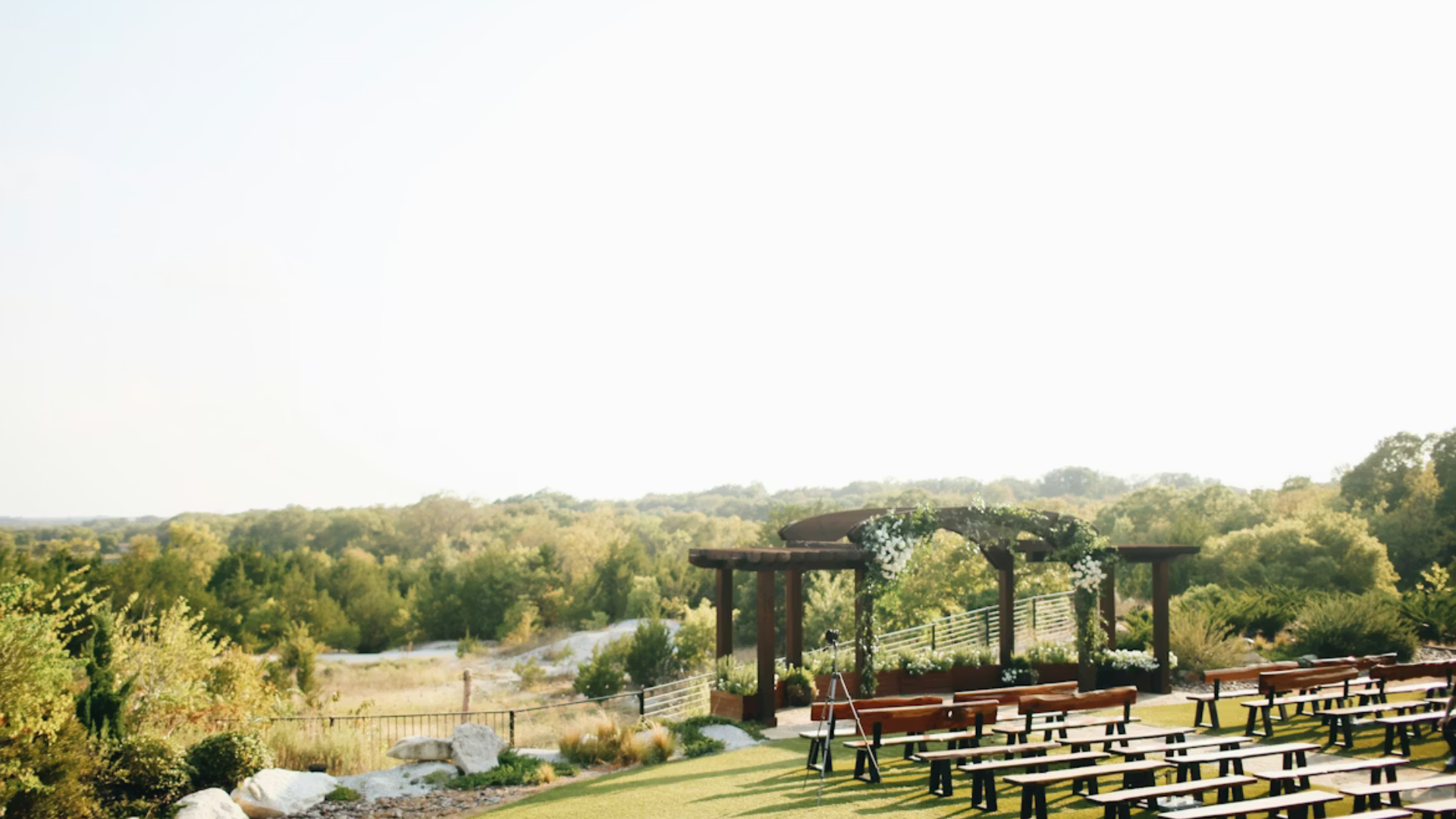
13. Countryside Estates
© Unsplash/Fallon Michael
Countryside venues feel relaxed yet refined, offering open space and soft textures. The environment encourages ease and movement. Styling should remain light and breathable. Nothing should feel overly constructed. The aesthetic is approachable without losing elegance. It’s about quiet confidence.
Best Season: Early autumn
Use It With: Soft, natural fabrics
Styling Tip: Keep layouts open and uncluttered
Must-Know: Effortless styling creates the impact
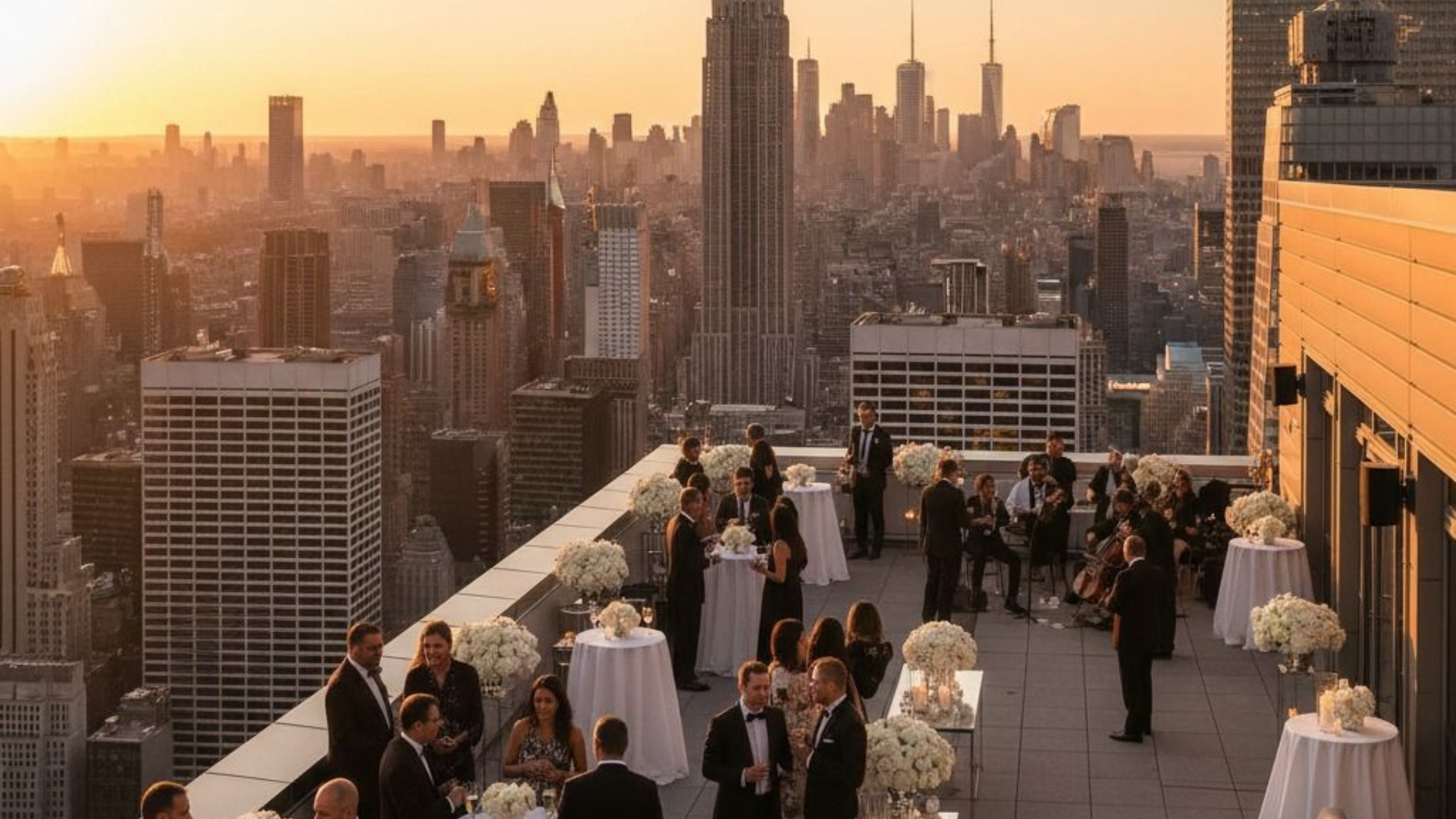
14. City Landmark Venues
© Pinterest /greatEvent
City settings bring structure, sharpness, and a modern edge. The architecture creates strong visual lines. Styling should contrast that with softness or simplicity. Lighting plays a key role in defining the mood. The aesthetic feels intentional and editorial. It’s less romantic, more refined.
Best Time: Night
Style: Tailored, structured silhouettes
Styling Tip: Highlight architectural lines with focused lighting
Must-Know: Clean structure defines the look
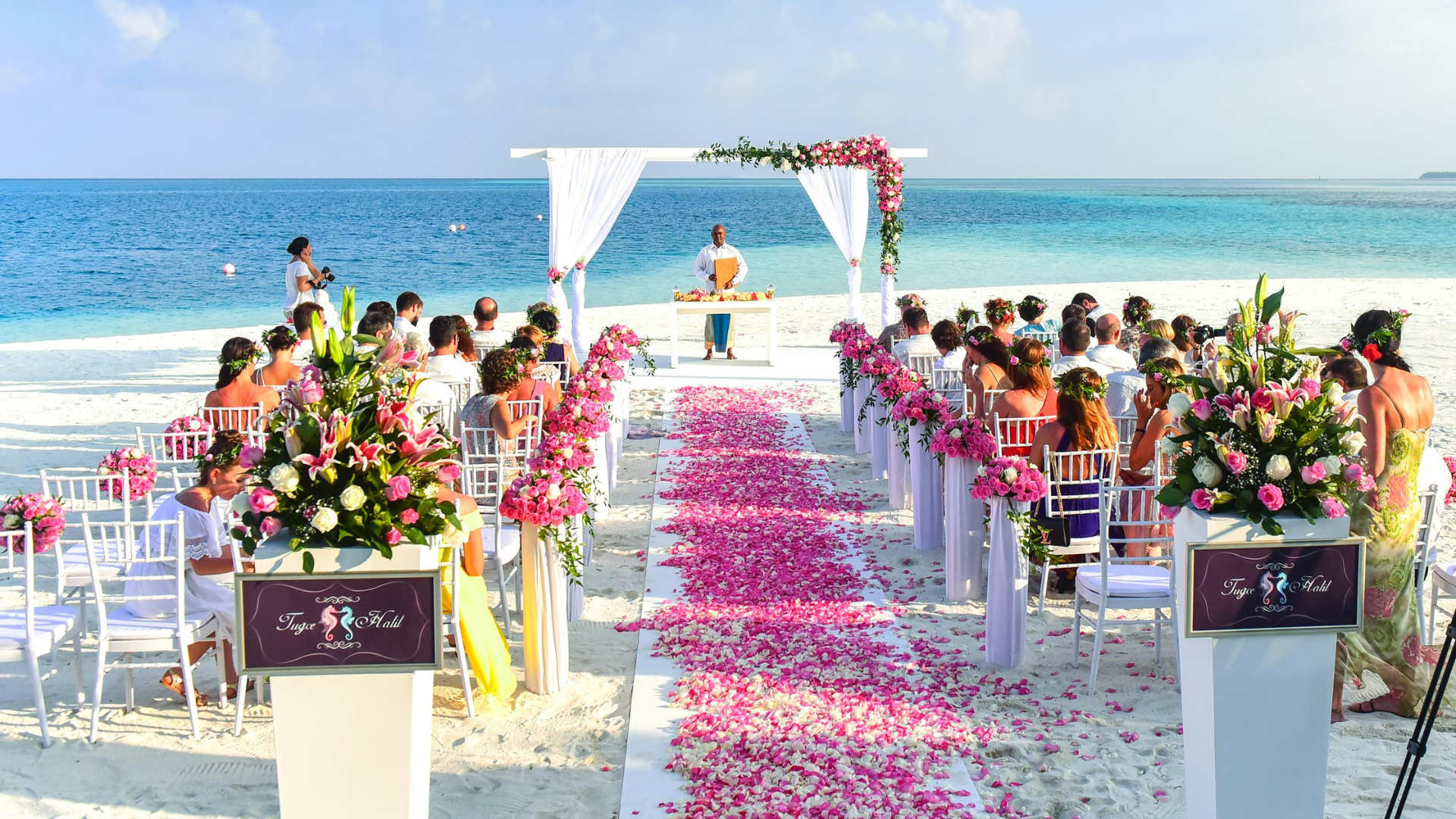
15. Multi-Day Destination Experience
© Pexels/ Asad Photo Maldives
Multi-day weddings allow the aesthetic to unfold gradually, creating a layered narrative. Each event carries its own tone while remaining connected. This approach builds depth and continuity. Styling should evolve without losing cohesion. The experience feels immersive rather than momentary. It transforms the wedding into a complete story.
Best Season: Depends on location
Use It With: Coordinated wardrobe changes
Styling Tip: Treat each event as a distinct visual chapter
Must-Know: Cohesion across events is essential

Comments (0)
No comments yet. Be the first to share your thoughts!