Current Date: 9 May, 2026

Key rituals that define a traditional Indian wedding ceremony

Indian weddings are known for their rich traditions, layered rituals, and strong cultural meaning. These ceremonies are not just about two individuals but about bringing families together through symbolic practices. While customs may vary across regions, many rituals remain widely recognized and continue to reflect heritage, spirituality, and the importance of marriage in Indian culture.

1. Social traditions and marriage customs
1. Social traditions and marriage customs
© shutterstock / Raksha Shelare

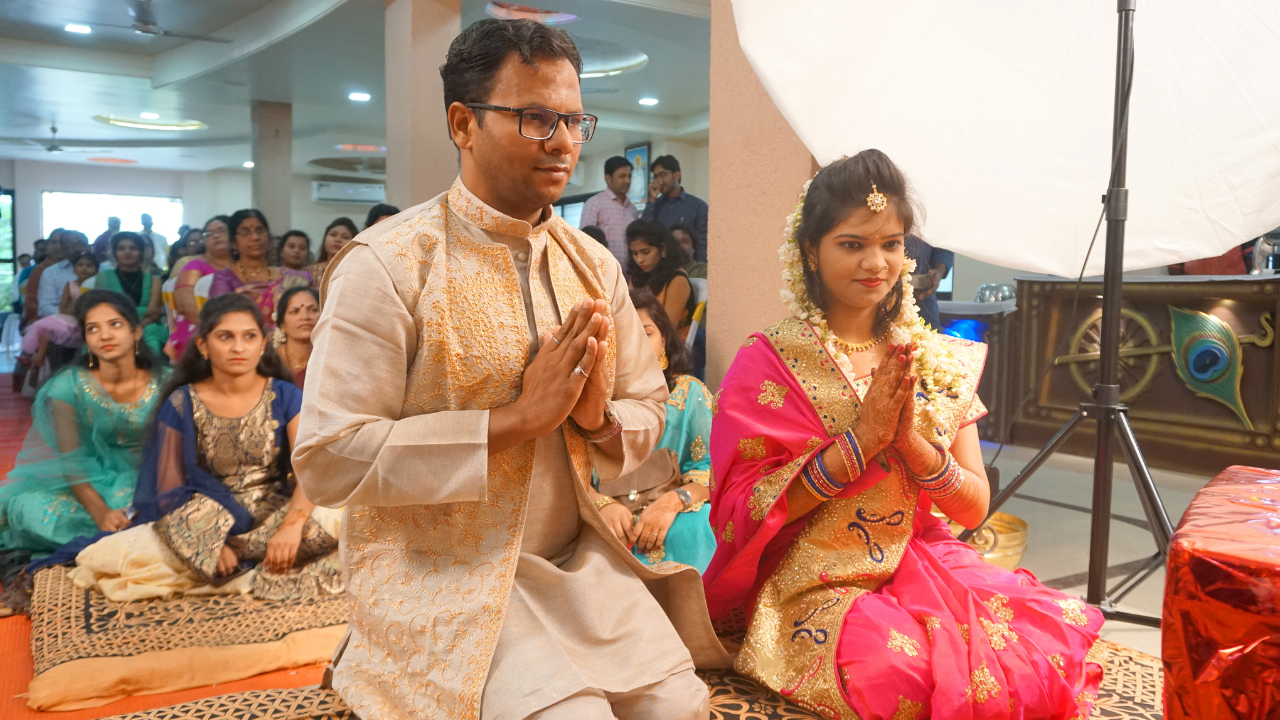
Traditional Indian weddings have long been influenced by social and cultural groupings that shaped marriage choices. Families often preferred unions within similar backgrounds to maintain shared customs and values. While modern society has become more flexible, these traditions still play a role in some communities, reflecting how cultural structures continue to influence relationships and wedding practices.

2. The importance of marriage in society
2. The importance of marriage in society
© shutterstock / Raksha Shelare

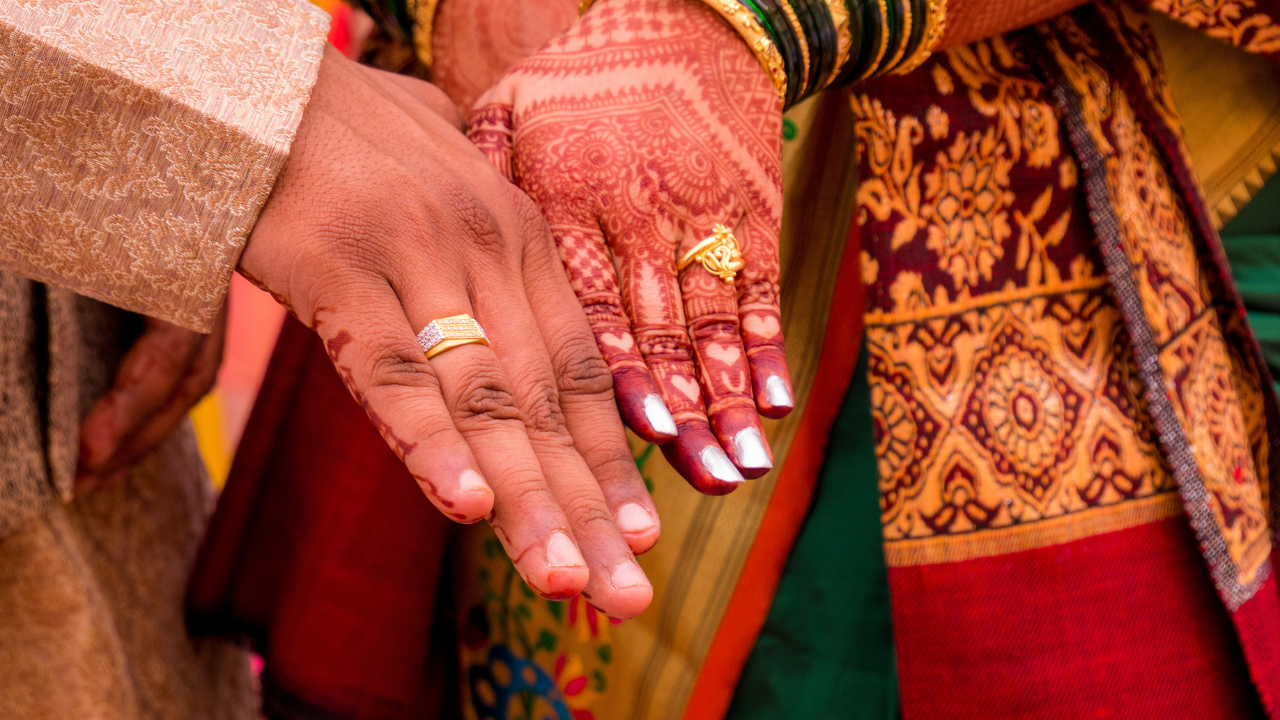
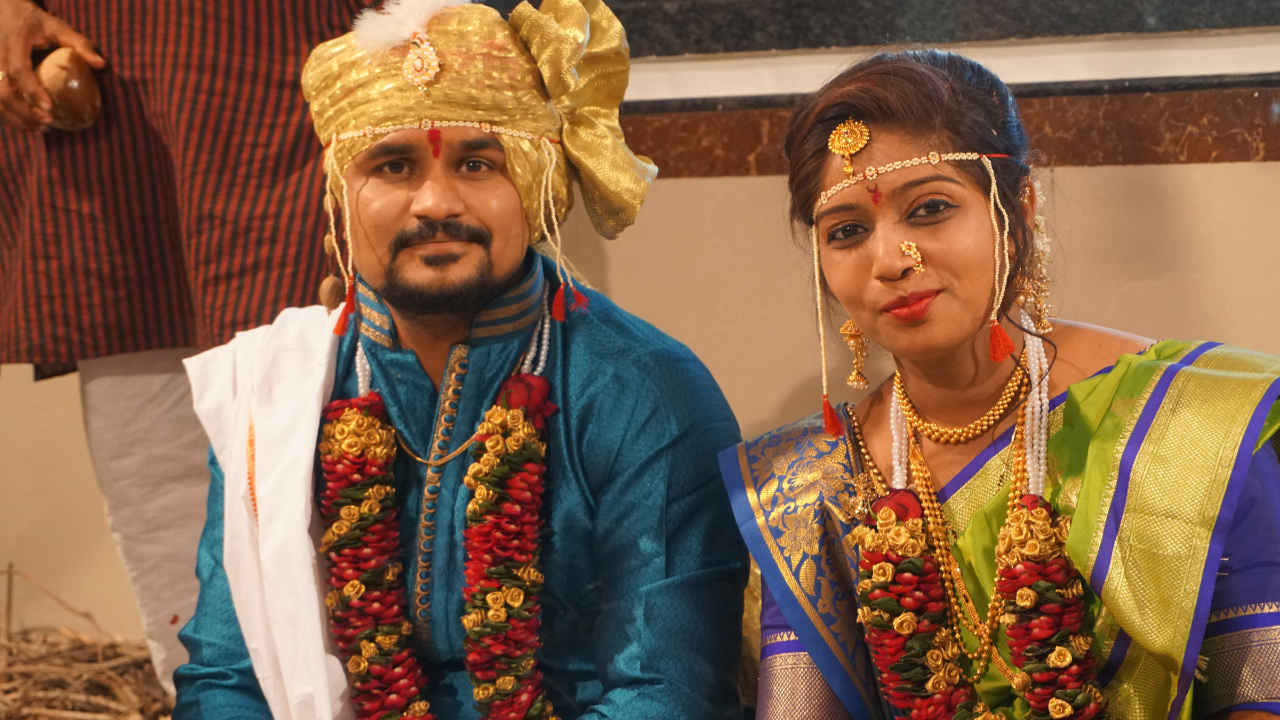
Marriage is considered a major life milestone in Indian culture and is often viewed as a union between families rather than just individuals. It represents responsibility, stability, and continuation of traditions. Because of this, weddings are treated with great importance, and every ritual is designed to reflect commitment, respect, and the beginning of a shared life journey.

3. Multi-day wedding celebrations

3. Multi-day wedding celebrations
© shutterstock / Mayur_Mehta

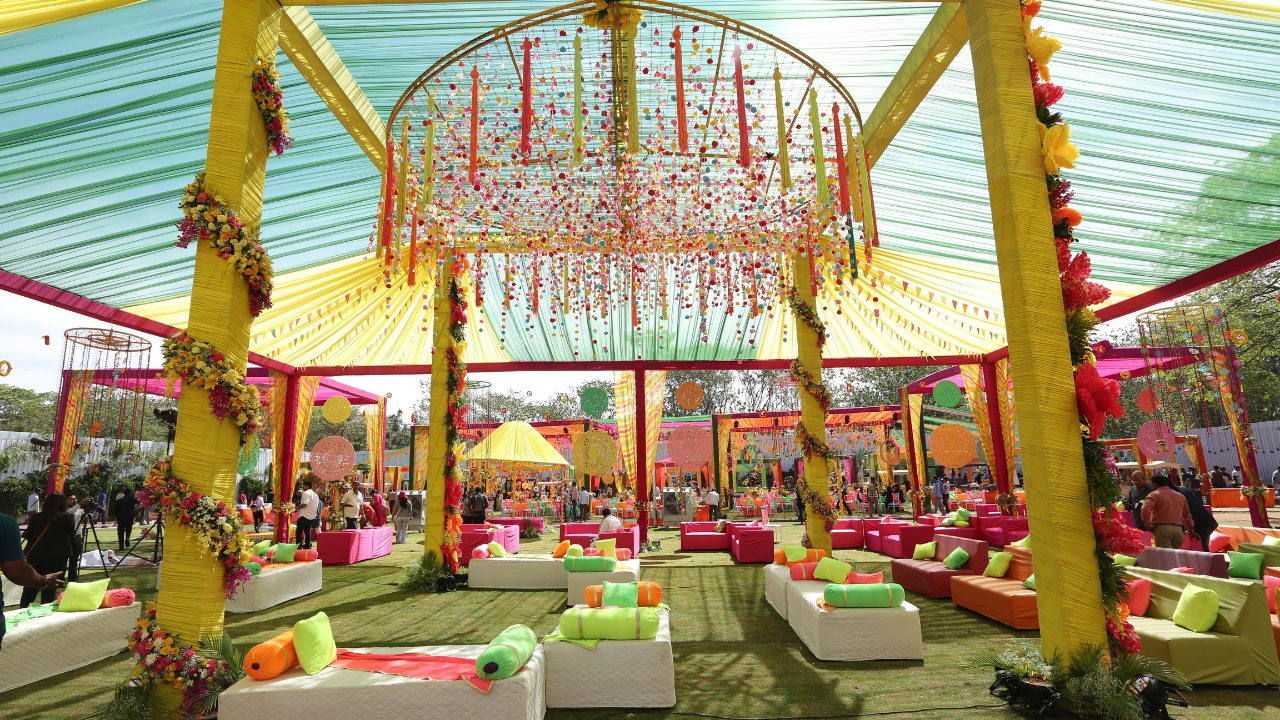
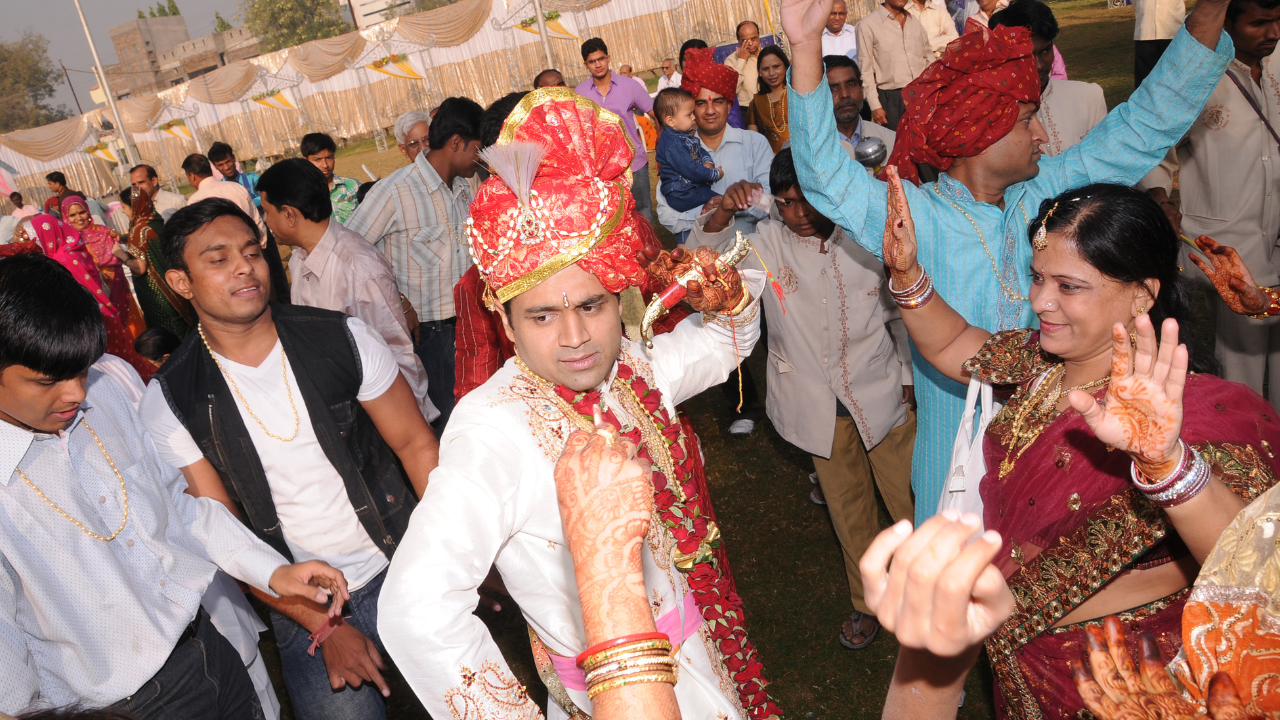
Indian weddings are typically celebrated over several days, with each event marking a different stage of the ceremony. These gatherings include rituals, meals, and social events that bring together extended families and friends. The extended timeline allows for deeper participation and creates a sense of celebration that goes beyond a single-day event.

4. The bride waiting at the ceremony space
4. The bride waiting at the ceremony space
© shutterstock / Tukaram

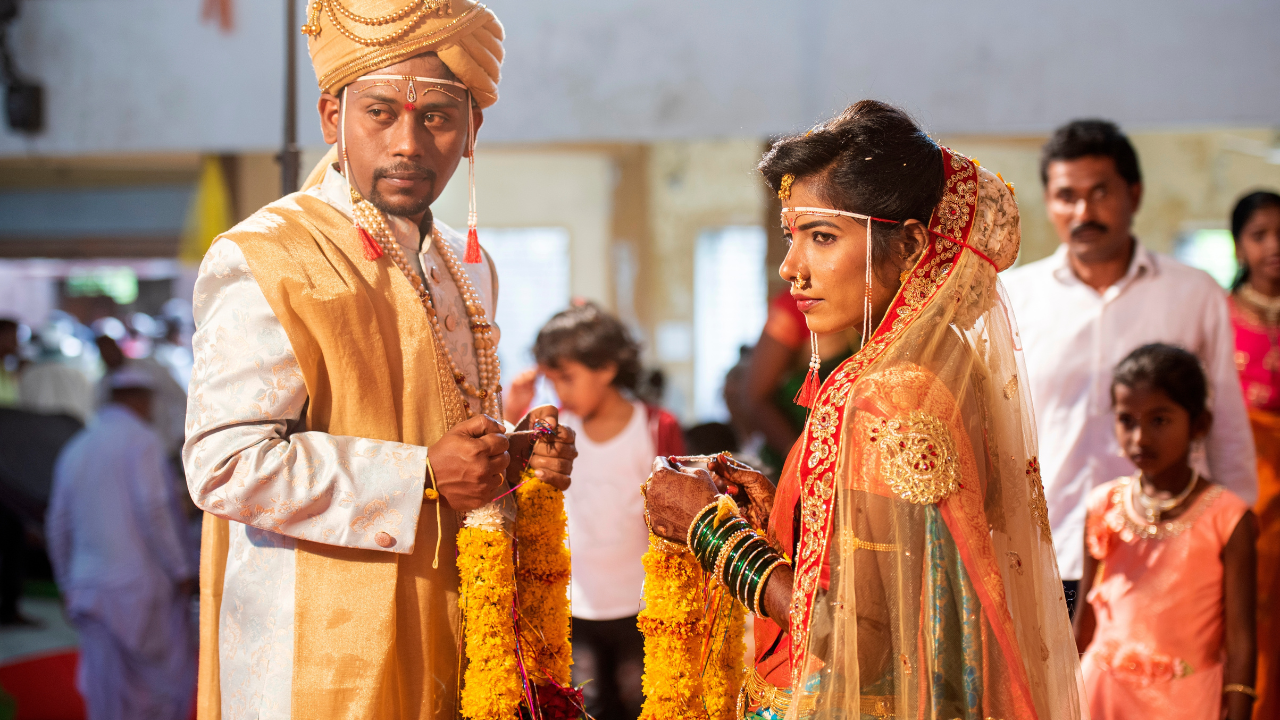
In many ceremonies, the bride waits at the designated wedding space while the groom arrives with his family. This moment builds anticipation and marks the formal beginning of the ceremony. It symbolizes the coming together of two families and sets the tone for the rituals that follow, highlighting the importance of tradition.

5. The bride’s detailed preparation

5. The bride’s detailed preparation
© shutterstock / Mayur_Mehta

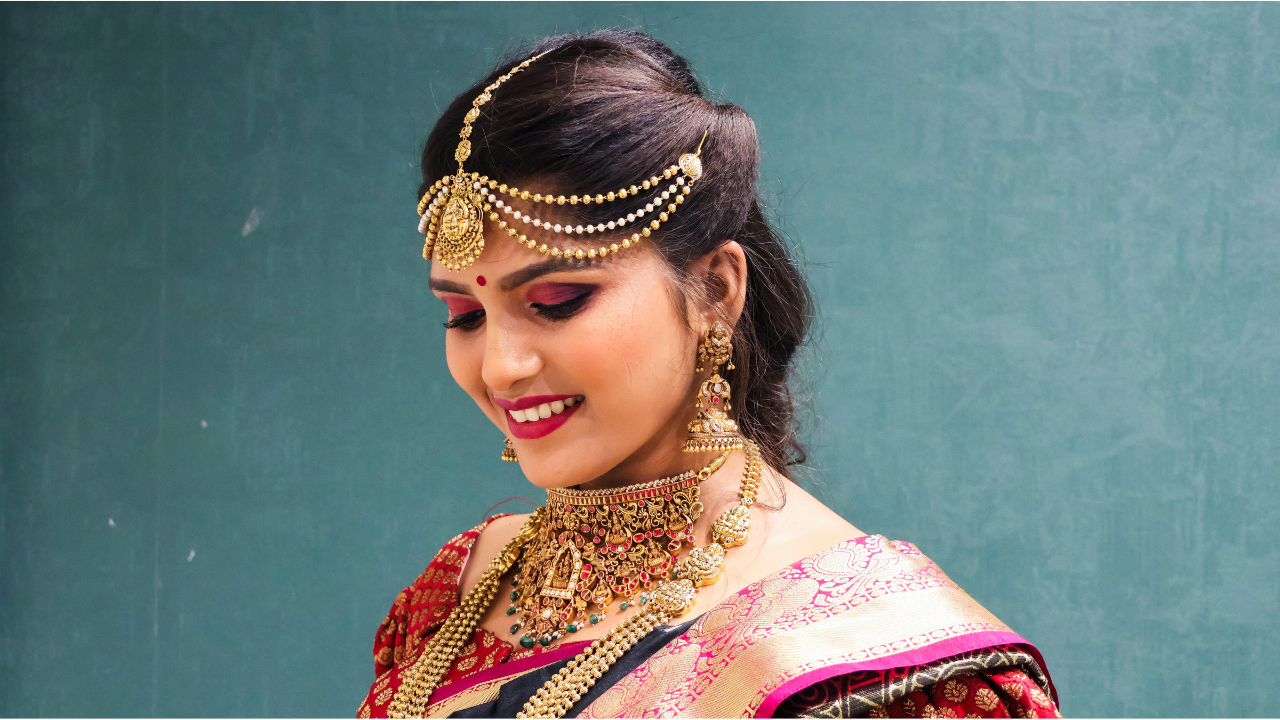
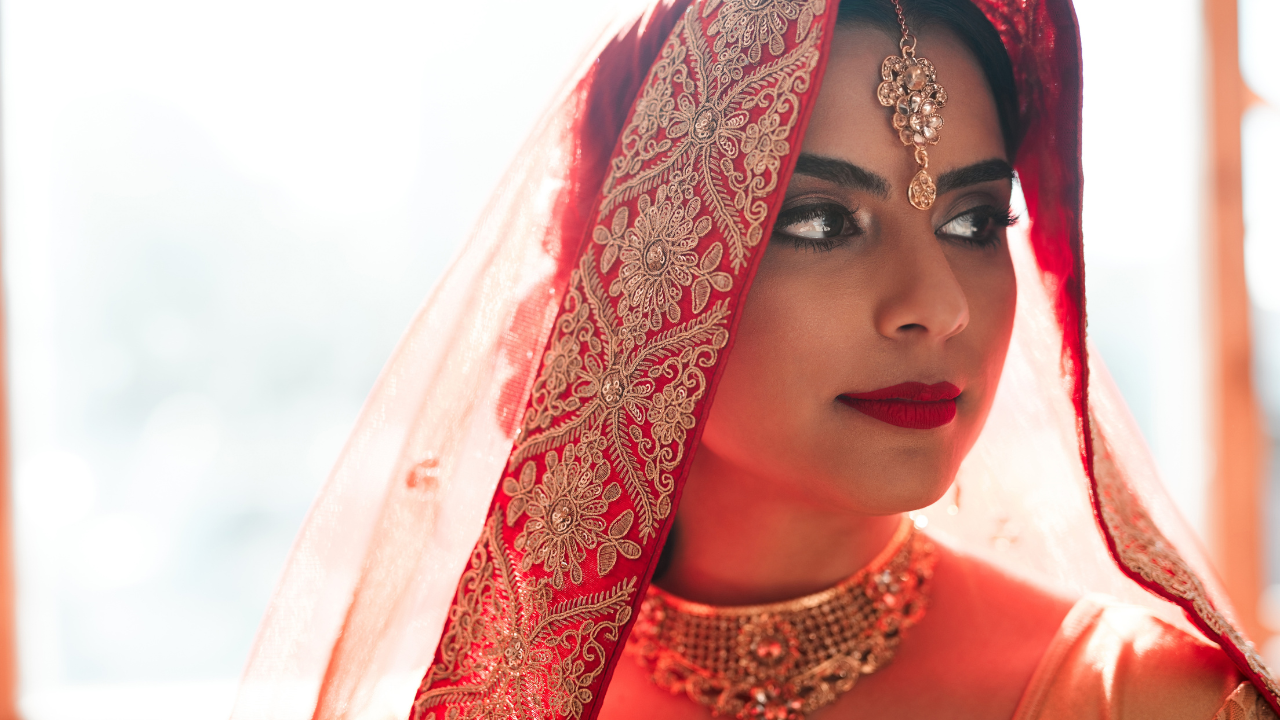
The bride’s preparation involves careful attention to attire, jewelry, and overall presentation. Every element is selected to reflect tradition, family values, and the importance of the occasion. The process itself is meaningful, as it represents the transition into married life and highlights the cultural emphasis on appearance and symbolism.

6. Choosing the wedding date

6. Choosing the wedding date
© shutterstock / Rudra Narayan Mitra

Wedding dates are often selected based on cultural beliefs, seasonal timing, or auspicious periods. Certain months are considered more favorable, and many families plan ceremonies around these times. This practice reflects the importance of timing in ensuring a positive and meaningful beginning to married life.

7. Jewelry as a symbol of tradition

7. Jewelry as a symbol of tradition
© shutterstock / Snehal Jeevan Pailkar

Jewelry plays a central role in Indian weddings, especially for the bride. Multiple pieces are worn together, creating a layered and detailed look. Beyond decoration, jewelry represents family heritage, prosperity, and blessings, making it an essential part of the ceremony and a reflection of cultural values.

8. Traditional bridal accessories

8. Traditional bridal accessories
© shutterstock / PeopleImages

Accessories such as nose rings and anklets are commonly worn as part of bridal attire. These items carry cultural meaning and are often included in traditional looks. They complete the outfit while connecting the bride to long-standing customs, adding both visual detail and symbolic importance.

9. The significance of red attire

9. The significance of red attire
© shutterstock / CRS PHOTO

Red is a traditional color for Indian bridal wear and is associated with prosperity, strength, and new beginnings. Brides often choose red or similar shades to reflect these meanings. The color plays an important role in the overall ceremony and represents hopes for a positive future.

10. Purification rituals before the ceremony
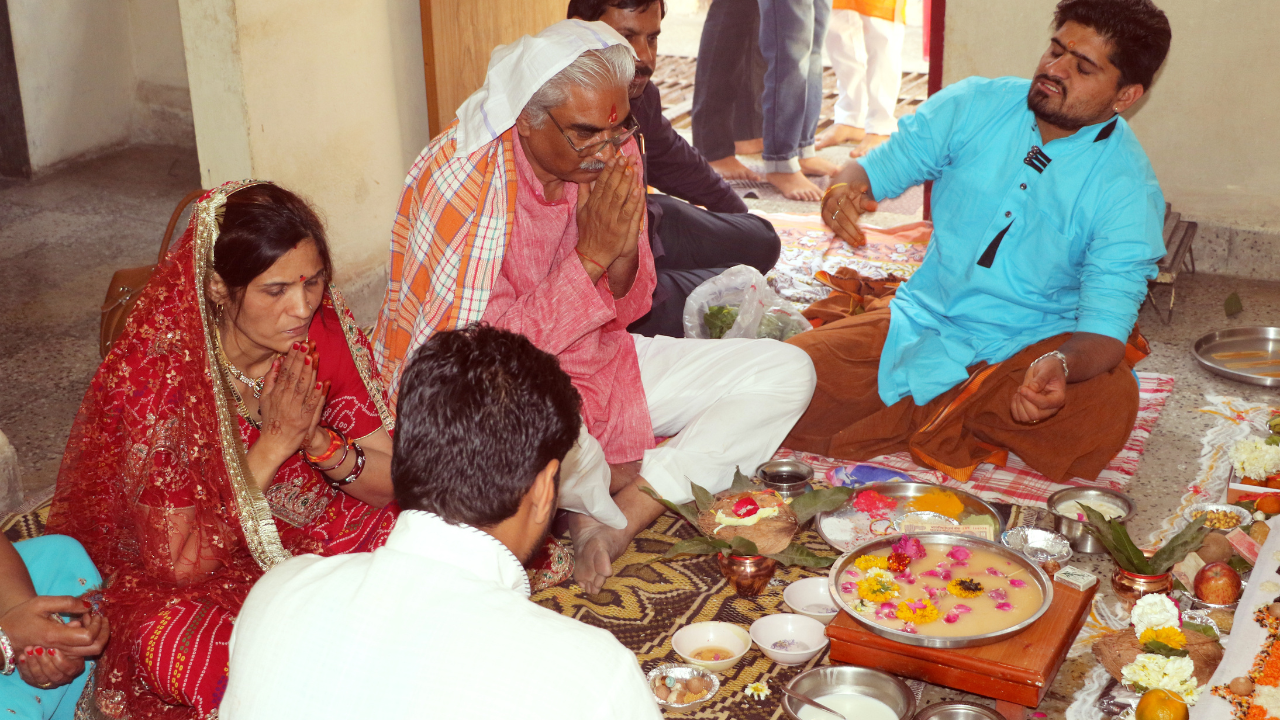
10. Purification rituals before the ceremony
© shutterstock / mdsharma

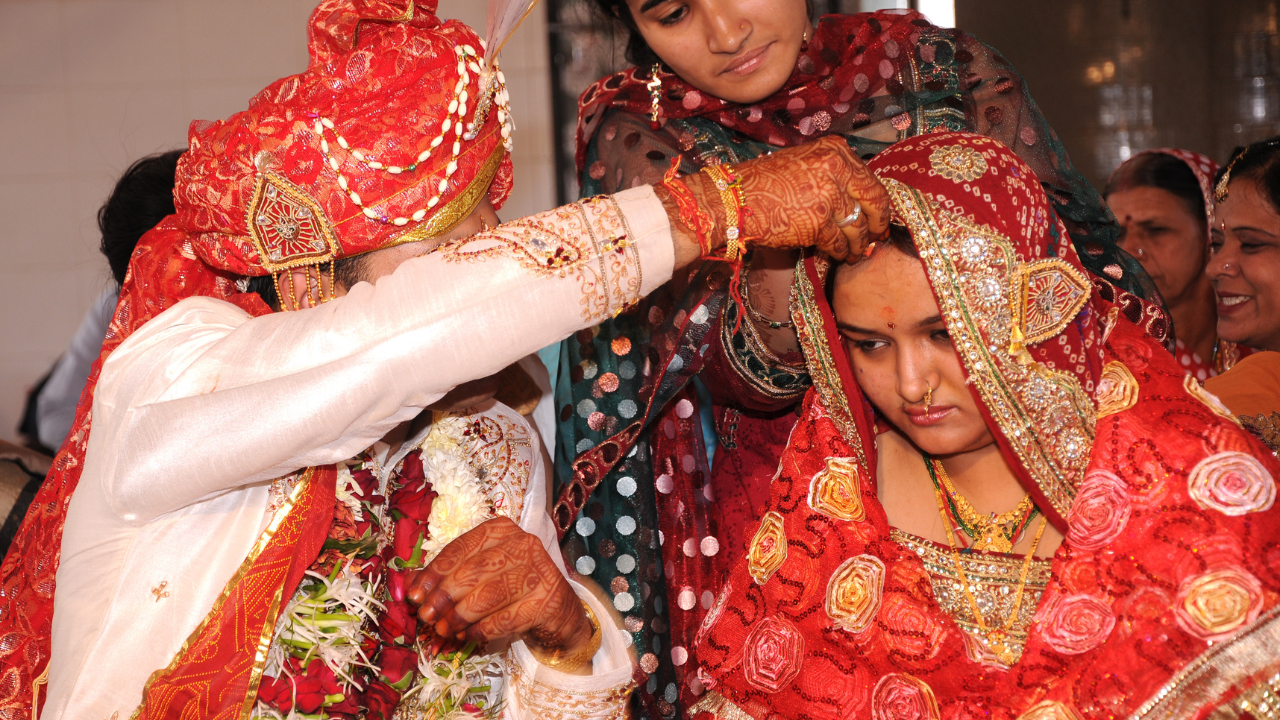
Before the wedding, both the bride and groom take part in purification rituals that involve symbolic cleansing. These rituals are often accompanied by prayers or chants and are meant to prepare them spiritually. The process marks a transition into marriage and emphasizes renewal and readiness.

11. The groom’s ceremonial arrival

11. The groom’s ceremonial arrival
© shutterstock / CRS PHOTO

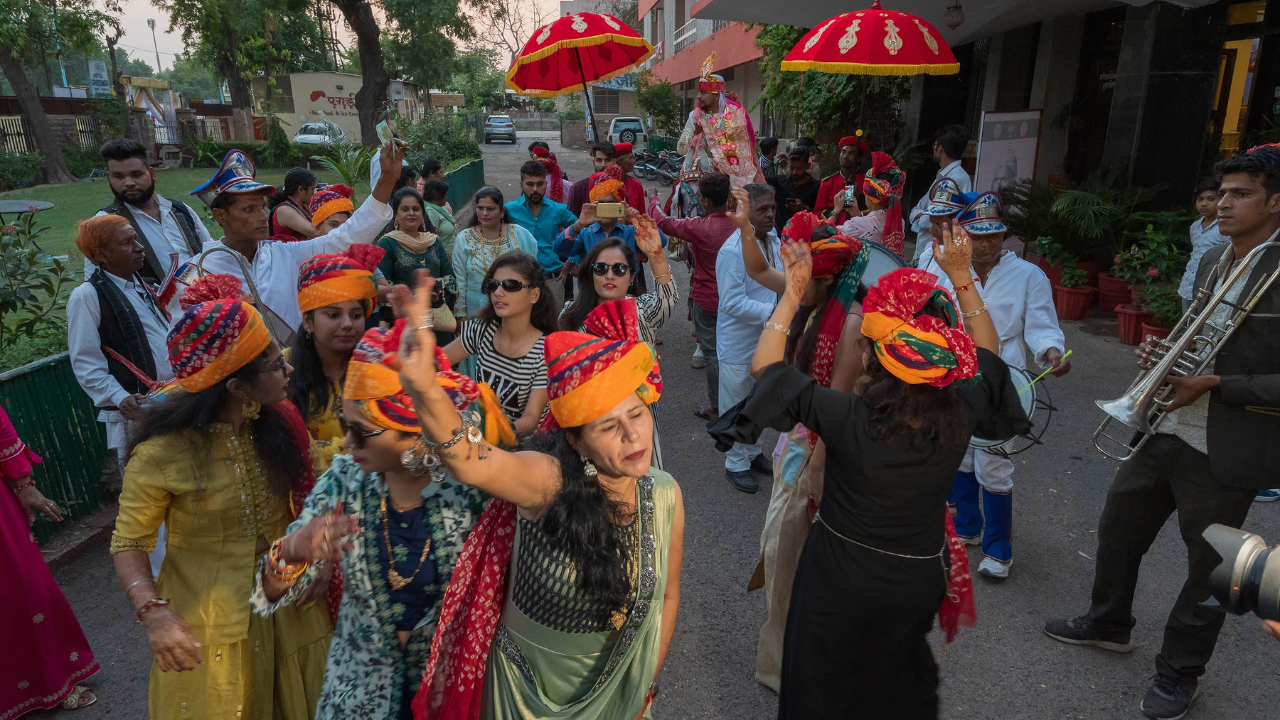
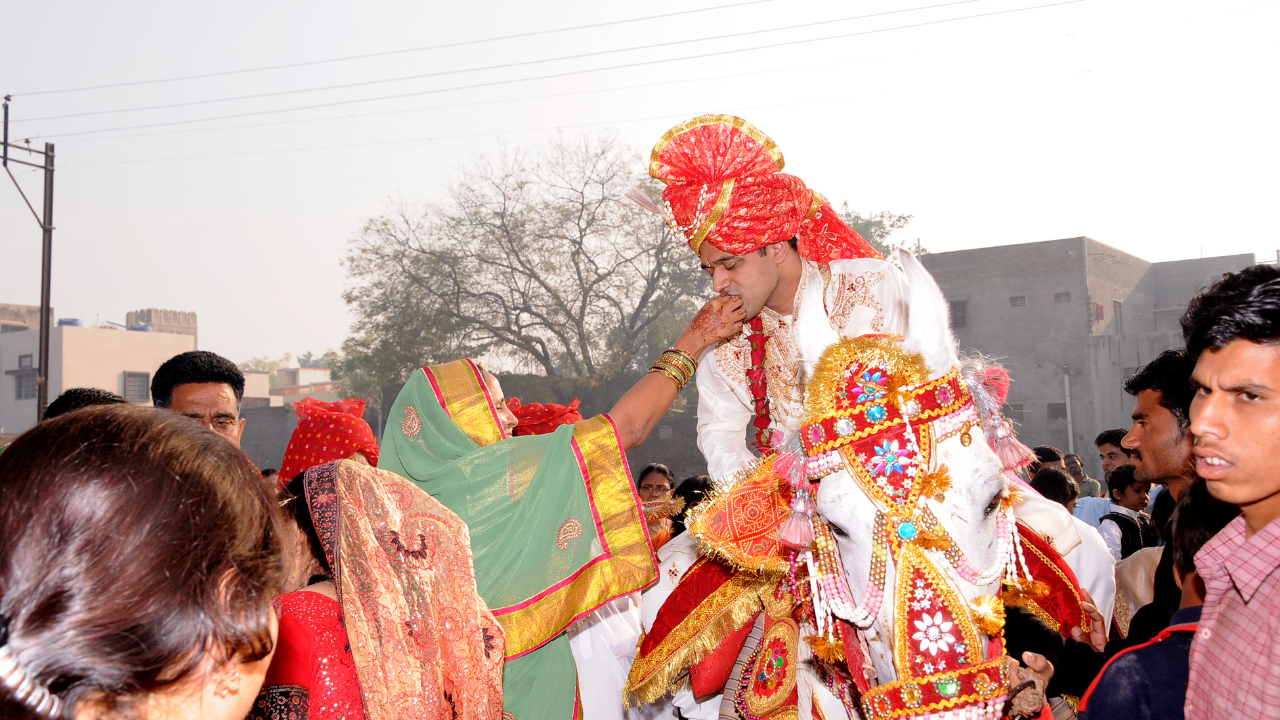
The groom’s arrival is often a lively and celebratory event. He is accompanied by family members, music, and traditional attire. This procession marks the beginning of the ceremony and highlights the importance of the groom’s role while creating a festive atmosphere.

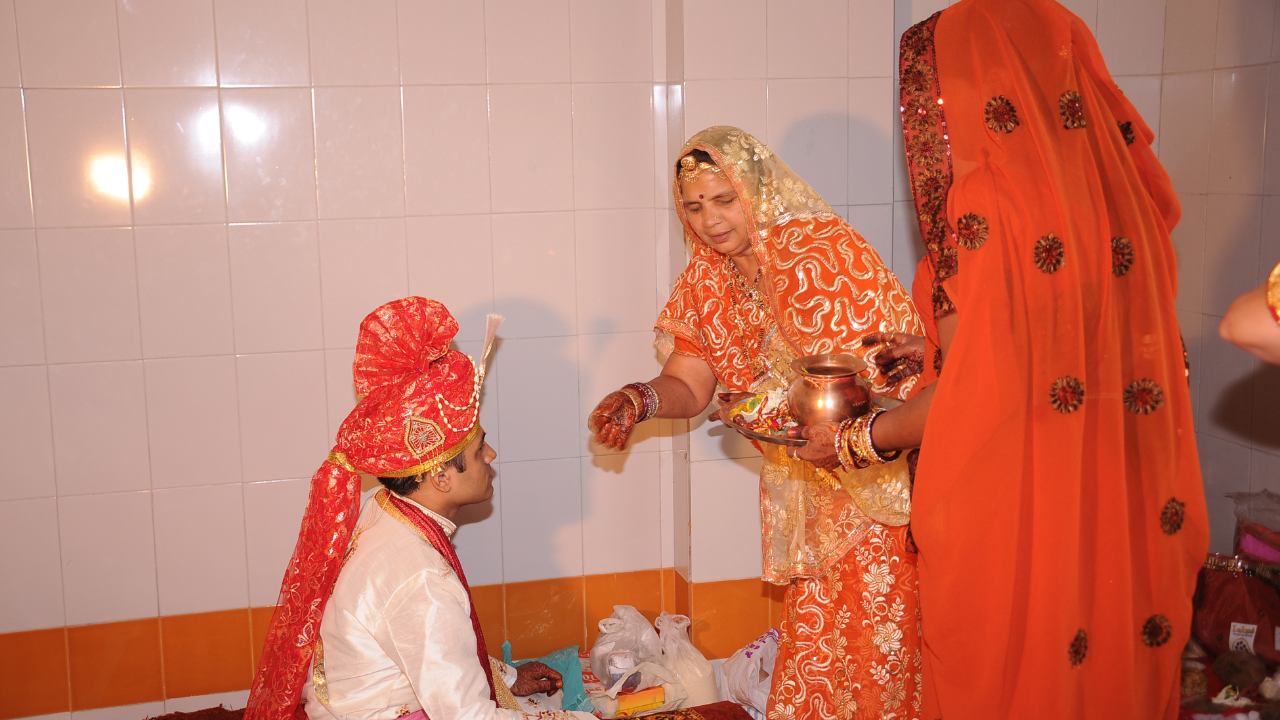
12. Welcoming the groom

12. Welcoming the groom
© shutterstock / CRS PHOTO

Once the groom arrives at the wedding venue, the bride’s family formally welcomes him through a series of respectful gestures. This may include rituals performed at the entrance, symbolizing acceptance into the family. The moment is both ceremonial and emotional, as it marks the beginning of the union between two households and sets a warm, respectful tone for the rest of the celebration.

Comments (0)

No comments yet. Be the first to share your thoughts!

Leave a Reply