The 1970s were a decade of bold self-expression and experimentation in fashion. From disco floors to bohemian gatherings, clothing became a canvas for individuality. Designers embraced vibrant colors, flowing fabrics, and dramatic silhouettes, creating looks that were both expressive and functional. This article explores 10 key trends that defined the decade, showing how they continue to inspire modern fashion.
1. Flared denim and wide-leg trousers
© Shutterstock / PeopleImages
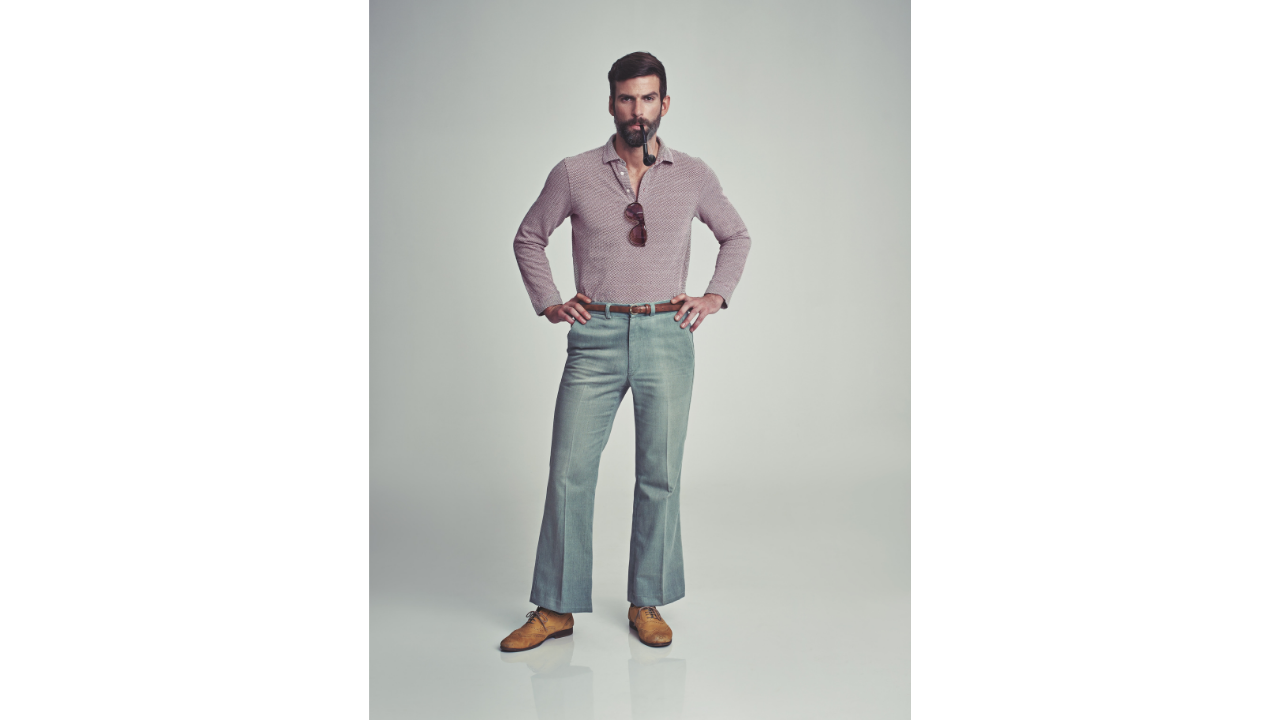
Flared jeans and wide-leg trousers became a defining look of 1970s fashion, embodying the decade’s love for bold silhouettes and self-expression. Originally inspired by naval uniforms, these pants widened gradually from the knee, creating a dramatic silhouette that balanced fitted hips and thighs. Many were customized with embroidery, patches, or added panels to emphasize the flair. Flared denim became a cultural symbol, worn by rock stars, students, and everyday people alike. Paired with tucked-in shirts, cropped tops, or fitted blouses, they emphasized a high waistline while offering freedom of movement. This trend blended practicality with expressive style, making it an enduring icon of the era.
2. Elevated platform footwear
© Shutterstock / IvaFoto
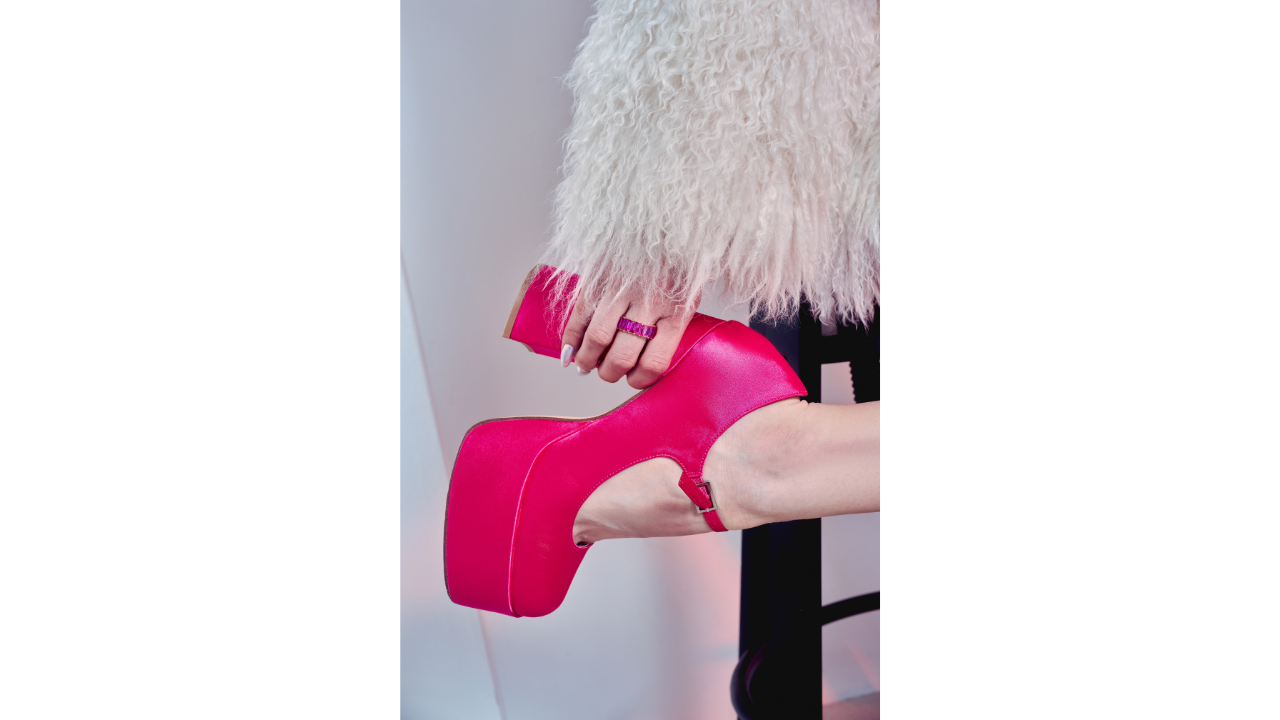
Platform shoes were a defining statement of the decade, adding height and theatrical flair to any outfit. From chunky wooden clogs to glittering disco heels, platforms were a unifying accessory across men’s and women’s fashion. They complemented flared trousers, allowing hems to fall without dragging. Designers experimented with bold colors, luxurious textures like velvet, and intricate detailing to make platforms a centerpiece rather than an accessory. While walking in them required care, they became synonymous with confidence and style, perfectly reflecting the playful energy of the disco era.
3. The versatile wrap dress
© Shutterstock / triocean
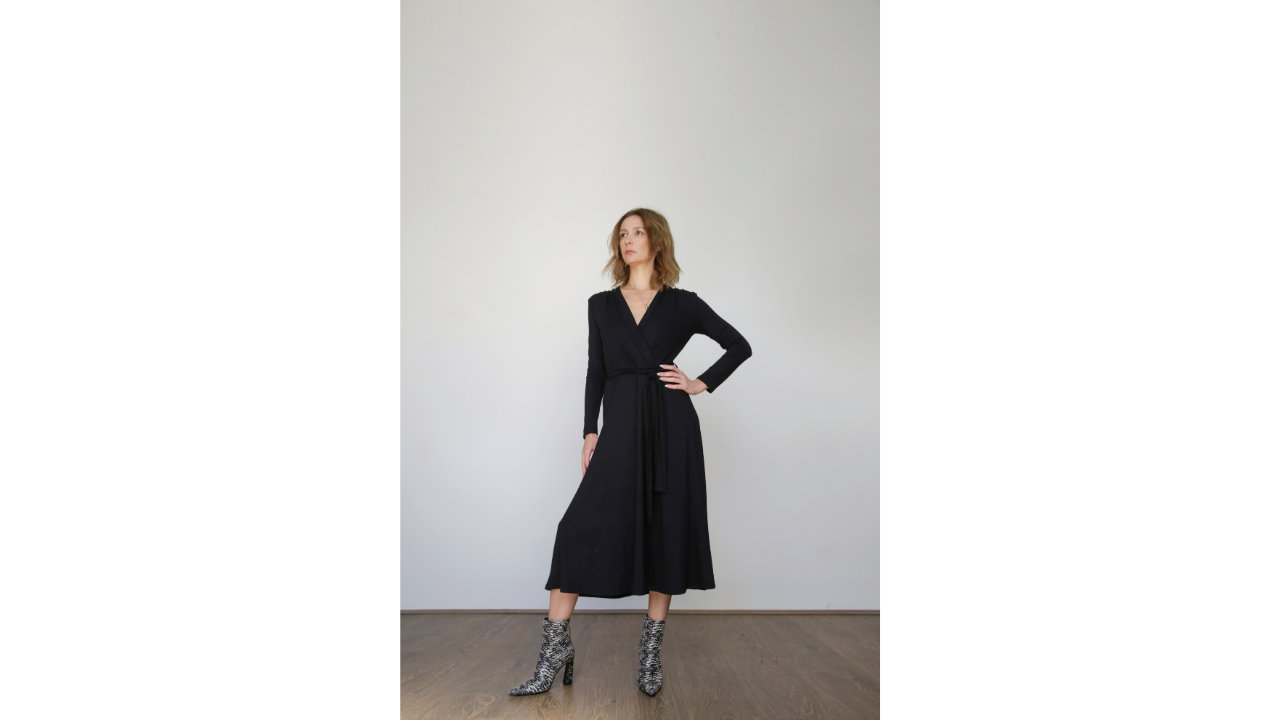
Introduced by Diane von Furstenberg, the wrap dress became a wardrobe essential for women. Its jersey fabric and adjustable design made it flattering on nearly every body type, while offering practical comfort for both professional and social settings. Bold prints, geometric patterns, and floral motifs were popular, showcasing how a simple silhouette could convey personality and sophistication. The wrap dress represented a shift toward functional, yet stylish attire, embodying the liberation and independence of the modern woman in the 1970s.
4. Psychedelic prints and exaggerated collars
© Pexels / gerardo jaasiel
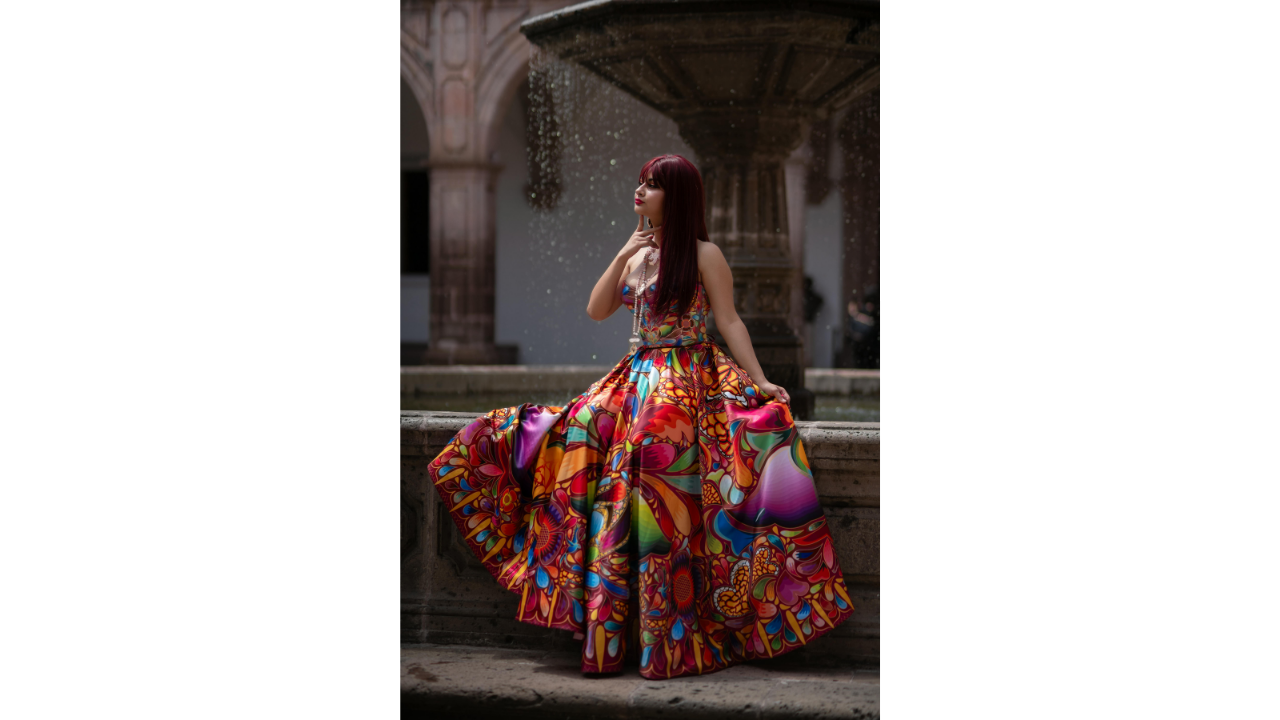
The 1970s embraced bold, eye-catching patterns. Psychedelic swirls, oversized florals, and paisley designs dominated shirts and blouses, often paired with the wide “disco collar” that extended beyond lapels. Men and women alike experimented with bright shades like mustard, avocado, and burnt orange. These prints allowed wearers to stand out and express their personality. Paired with tailored suits or casual ensembles, they created dynamic, visually striking outfits. The bold patterns reflected the decade’s playful approach to self-expression and individuality.
5. Bohemian-inspired silhouettes
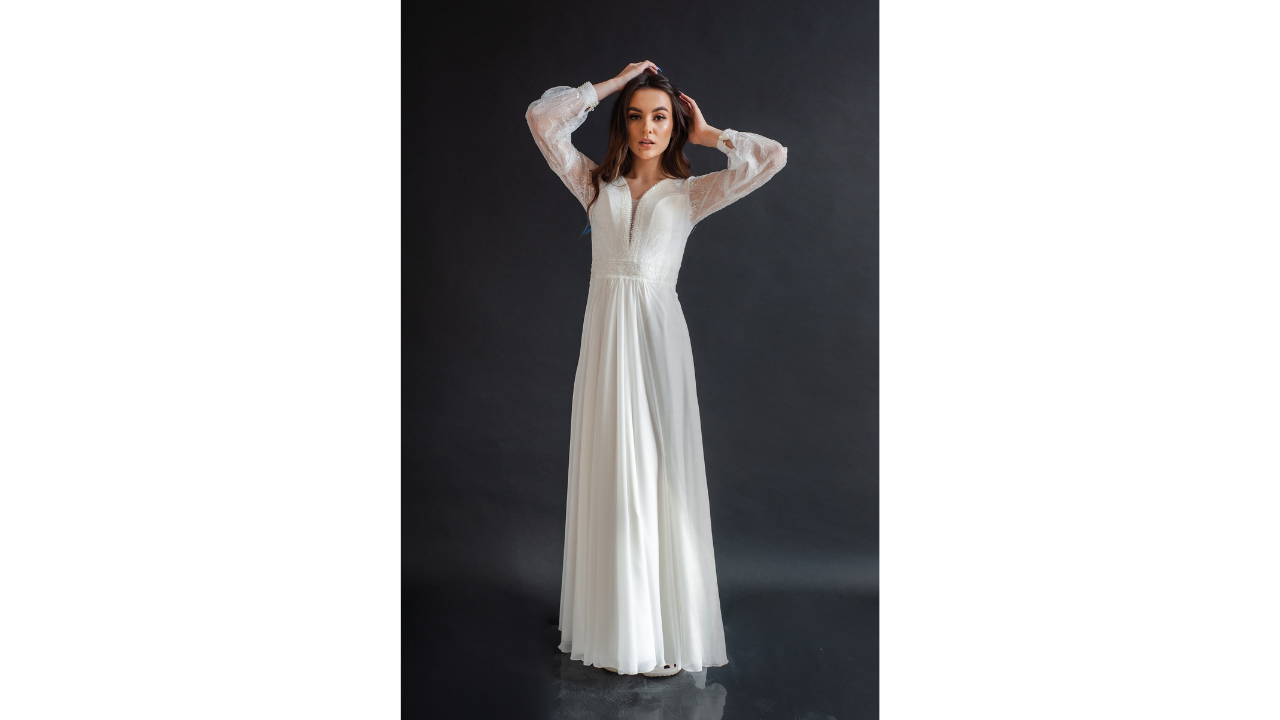
© Shutterstock / AlexanderLipko
Boho chic was a celebration of freedom and artistic expression. Maxi dresses, peasant blouses, fringed vests, and flowing skirts became hallmarks of this style. Natural fabrics like cotton, linen, and suede emphasized comfort and earthiness. Accessories played a significant role, from layered turquoise jewelry to floppy hats and woven bags. The look combined soft, romantic aesthetics with practicality, reflecting the counterculture’s emphasis on nature, handcrafted detail, and personal expression.
6. The relaxed leisure suit
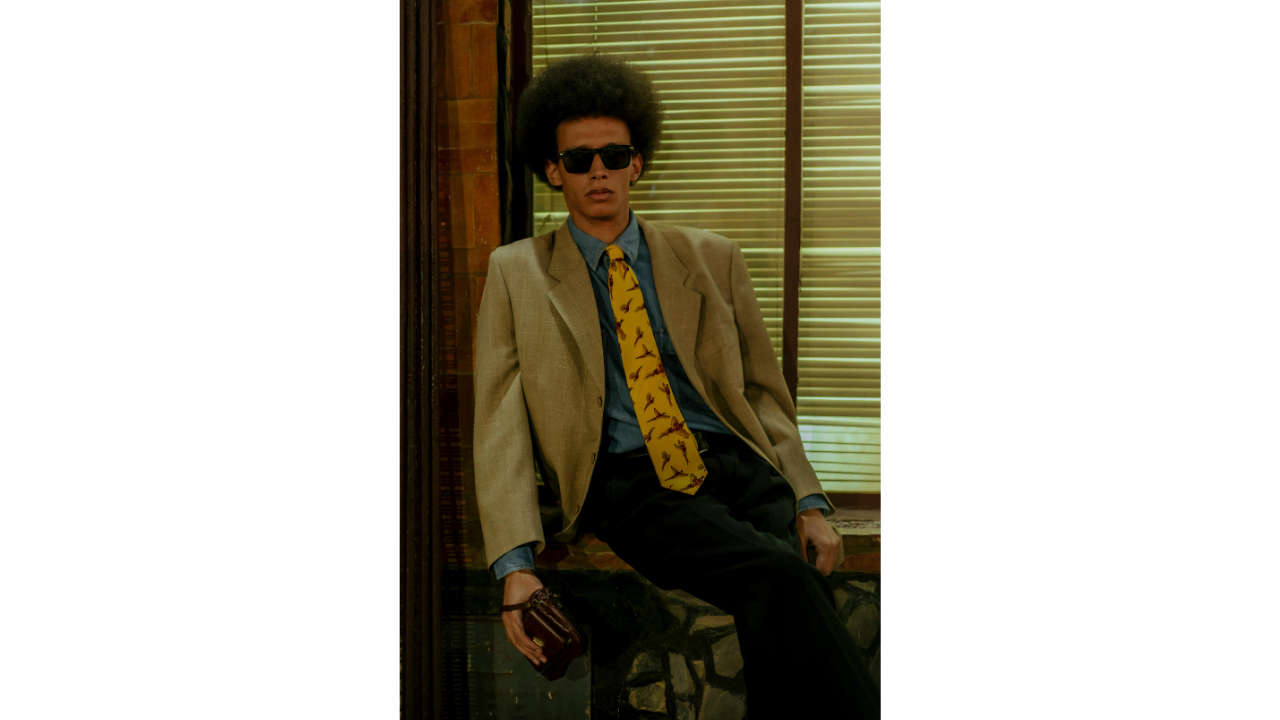
© Pexels / taken by great
The leisure suit was a 1970s innovation in men’s fashion, offering a casual alternative to traditional tailoring. Often made from polyester or lightweight synthetic fabrics, it combined a relaxed jacket with matching trousers for comfort and ease of movement. Worn for social events, work, or casual outings, leisure suits allowed men to experiment with pastel colors, bold patterns, and softer textures. This trend represented a cultural shift toward less rigid dress codes and an embrace of approachable, stylish clothing.
7. Handcrafted crochet and knitwear
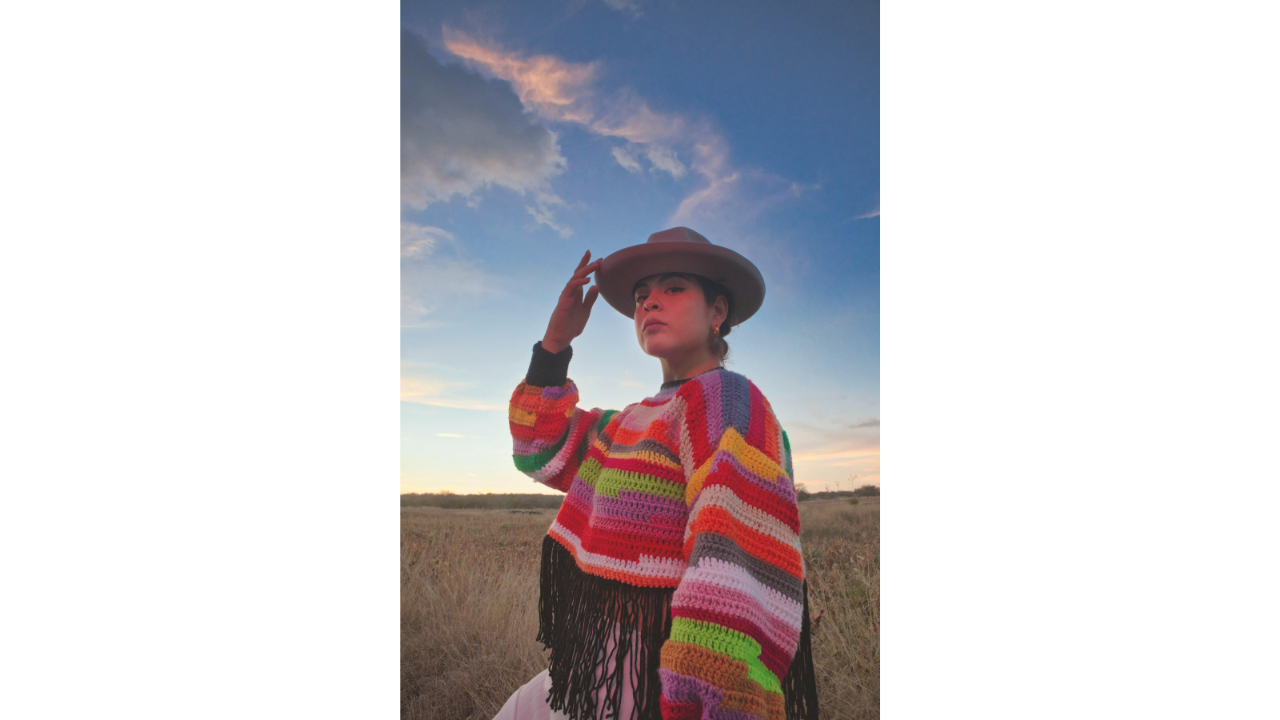
© Pexels / ramon hernandez
DIY fashion flourished during the 1970s, with crochet and knit garments becoming highly popular. Granny-square vests, halter tops, and skirts showcased artisanal skills, adding texture and authenticity to everyday outfits. Often paired with denim or simple tops, these pieces reflected the decade’s “back-to-the-land” ethos. Warm earthy colors like reds, browns, and oranges complemented the handmade feel, emphasizing individuality and craftsmanship over mass-produced fashion.
8. Short and daring hot pants
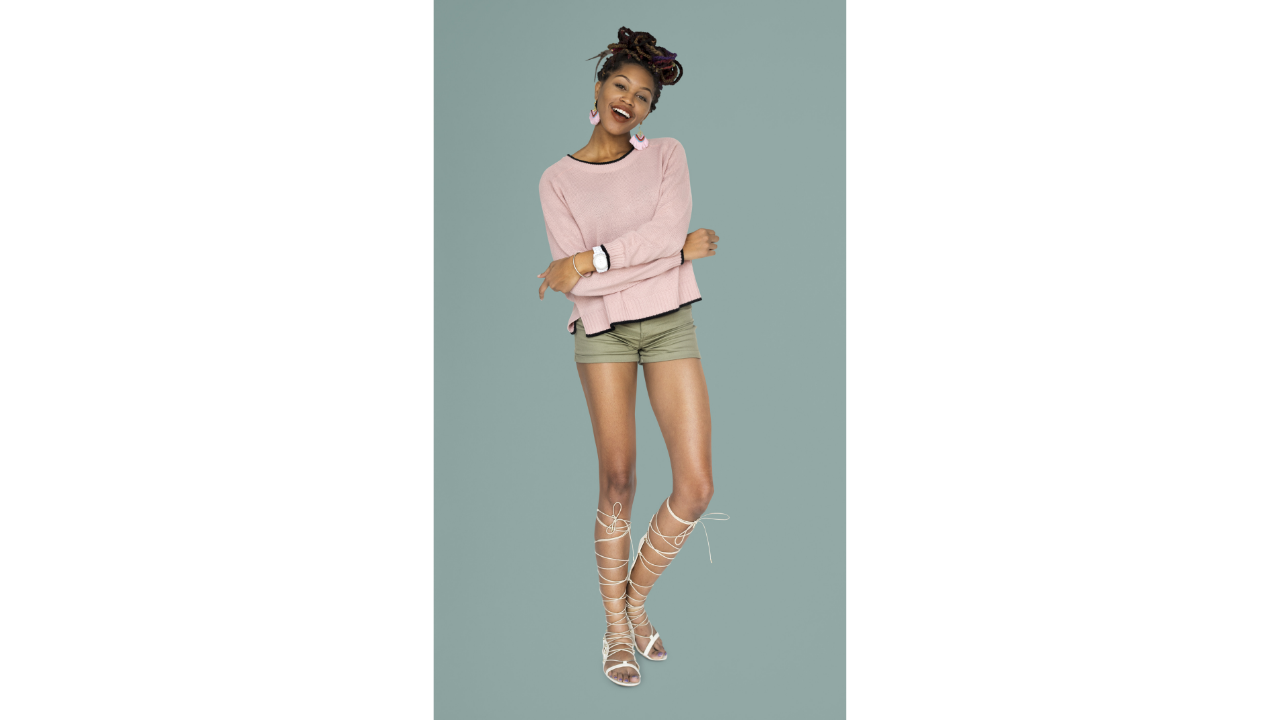
© Shutterstock / Rawpixel.com
Hot pants brought boldness and playfulness to 1970s fashion. Made from fabrics such as velvet, satin, or leather, they offered a daring silhouette that emphasized movement and legs. Often paired with platforms or tall boots, they created a striking, elongated look. Though controversial, hot pants symbolized freedom and experimentation. From disco clubs to select workplace uniforms, they highlighted the era’s willingness to challenge traditional dress codes and embrace a new sense of confidence and fun.
9. Classic and practical turtlenecks
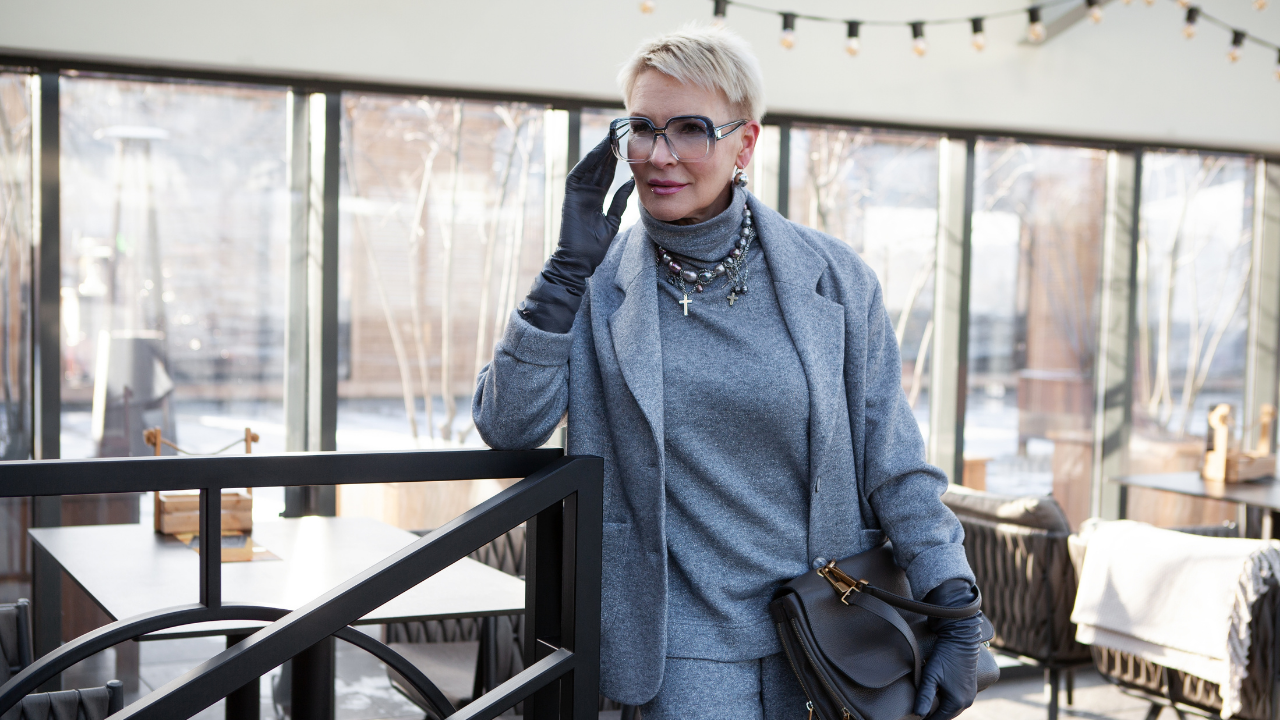
© Shutterstock / Anna Zhukkova
Turtlenecks became a staple of versatile 1970s wardrobes. Worn under blazers, leather jackets, or pinafore dresses, they offered a streamlined silhouette that worked for both casual and more formal occasions. Available in deep, saturated shades like burgundy, forest green, and navy, turtlenecks were an understated alternative to bold collars and patterns. They provided warmth, style, and layering versatility, bridging the gap between mod influences of the late 1960s and disco-inspired trends.
10. Shimmering disco fabrics

© Shutterstock / gpointstudio
By the late 1970s, nightlife influenced fashion dramatically. Sequins, satin, metallic fabrics, and Lycra became wardrobe staples for evening wear. Halter tops, wrap skirts, and fitted tops allowed movement while reflecting light in dance halls and clubs. This trend emphasized glamour, theatricality, and self-expression. Combining comfort with bold visual impact, these fabrics captured the excitement of Studio 54-era nightlife, rounding out a decade that celebrated both earthy bohemian looks and high-energy, glitzy styles.

Comments (0)
No comments yet. Be the first to share your thoughts!