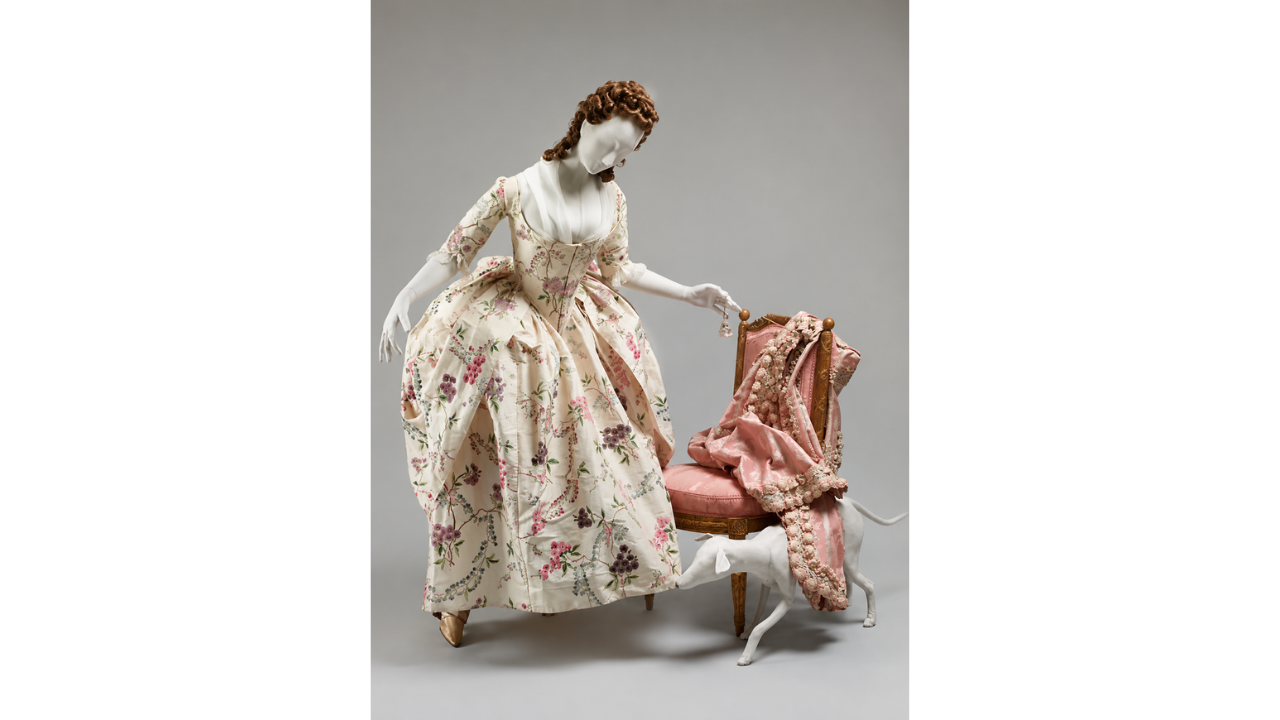
The Victorian era, named for Queen Victoria (1837–1901), was defined by opulence, craftsmanship, and innovation in fashion. Women’s gowns combined satin, lace, pearls, and intricate pleats to express refinement and social standing. Many of these garments survive in museums today, offering a glimpse into the artistry of 19th-century couture. From formal evening wear to casual daytime ensembles, the following 21 gowns showcase the era’s elegance and creativity.
1. Empress Eugénie’s silk evening bodice
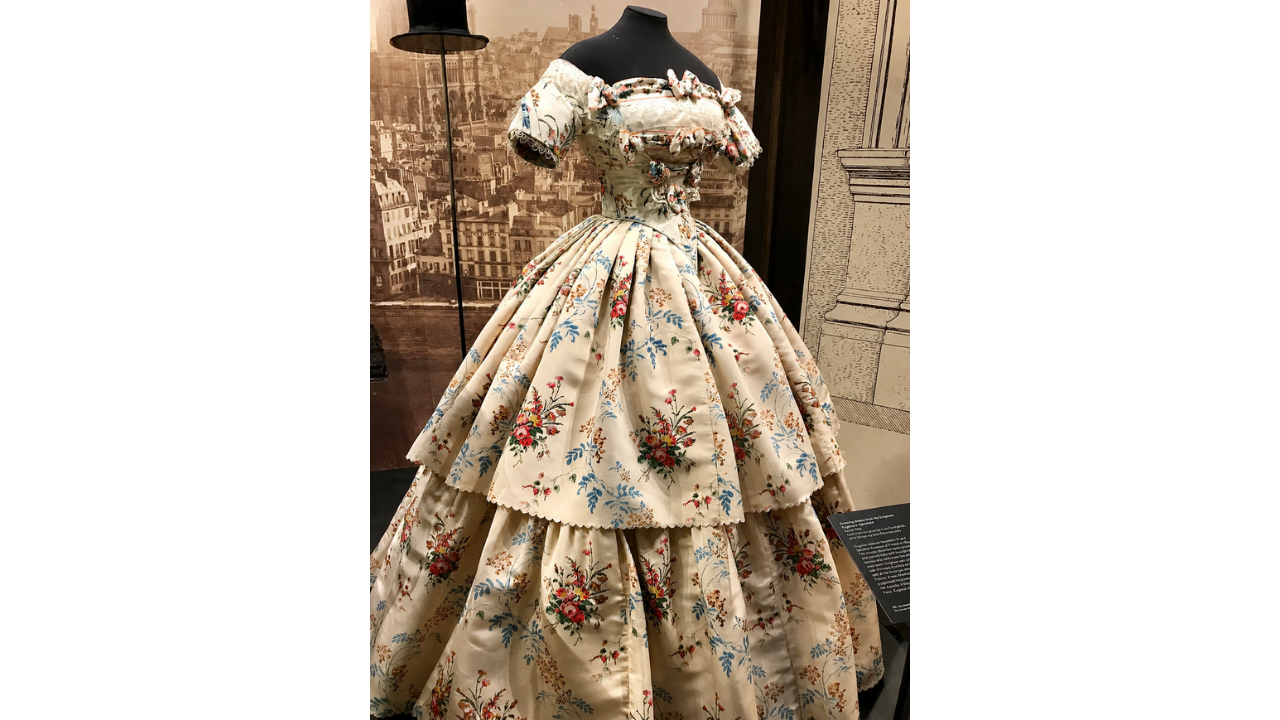
Now at the Victoria and Albert Museum, this ensemble from around 1855 pairs a silk bodice with a replica skirt. The chinoiserie-inspired silks reflect the French Empress’s preference for refined textures and luxurious finishes.
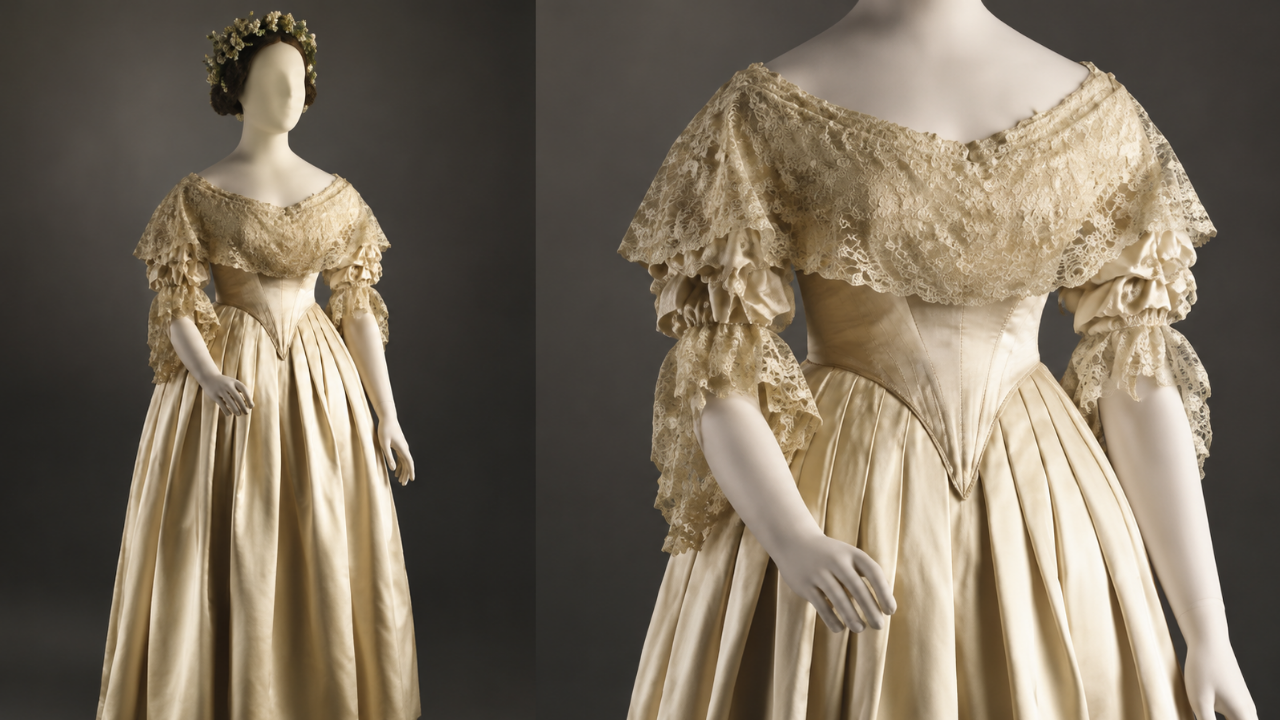
2. Queen Victoria’s wedding dress
Queen Victoria married Prince Albert in 1840 in an ivory satin gown trimmed with Devon lace. This historic dress, displayed at Kensington Palace, influenced bridal fashion for generations with its combination of purity and delicate craftsmanship.
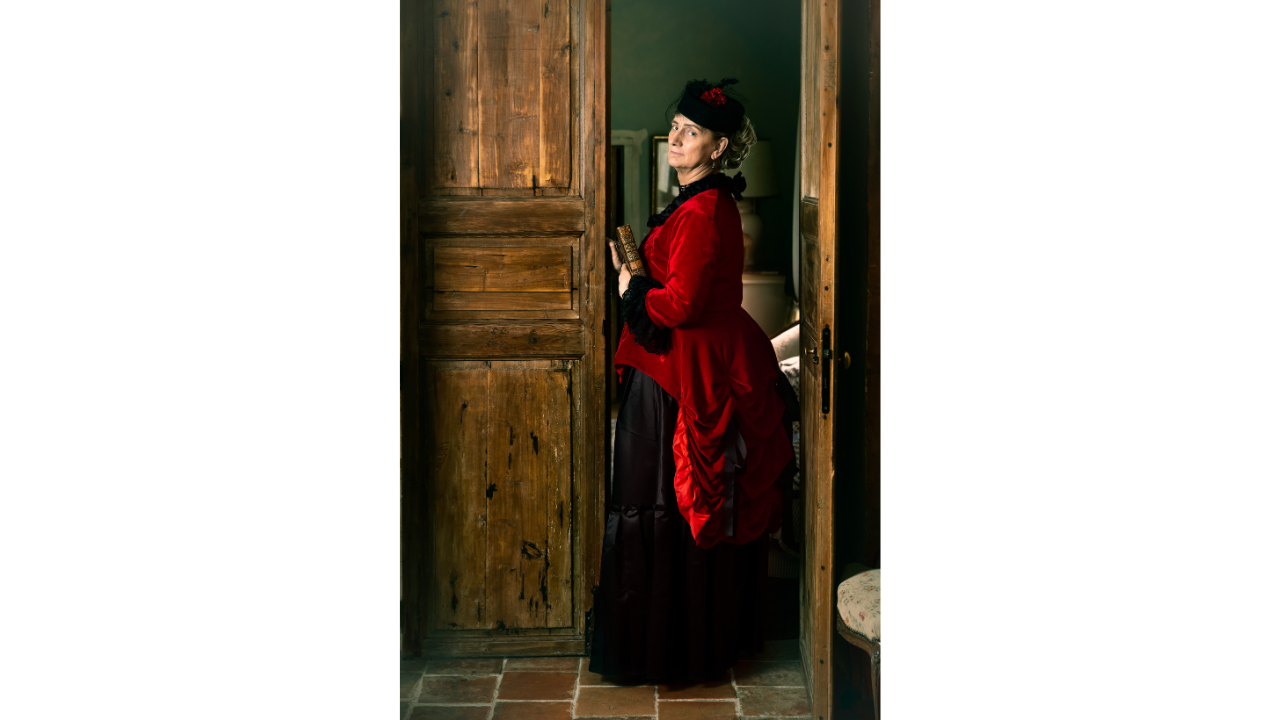
3. Bustle dress of the 1870s
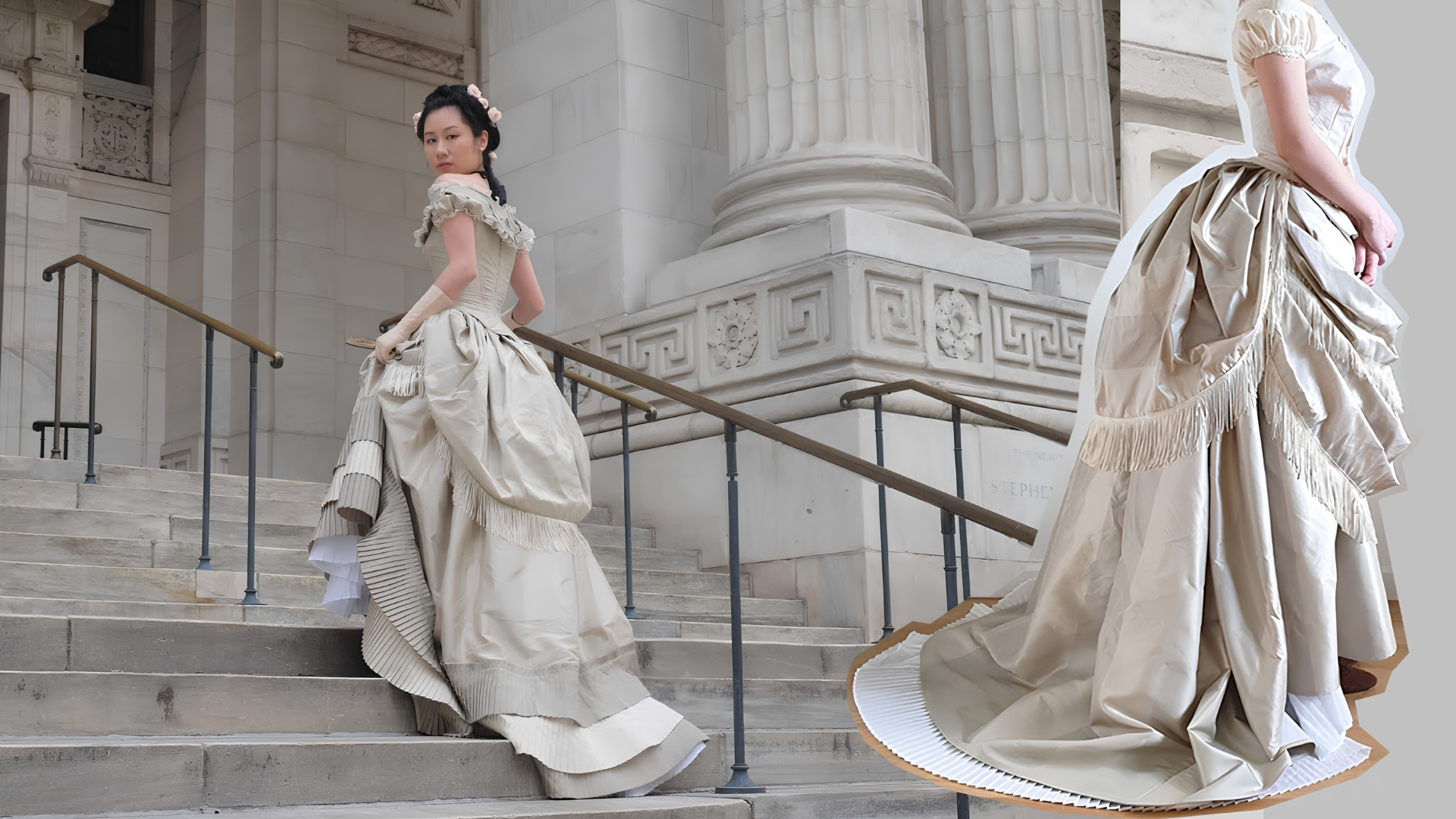
Victorian bustle dresses emphasized a sculptural back silhouette. Heavy silks and layered petticoats created the iconic “wasp waist,” an enduring symbol of 19th-century feminine fashion, preserved today at the Victoria and Albert Museum.
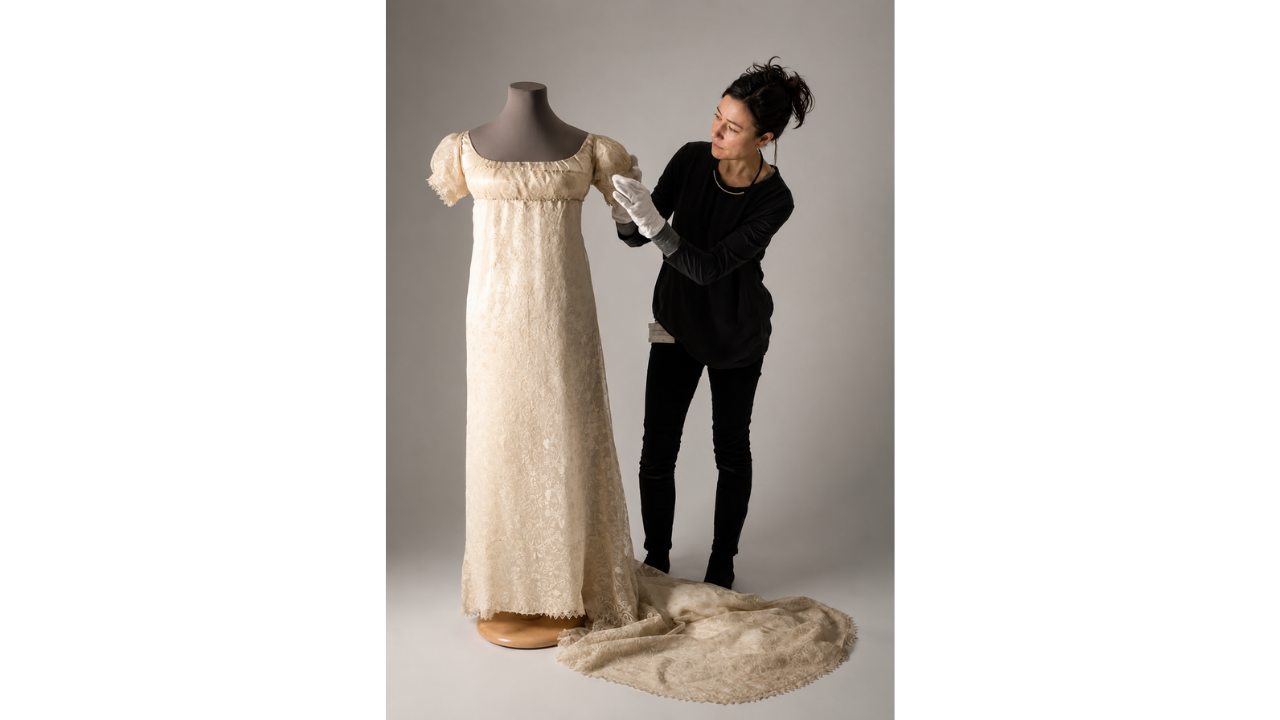
4. Regency Empire gown
Early 19th-century Britain favored high waistlines and light fabrics. Empire gowns, often made from muslin or fine silk, featured flowing lines and simple silhouettes, offering grace and ease before the ornate later Victorian styles.
5. Empress Elisabeth of Austria’s wedding gown
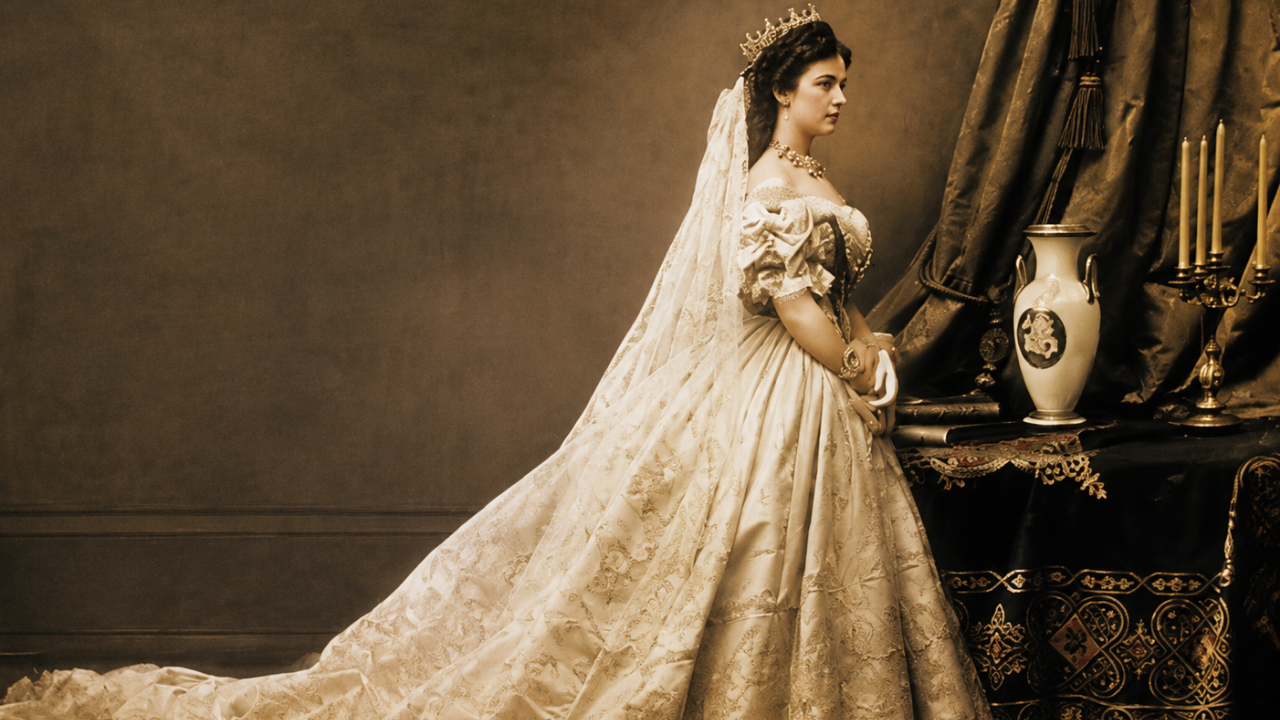
Elisabeth’s wedding gown, first worn in 1854, is partially preserved through its train at Vienna’s Imperial Carriage Museum. Digital reconstruction of portraits has helped recreate their full grandeur, blending historical research with textile preservation.
6. Princess Charlotte’s wedding ensemble
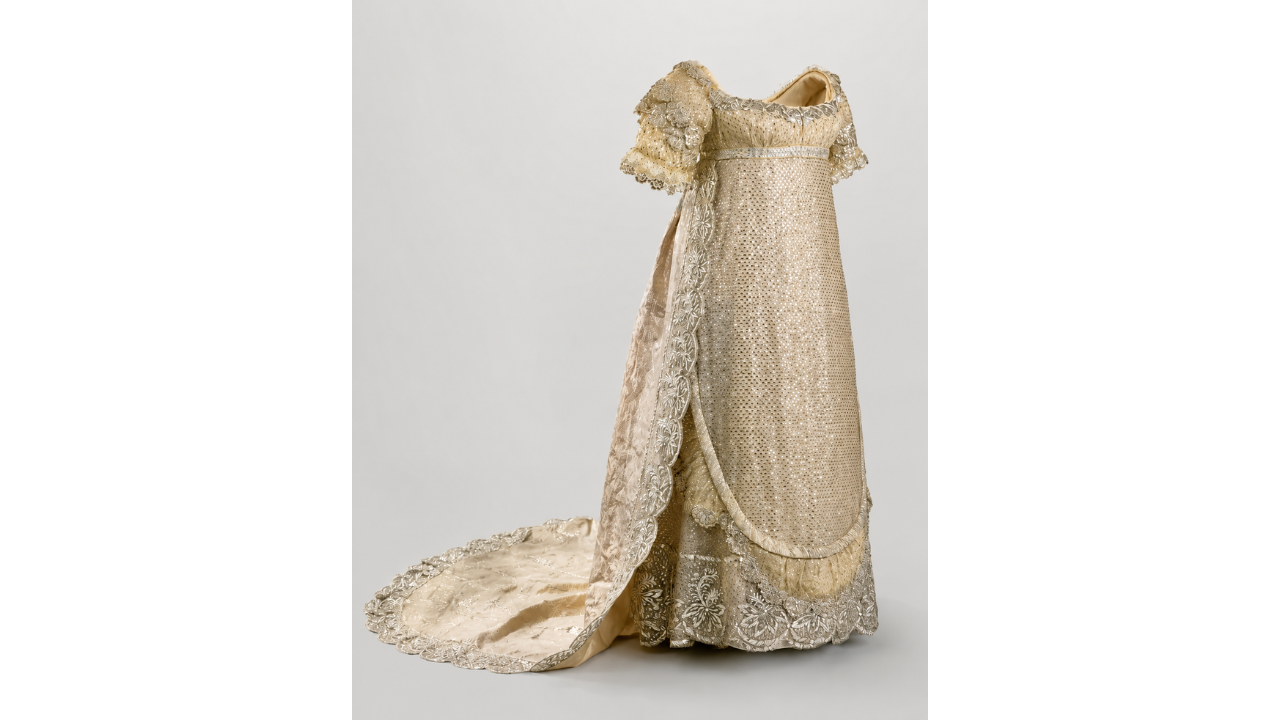
Princess Charlotte’s 1816 wedding dress is a rare survivor of Georgian craftsmanship. Made of white silk satin with silver lamé embroidery, the dress featured Brussels lace and a six-foot diamond-encrusted train, now held by Historic Royal Palaces.
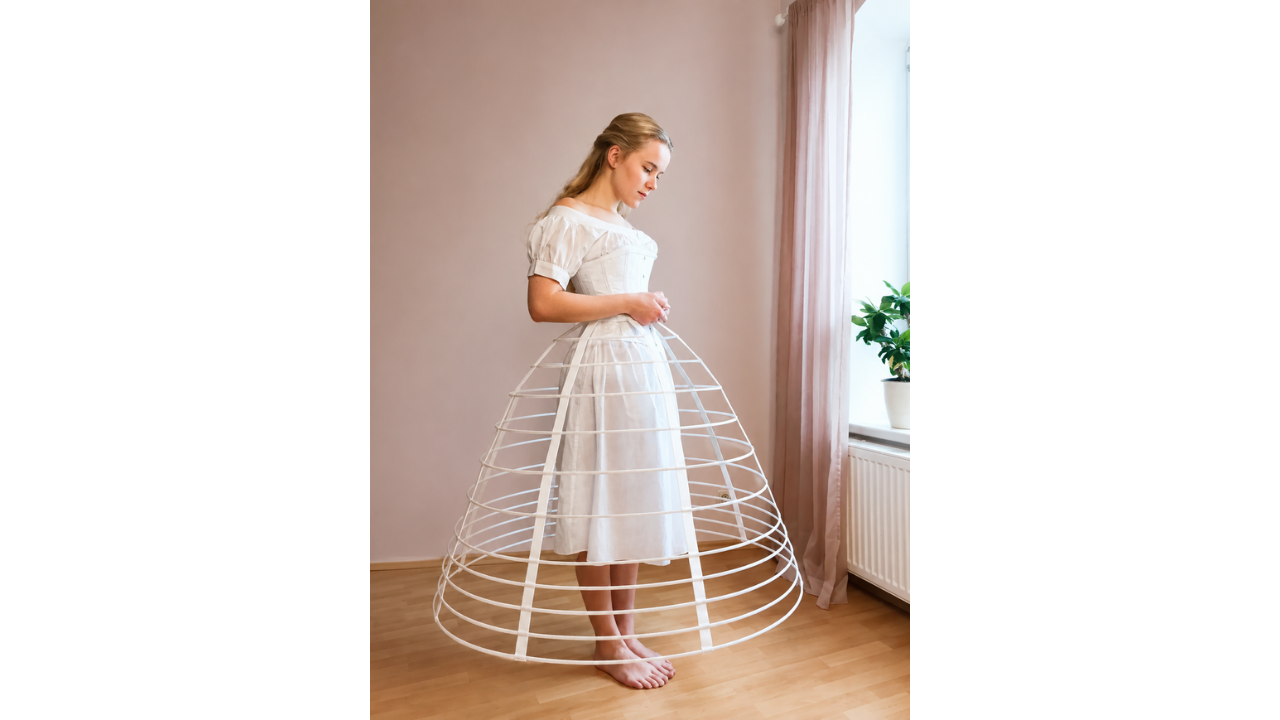
7. Cage crinoline
The crinoline of the 1850s used steel hoops to create dramatic skirt volumes. Parisian designs shimmered with silk and velvet trims, demonstrating the era’s fascination with exaggerated silhouettes and structured elegance.
8. Polonaise gown revival
Late 19th-century polonaise gowns, displayed at the Victoria and Albert Museum, featured draped overskirts revealing contrasting underskirts. This style reflected a renewed interest in Rococo aesthetics combined with contemporary bustle fashions.
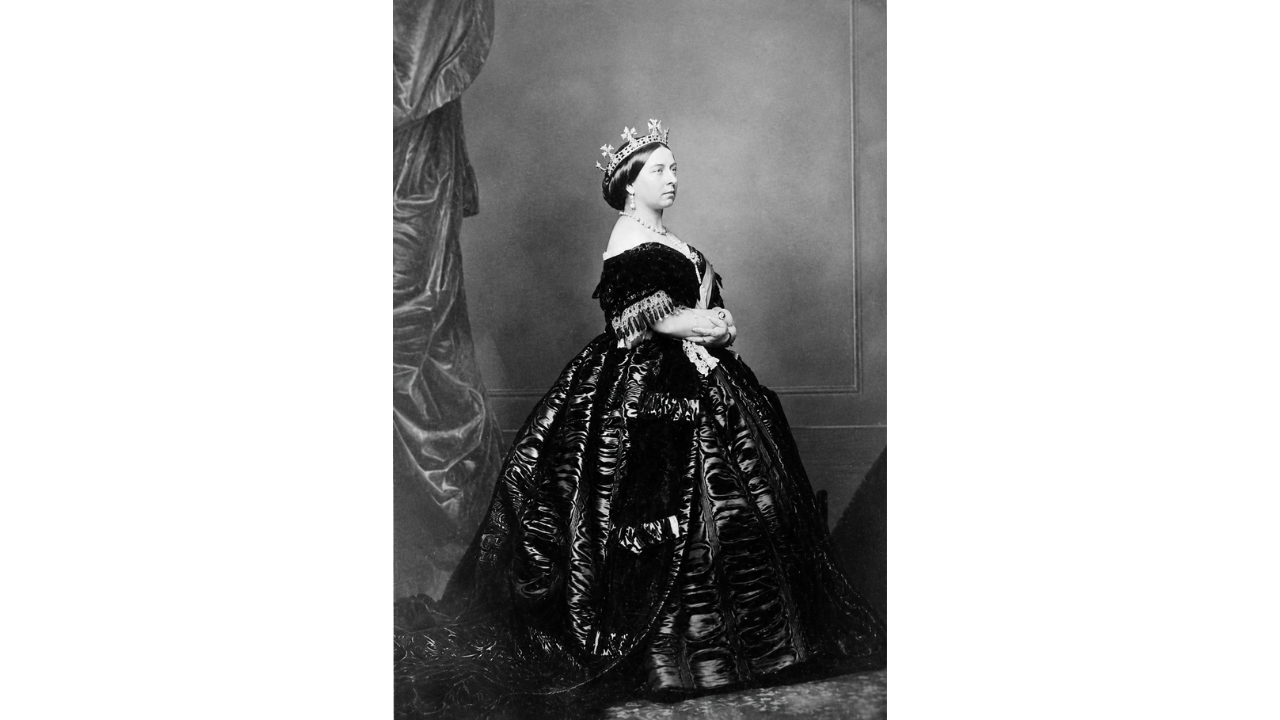
9. Queen Victoria’s mourning dress
After Prince Albert’s death in 1861, Victoria adopted black silk and crepe gowns as a lifelong tribute. Surviving pieces at Kensington Palace and the V&A demonstrate how fashion expressed both duty and personal grief.
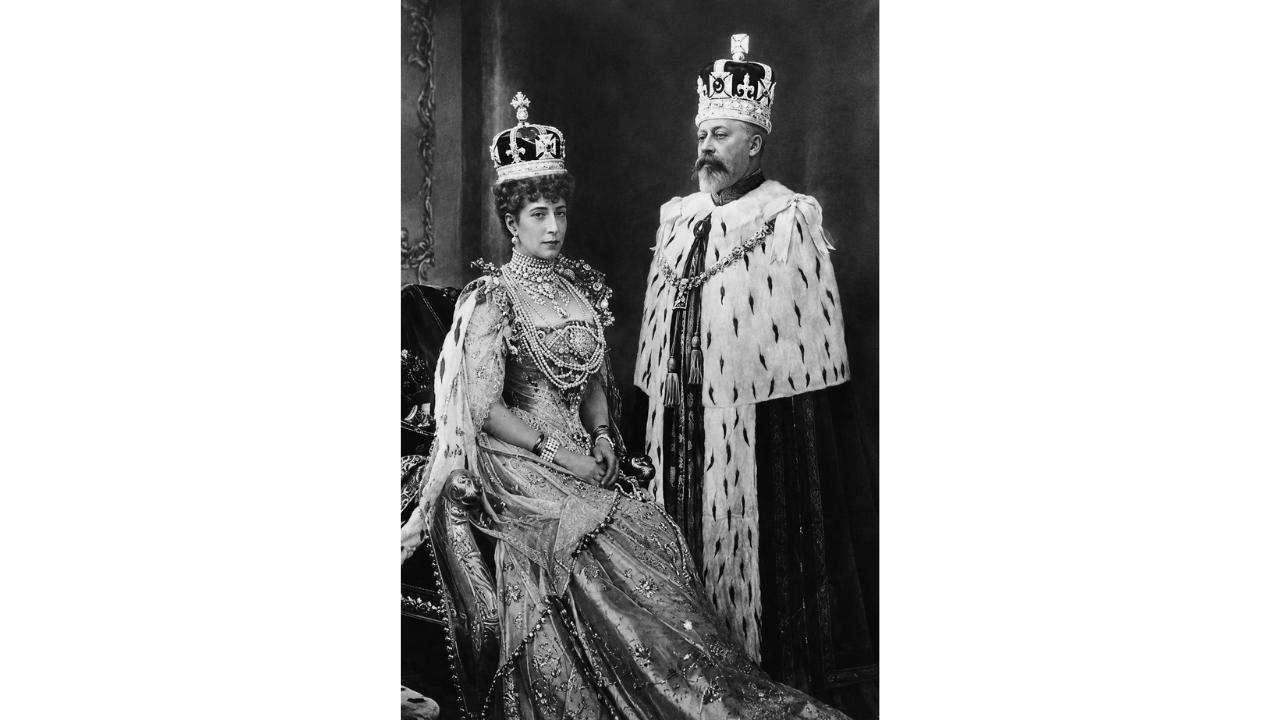
10. Queen Alexandra’s coronation gown
Queen Alexandra’s 1902 coronation gown in gold broke royal tradition. Rich embroidery and metallic threads shimmered beneath Westminster Abbey’s electric lights, highlighting British craftsmanship and ceremonial grandeur.
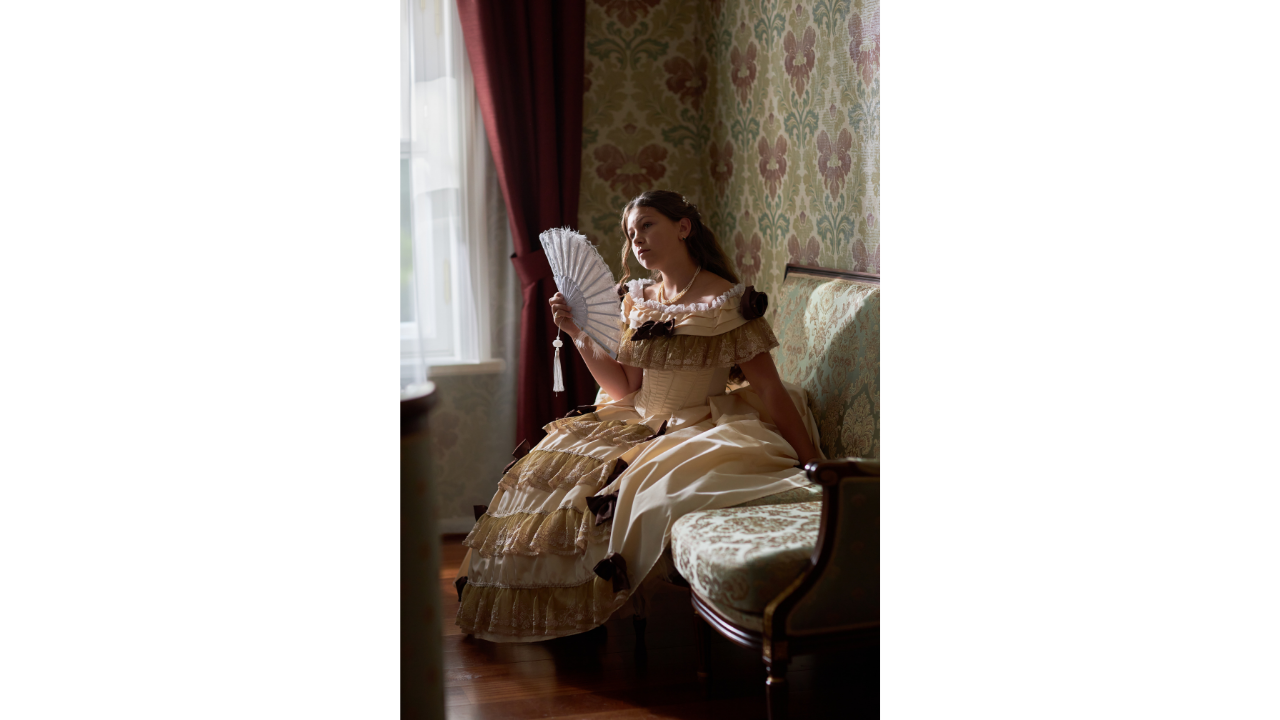
11. Silk taffeta in everyday fashion
Silk taffeta defined mid-19th-century fashion with its crisp texture and sheen. Expanding bell-shaped skirts and fitted bodices exemplified how fabrics shaped the Victorian silhouette, as seen today in museum collections.
12. Queen Charlotte’s surviving dress
Queen Charlotte’s circa 1805 dress, primarily made of bobbin lace, is preserved at Kensington Palace. Its delicate construction and personalized motifs reflect royal wealth and attention to detail.
13. Silk brocade with pleated detail
This gown illustrates the transition from oversized gigot sleeves to narrower 1840s silhouettes. Box pleating, piping, and precisely draped backs show Victorian tailoring at its finest, as displayed at the Museum of Fine Arts Boston.
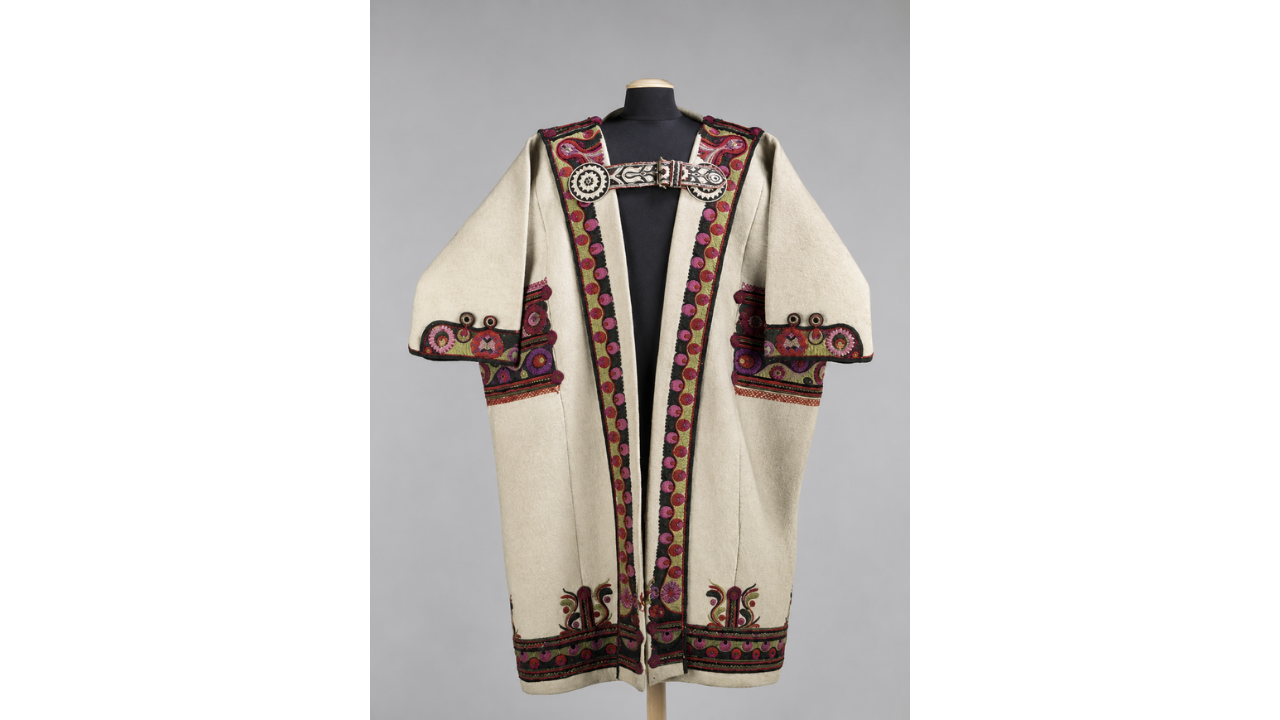
14. Wool mantle outerwear
Wool mantles served as versatile outerwear, from loose cloaks to fitted capes, often adorned with embroidery, braid, or fur. A late 19th-century Hungarian example at The Met illustrates craftsmanship and practicality.
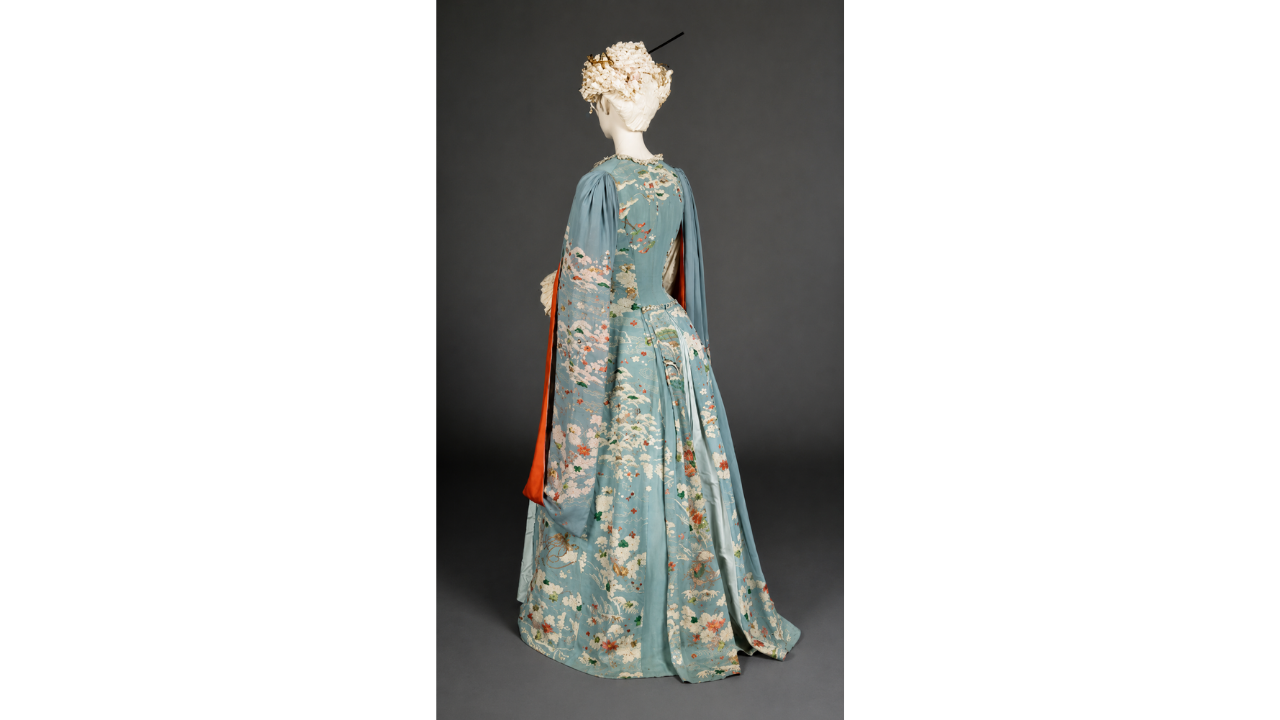
15. Japonisme-influenced gowns
Victorian Japonisme blended kimono-inspired shapes with Western tailoring, including princess seams and pleats. These gowns were worn at home for comfort and style, with examples held at the ASU FIDM Museum.
16. Tartan revival styles
Inspired by romanticized Scottish identity, tartan appeared on cloaks, gowns, and ceremonial attire. The Royal Stewart tartan gained popularity in the 1800s and is showcased today in exhibitions like V&A Dundee’s collection.
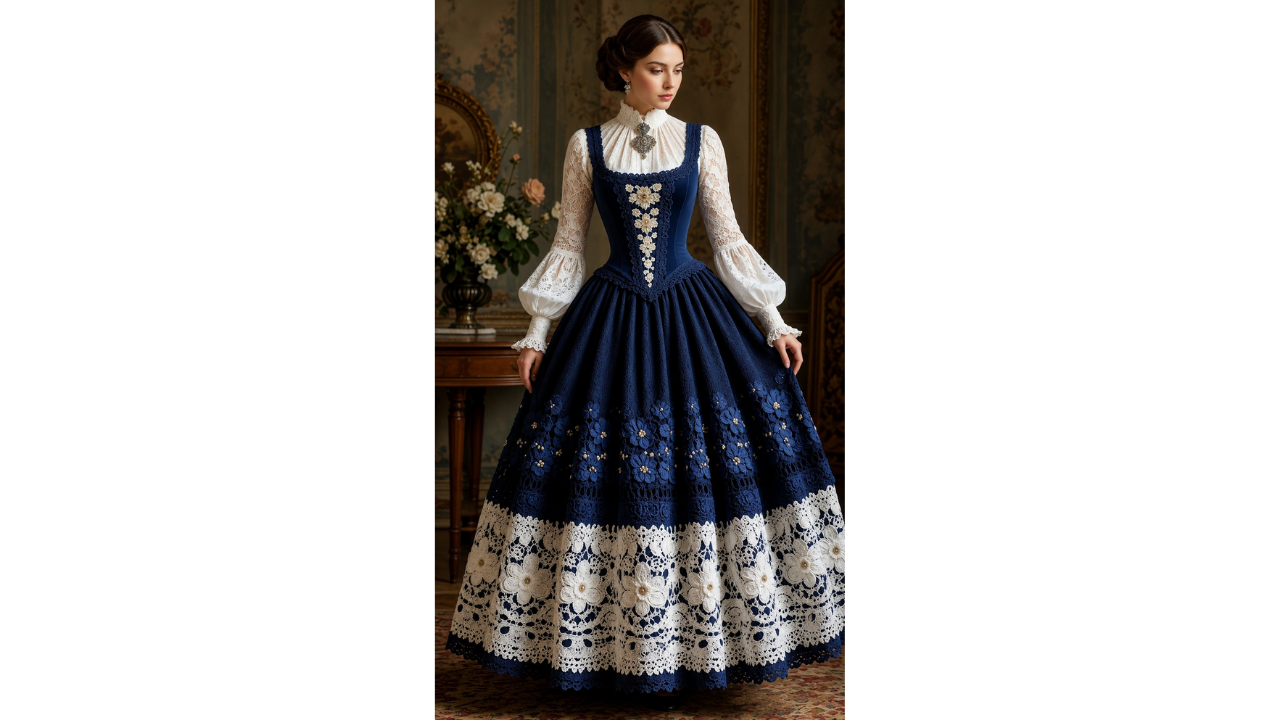
17. Muslin three-piece dresses
Lightweight muslin ensembles featured fitted bodices, full skirts, and decorative aprons. Often sheer with embroidery, lace, or ribbon, they were worn over corsets or bustles for warm-weather and seaside occasions.
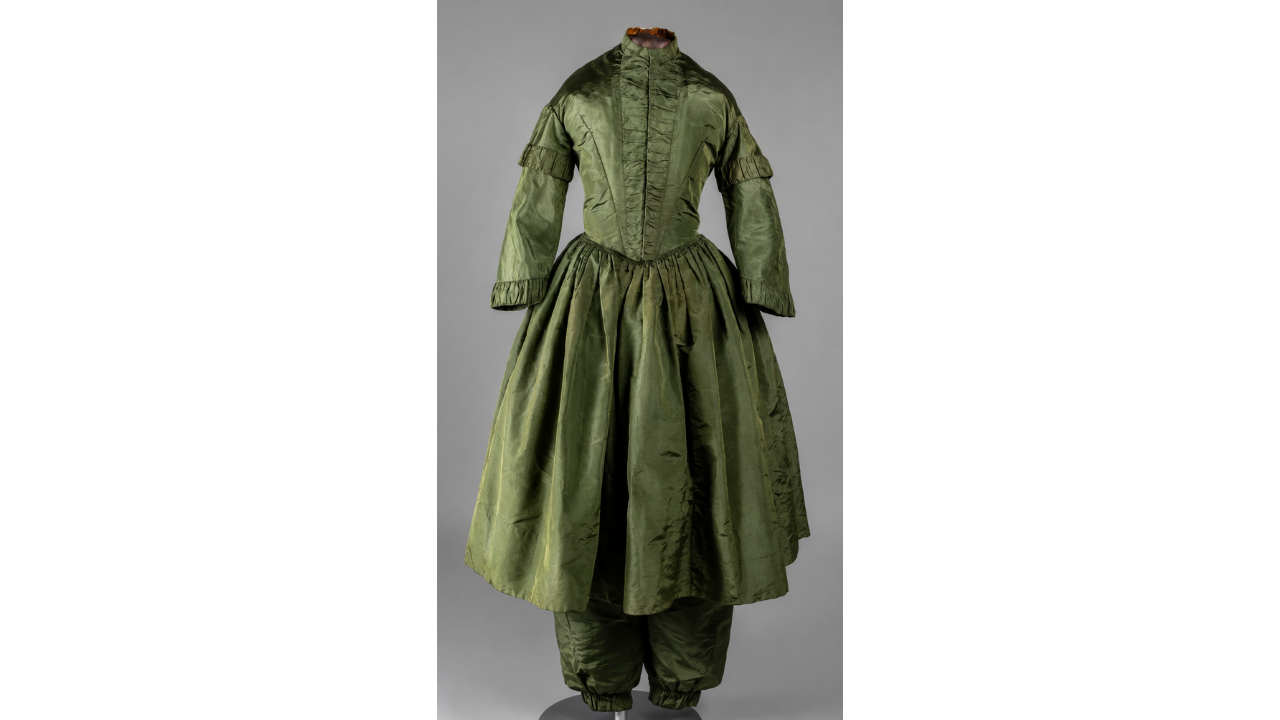
18. Early Victorian women’s bathing suits
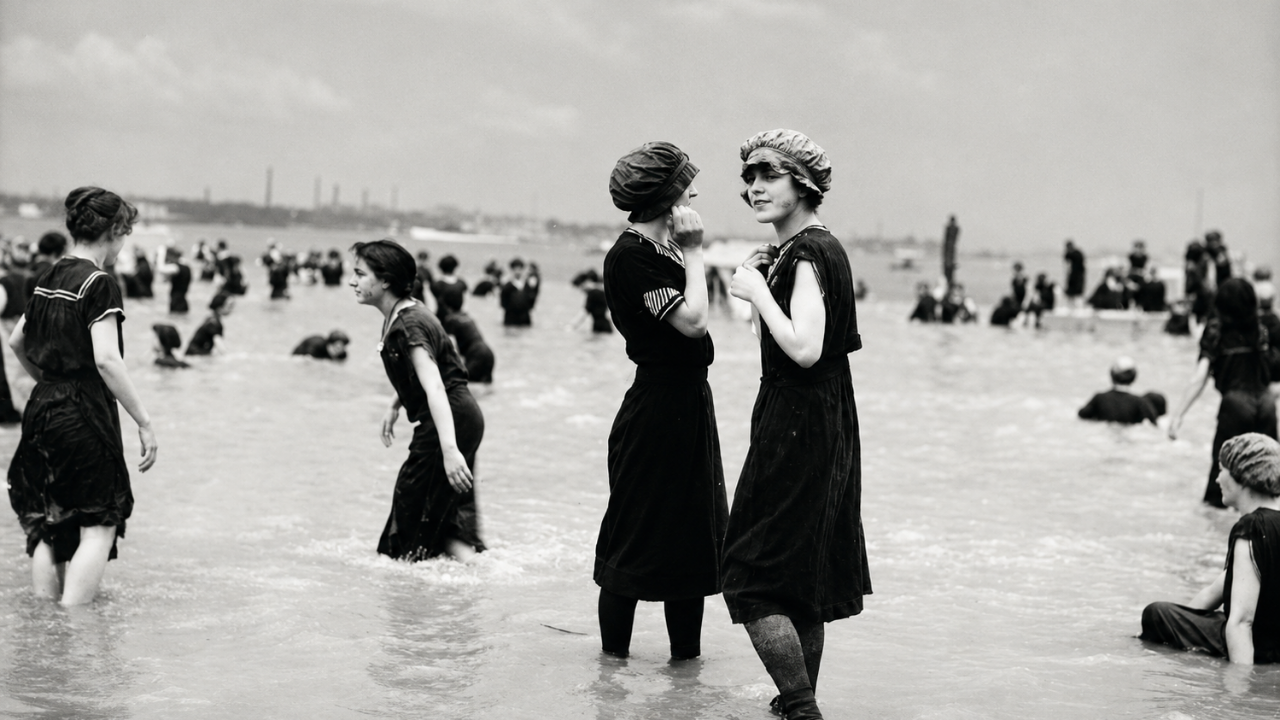
Heavy woolen swimwear reflected strict social codes, prioritizing modesty. Paired with bathing carriages, these suits illustrate how practicality and propriety influenced design, preserved at London’s Design Museum.
19. Decorative straw hats
Straw hats evolved from sun protection to fashion statements. Women’s bonnets became elaborate with ribbons and feathers, while men favored simpler boaters, surviving in collections at the V&A and the Metropolitan Museum.
20. Maison Léoty corsetry
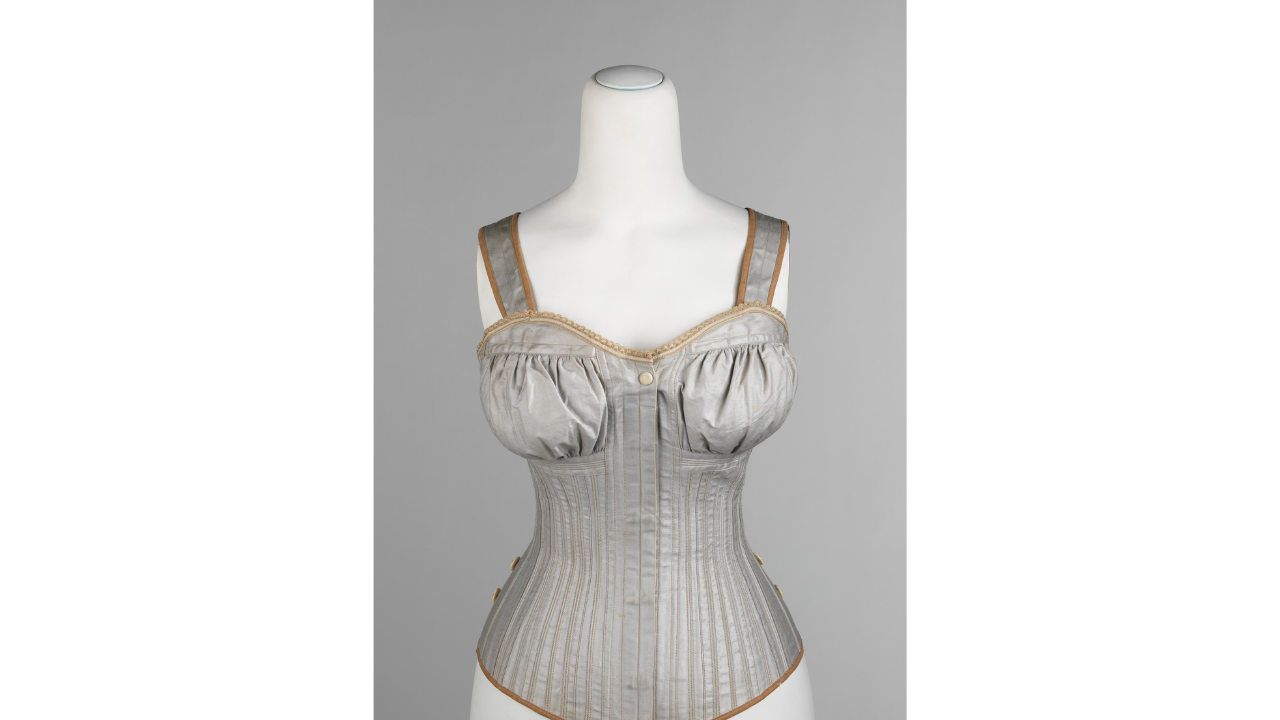
19th-century Parisian Maison Léoty corsets combined support with flexibility, anticipating modern comfort. These designs balanced structure with movement, and historical examples are preserved at the Musée de la Mode, Paris.
21. Josephine Bonaparte’s embroidered gown
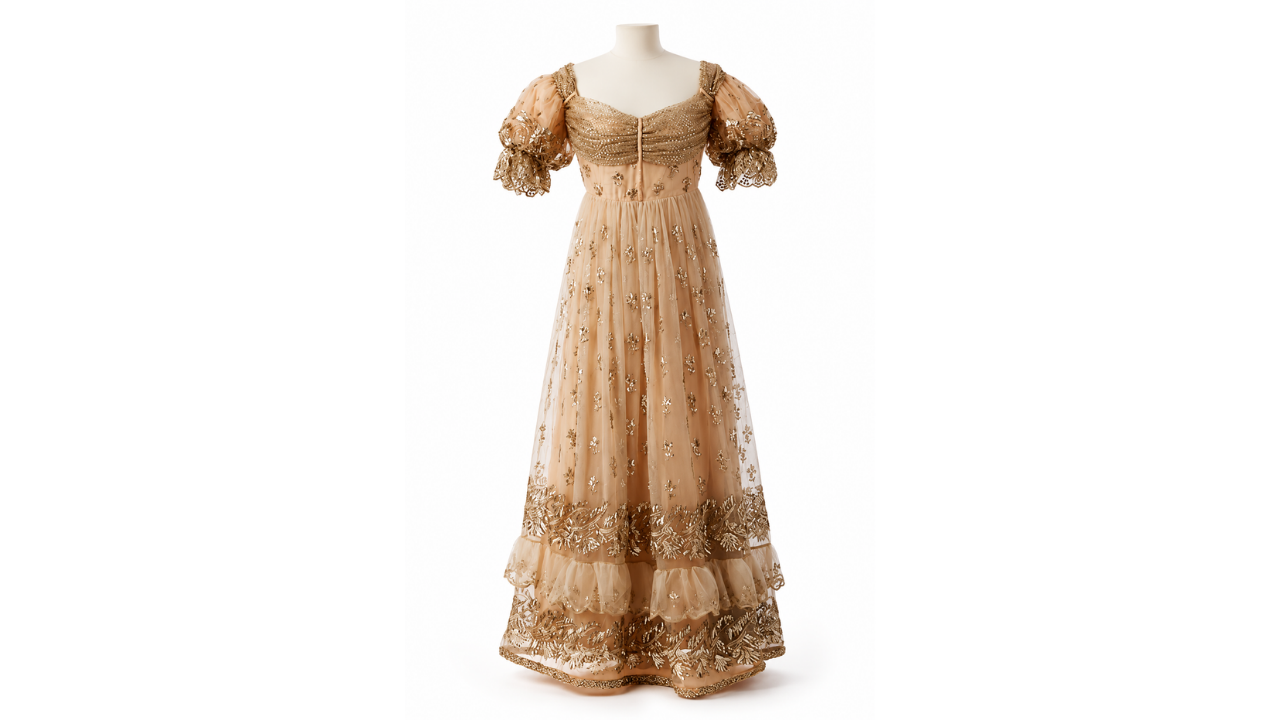
A Napoleonic court gown showcased gold thread, floral motifs, and intricate embroidery. Preserved at the FIDM Museum, it represents early 19th-century luxury, attention to detail, and the enduring artistry of imperial fashion.
Comments (0)
No comments yet. Be the first to share your thoughts!