Current Date: 16 June, 2026

10 royal dress traditions behind British monarchy appearances

The British royal family is known for its impeccable style, but many traditions and etiquette expectations influence how members dress for public appearances and formal events. These guidelines blend tradition, etiquette, and practicality, ensuring royals project authority, elegance, and respect for the occasion. Every choice, from accessories to colors, carries meaning and often follows decades of precedent.

1. Clutch bags can send subtle signals
1. Clutch bags can send subtle signals
© Pexels / aj collins artistry

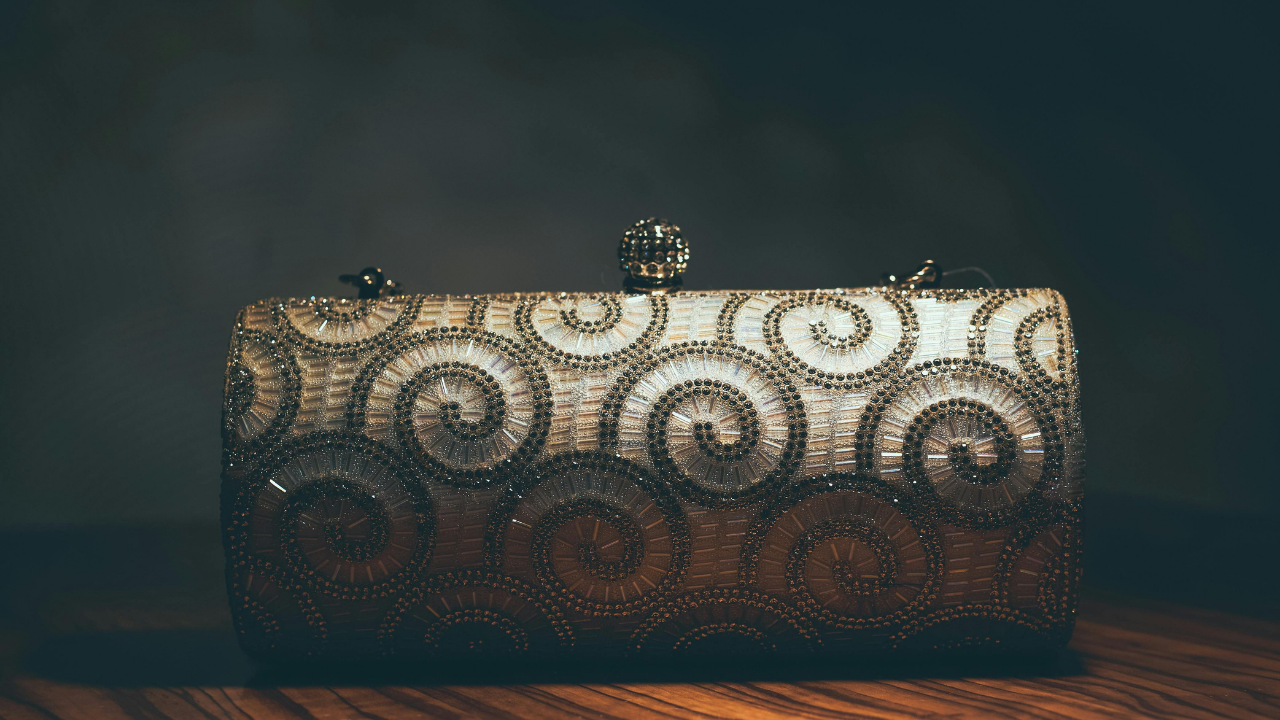
Royal women have reportedly used clutches for subtle signaling. For example, Queen Elizabeth would switch her handbag from one hand to the other to discreetly indicate she was ready to end a conversation. Princess Diana also used her clutch creatively to prevent wardrobe malfunctions, showing that these small gestures serve both style and function.

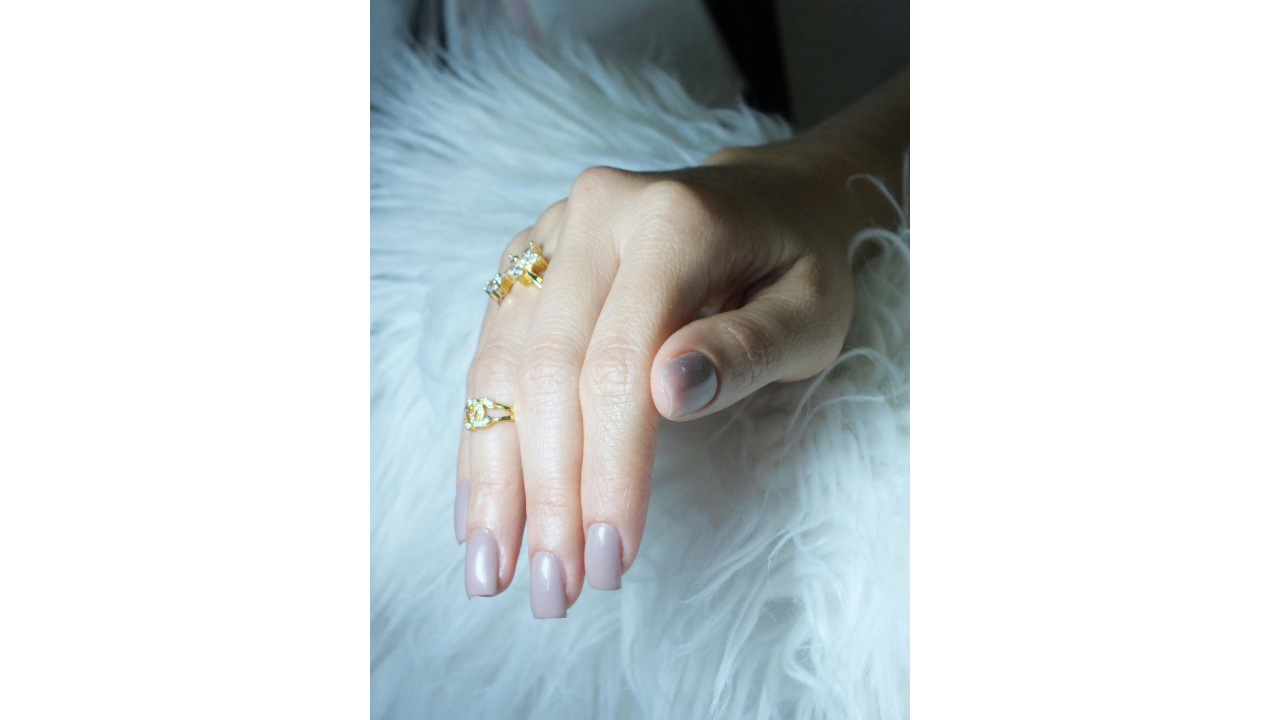
2. Stick to understated nail polish

2. Stick to understated nail polish
© Pexels / moo lens

Bright nail colors are generally avoided at formal royal appearances. They favor sheer, neutral shades that create a clean and timeless look. Queen Elizabeth often wore pale-pink tones, which emphasized refinement while remaining subtle and consistent with royal tradition.

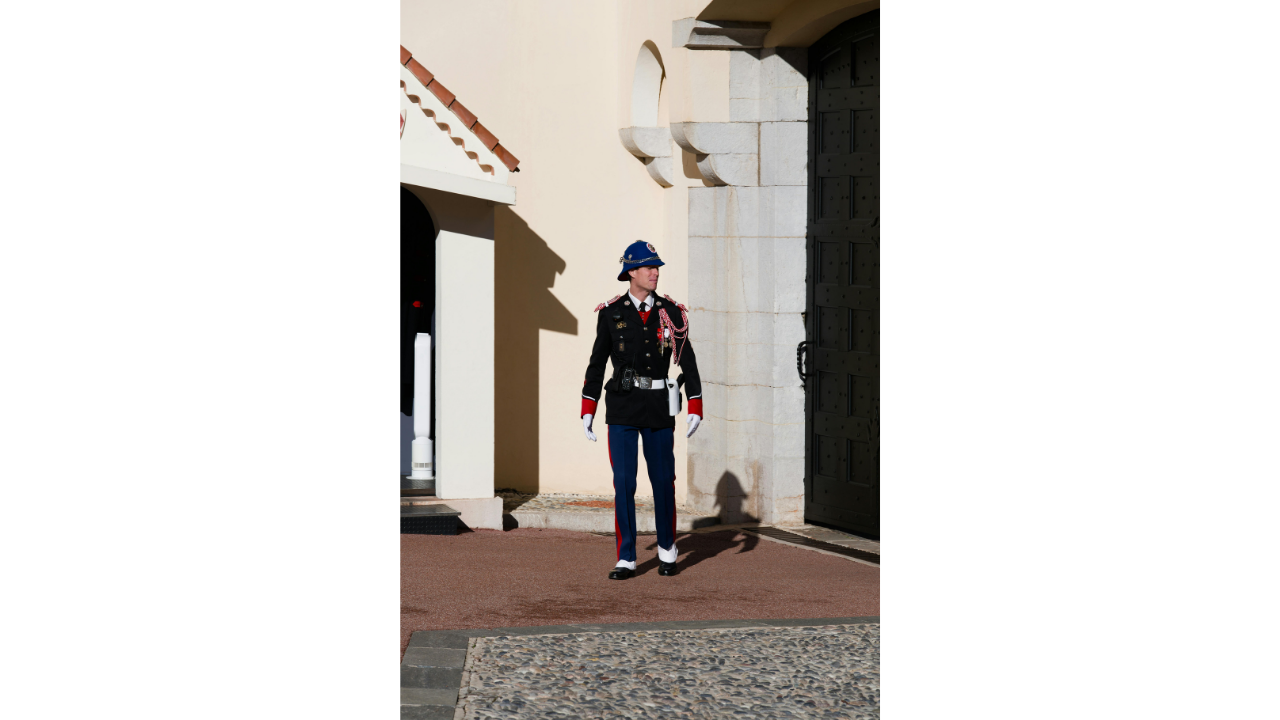
3. Facial hair is often kept formal

3. Facial hair is often kept formal
© Pexels / jean paul wettstein

Clean-shaven looks are often preferred for formal royal events. Queen Elizabeth tolerated beards only under specific circumstances, such as when royals were away on duty or in remote areas. This rule highlights the importance of polished appearances in maintaining royal decorum.

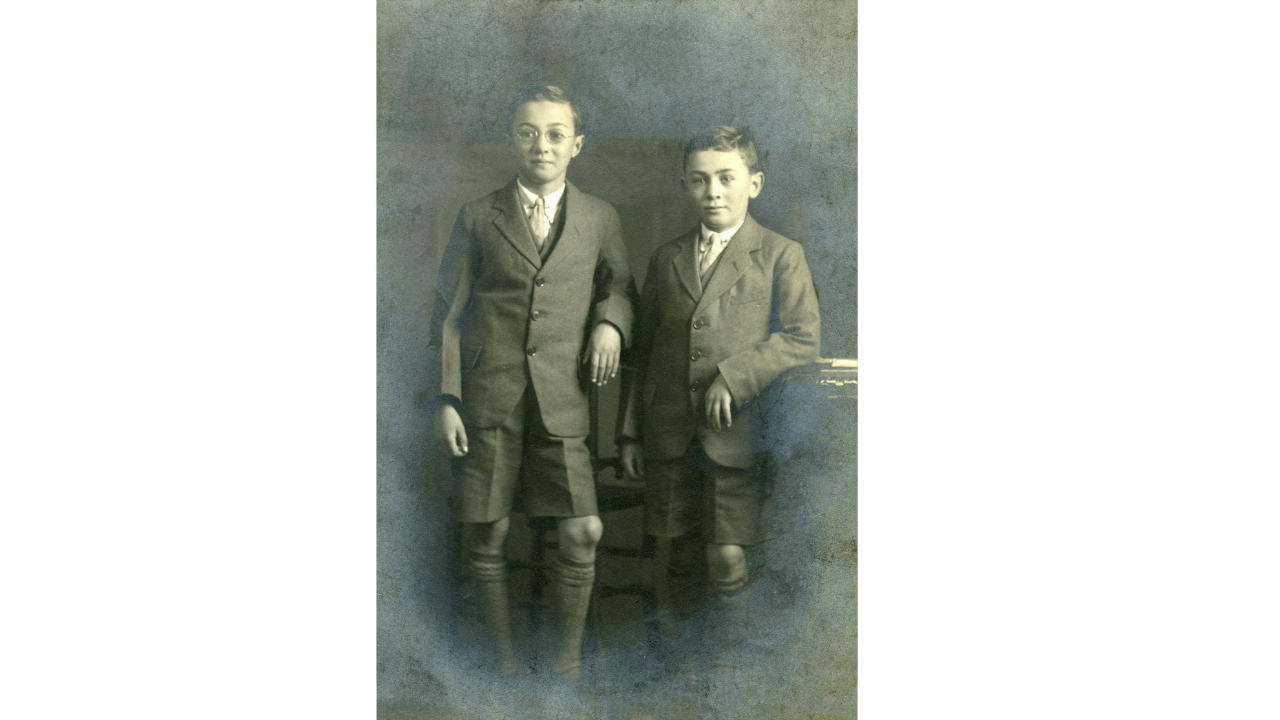
4. Shorts for young boys

4. Shorts for young boys
© Pexels / brettjordan

Prince Louis and other young royal boys wear shorts instead of trousers until they reach a certain age. This longstanding practice, rooted in historical traditions, marks age and status while differentiating boys from adult male royals in formal settings.

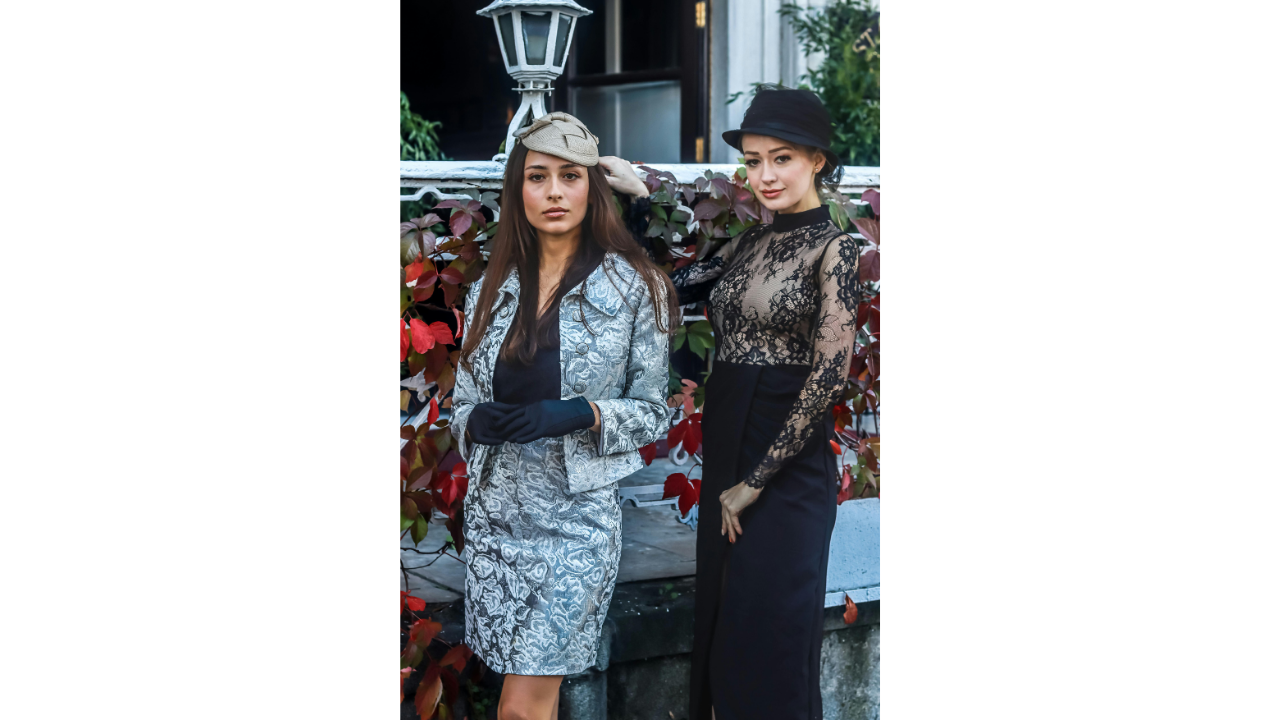
5. Hats for formal occasions

5. Hats for formal occasions
© Pexels / oktay koseoglu

Royal women are expected to wear hats at most formal events. Queen Elizabeth’s extensive hat collection was not just about fashion; it signified status, tradition, and adherence to royal etiquette. Hats continue to play a central role in maintaining elegance during ceremonial appearances.

6. Black outfits are kept for mourning

6. Black outfits are kept for mourning
© Pexels / cottonbro

Royal family members are expected to carry an all-black outfit while traveling. This ensures they are appropriately dressed for unexpected mourning occasions and demonstrates attentiveness to protocol, reflecting a respect for tradition and family circumstances.

7. Tiaras are reserved for special events
7. Tiaras are reserved for special events
© Pexels / alikarimibn

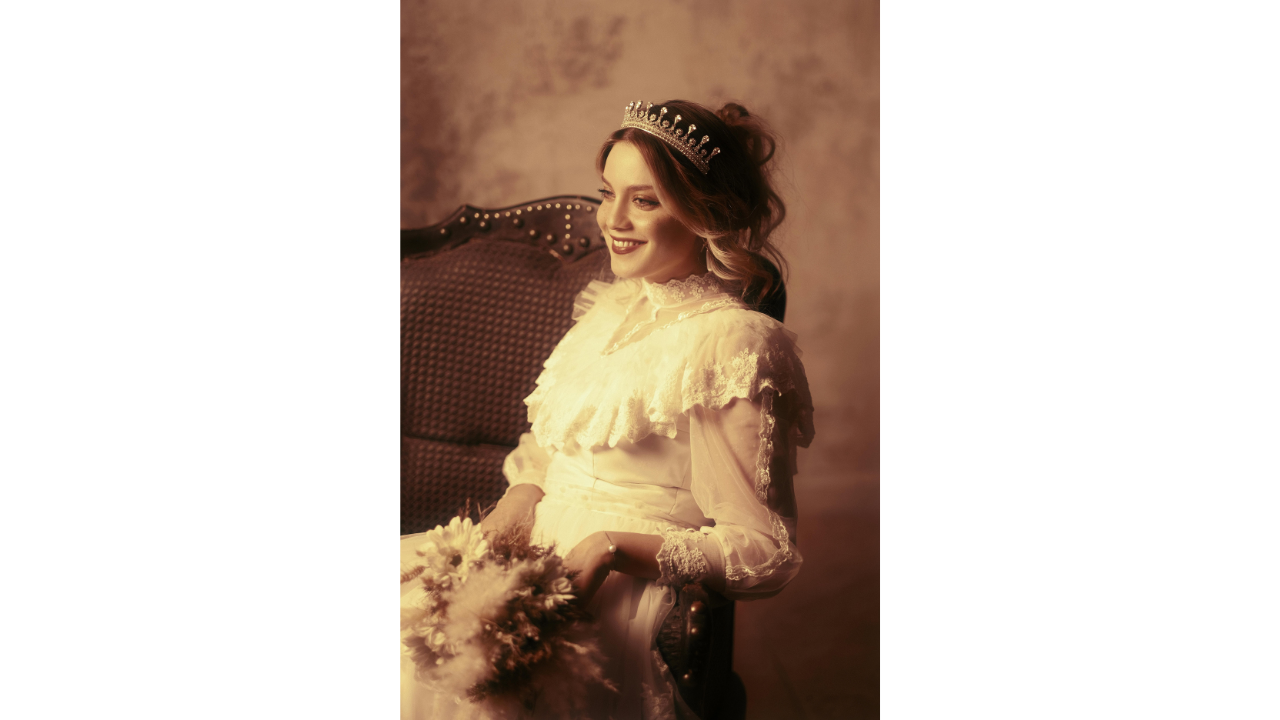
Tiaras are only worn for white-tie events, and often associated with married royal women and formal white-tie occasions. Kate Middleton did not wear a tiara until her wedding, showing that these sparkling accessories signify status, marital standing, and royal heritage.

8. Gloves for hygiene and tradition

8. Gloves for hygiene and tradition
© Pexels / mikhail nilov

Gloves were standard for decades as both a hygiene measure and a traditional accessory. While less common today, royals continue to wear them at select events. Princess Diana preferred direct contact, showing that gloves are sometimes more about ceremonial custom than practicality.

9. Royal wedding dresses may need approval
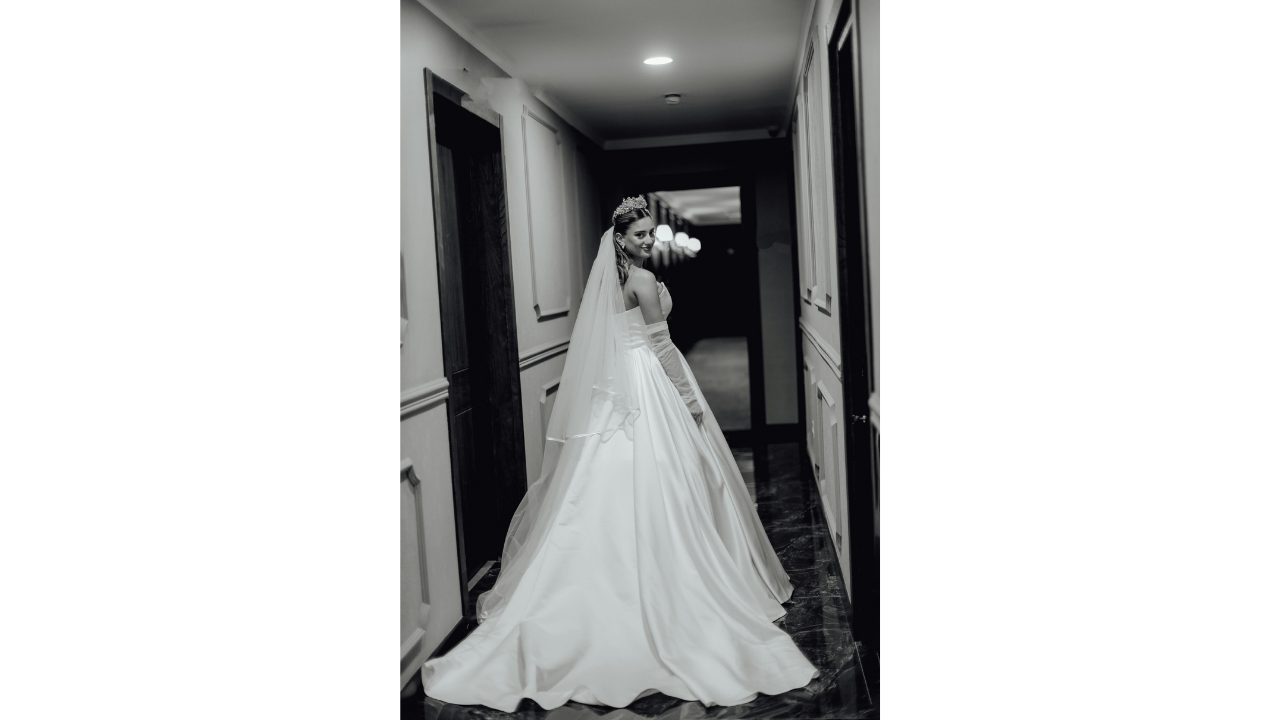
9. Royal wedding dresses may need approval
© Pexels / photography maghradze ph

Royal wedding dresses are typically reviewed within the family and palace process. Dresses should be modest, elegant, and typically white or cream, featuring long sleeves and conservative necklines. This rule ensures brides honor both tradition and family expectations, linked to the white wedding tradition popularized by Queen Victoria.

10. Black attire is traditional at funerals
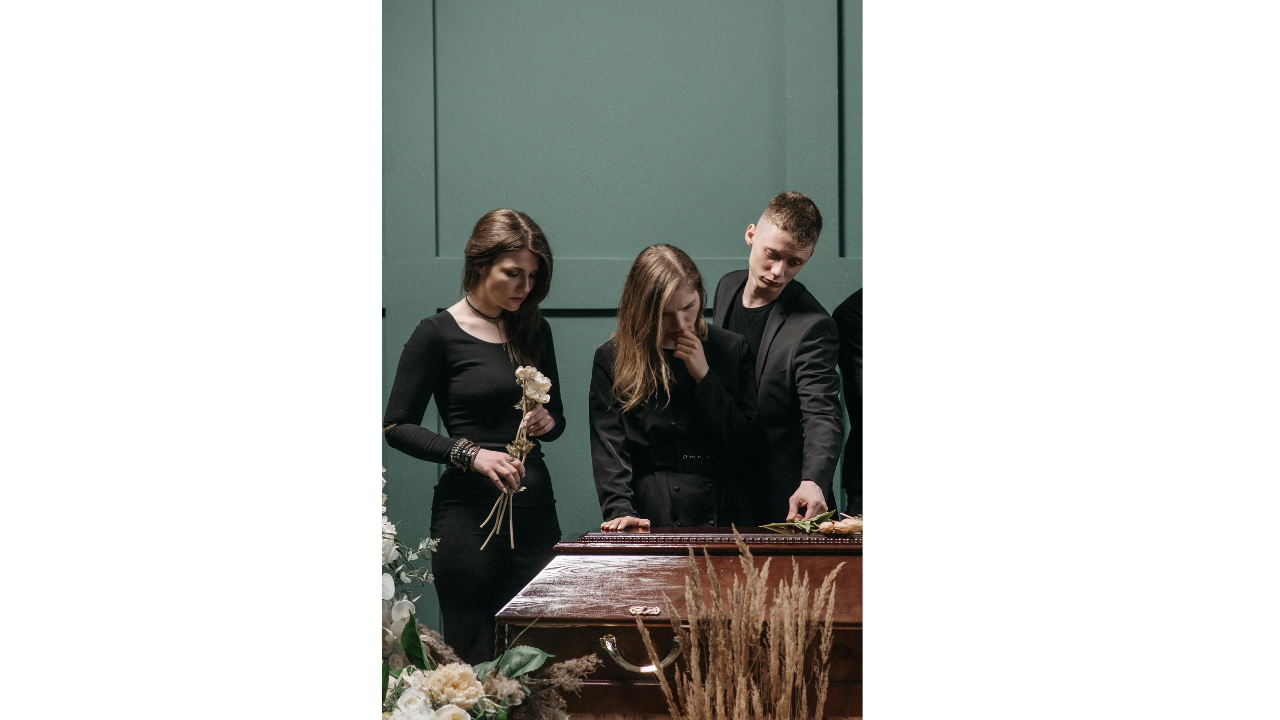
10. Black attire is traditional at funerals
© Pexels / pavel danilyuk

While not strictly codified, wearing black at funerals is a strong tradition. Royals observe this color code to maintain dignity and convey respect, reflecting the symbolic power of attire in ceremonial contexts.

Comments (0)

No comments yet. Be the first to share your thoughts!

Leave a Reply