Current Date: 16 June, 2026

10 styling techniques that celebrity dressers use to keep outfits looking polished

Getting dressed for a formal occasion and arriving looking exactly as intended is harder than it appears. Wrinkles form during transit. Gowns shift. Undergarments move. Shoes slip on polished floors. For most people these are minor inconveniences. For celebrities walking a red carpet in front of photographers and cameras from every angle, they are problems that require practical solutions worked out in advance. This guide covers 10 of those techniques, drawn from the experience of working stylists who use them regularly.

1. Minimizing wrinkles during transit
1. Minimizing wrinkles during transit
© Pexels / ron lach

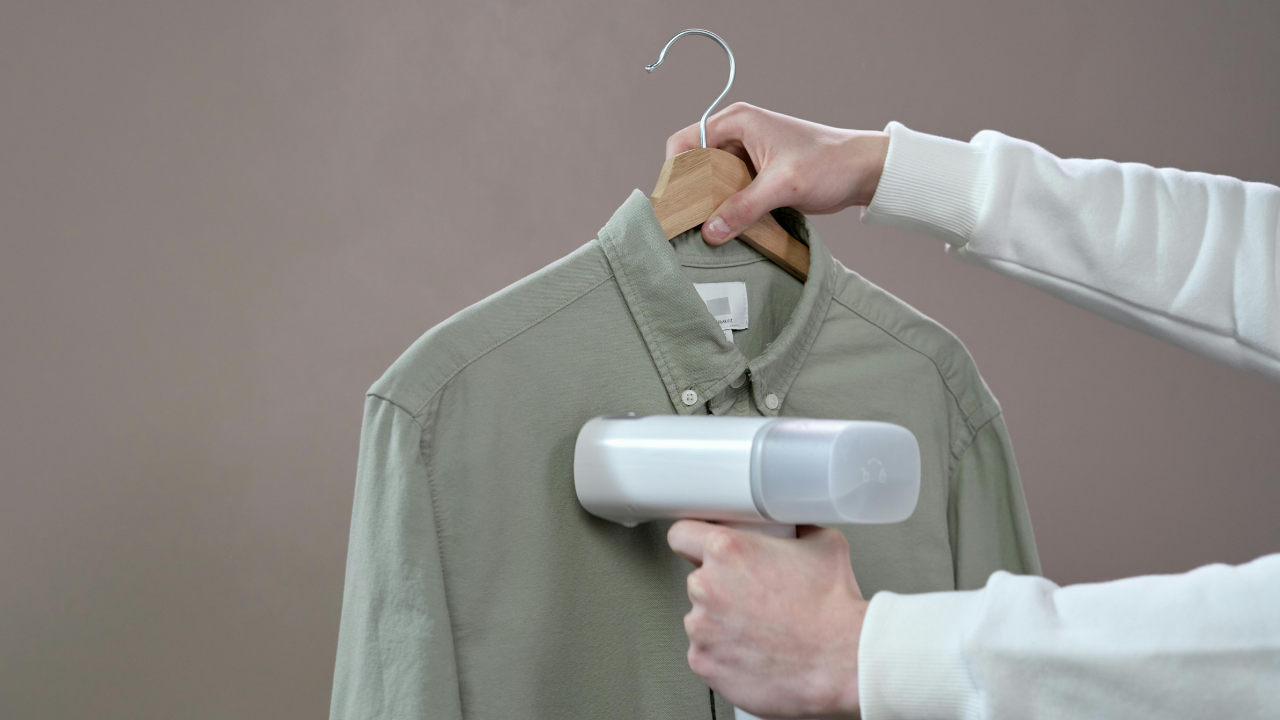
One of the most common problems between getting dressed and arriving at an event is the wrinkles that form from sitting in a car. The hip crease that develops from sitting in a fitted gown or tailored suit can undo careful preparation in minutes.

For less extreme situations, keeping a travel steamer or wrinkle-release spray accessible on arrival gives a quick option for addressing any creases that form during the journey.

2. Sewing garments in place instead of using tape
2. Sewing garments in place instead of using tape
© Pexels / guney kayra acer

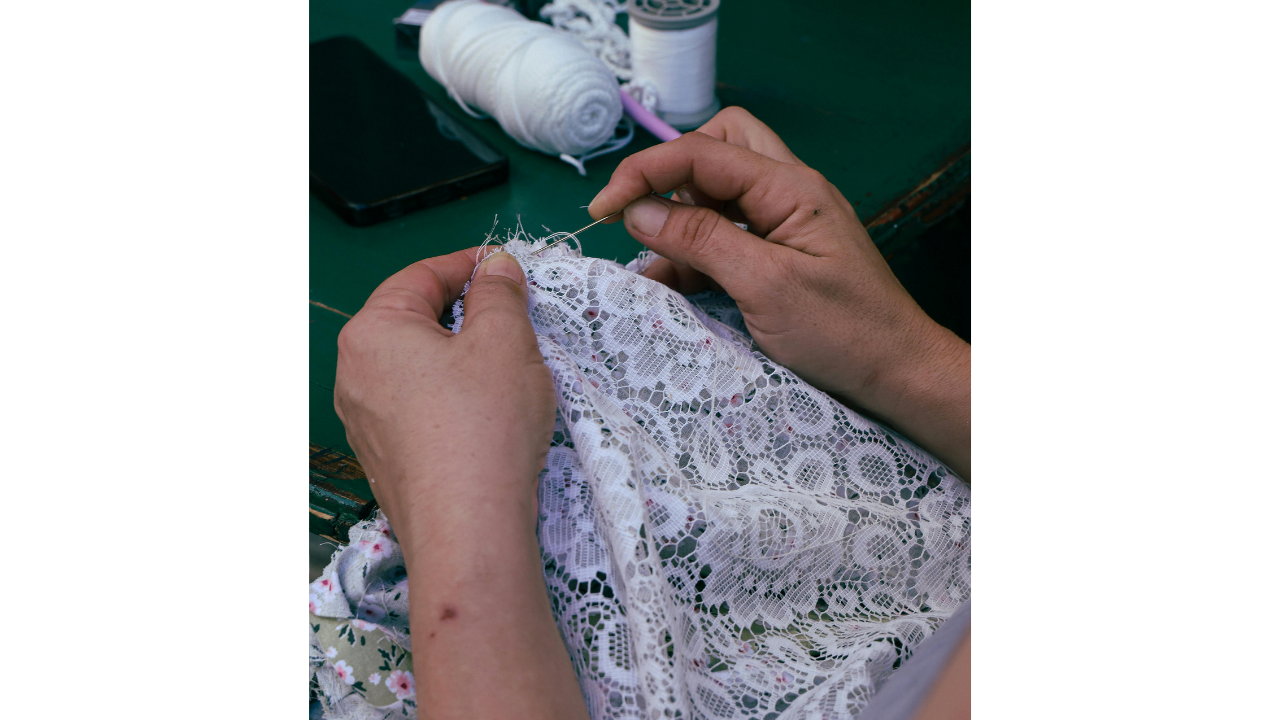
Double-sided fashion tape is widely known as a styling tool for keeping garments in position, but professional stylists often prefer a more secure alternative for high-stakes occasions sewing the wearer directly into the garment for the duration of the event.

3. Customizing undergarments for a seamless fit
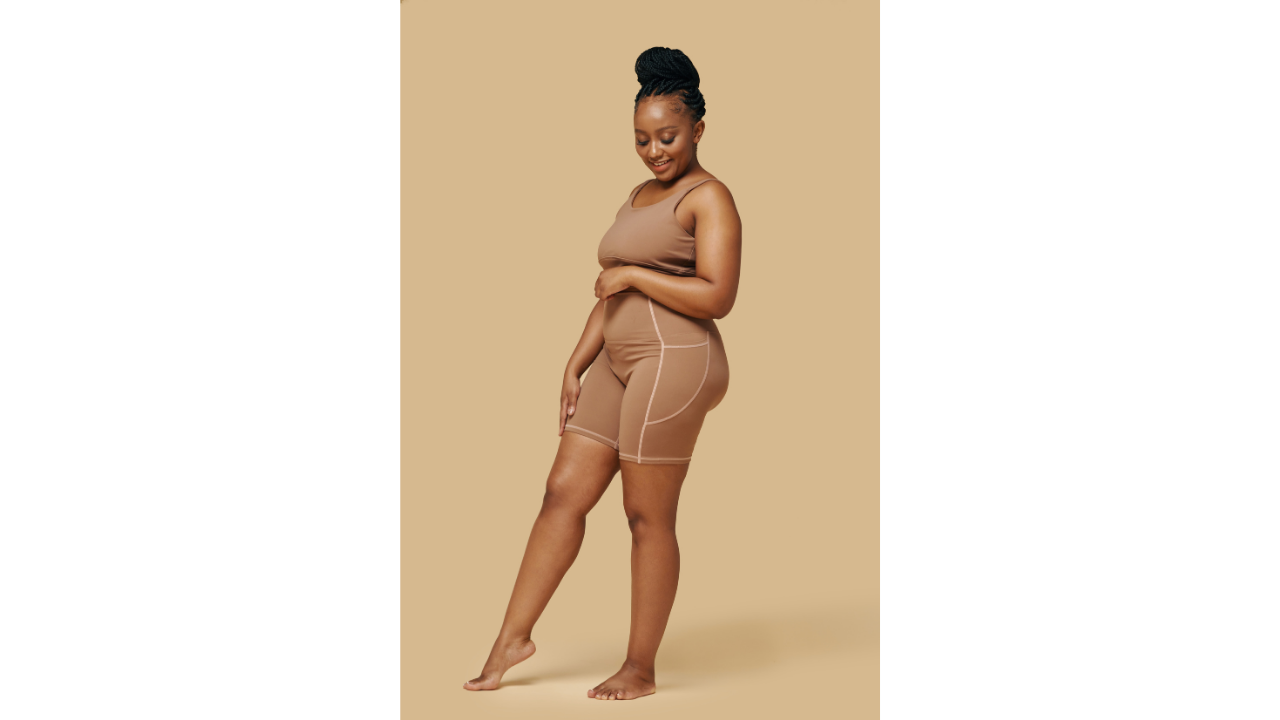
3. Customizing undergarments for a seamless fit
© Shutterstock / Dragon Images

Visible panty lines and shifting undergarments are among the most common fit problems with formal wear. The standard solution of choosing seamless underwear addresses part of the problem but does not always prevent movement during an event.

4. Using a waist cincher for structure and posture
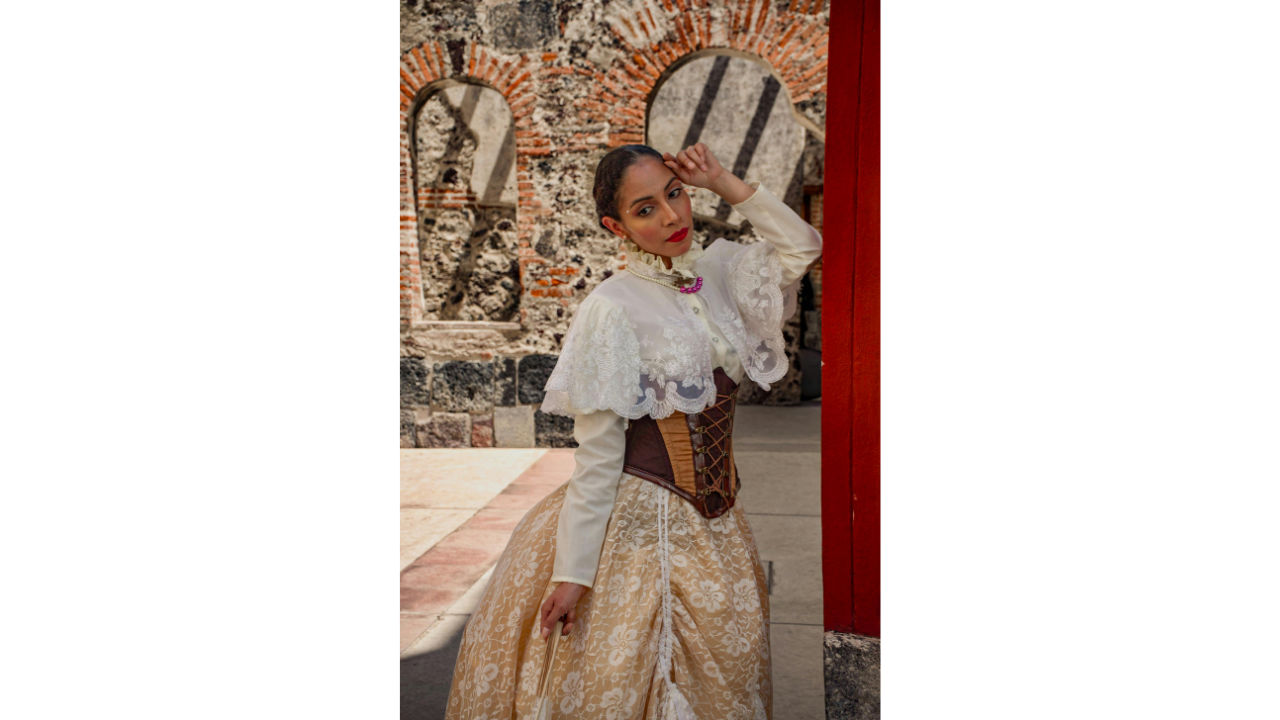
4. Using a waist cincher for structure and posture
© Pexels / eduardo gonzalez

A waist cincher, a firm, close-fitting undergarment that compresses the midsection serves two purposes in formal dressing. It creates a smoother silhouette under fitted garments by reducing the visual variation between the waist and hip line, and it improves posture by providing external support for the core during extended standing and movement.

5. Sandpaper on shoe soles for grip

5. Sandpaper on shoe soles for grip
© Pexels / efren ftz

Slipping on polished floors, descending stairs in heeled shoes, or losing footing on a dance floor are practical risks at formal events that most people do not address until they have already experienced a near-fall. Celebrity stylists address this proactively by roughening the soles of new shoes with sandpaper before an event.

6. Sweat protectors for extended formal wear
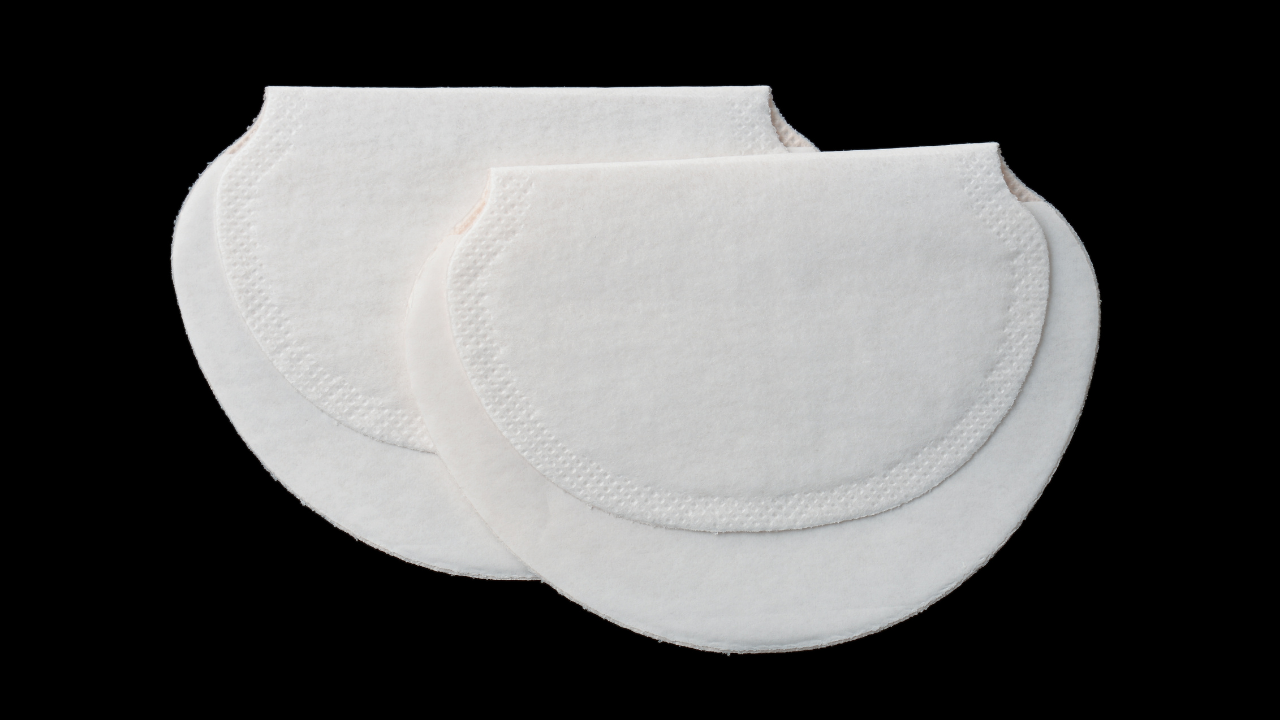
6. Sweat protectors for extended formal wear
© Shutterstock / Anton Starikov

Visible sweat marks under the arms of formal garments are difficult to conceal and can damage fabric permanently. Celebrity stylists use disposable sweat protector pads absorbent underarm inserts that fit inside the garment rather than against the skin for events where the wearer will be photographed repeatedly and where the event runs long enough that perspiration is a practical concern.

7. Packing an emergency kit for the event
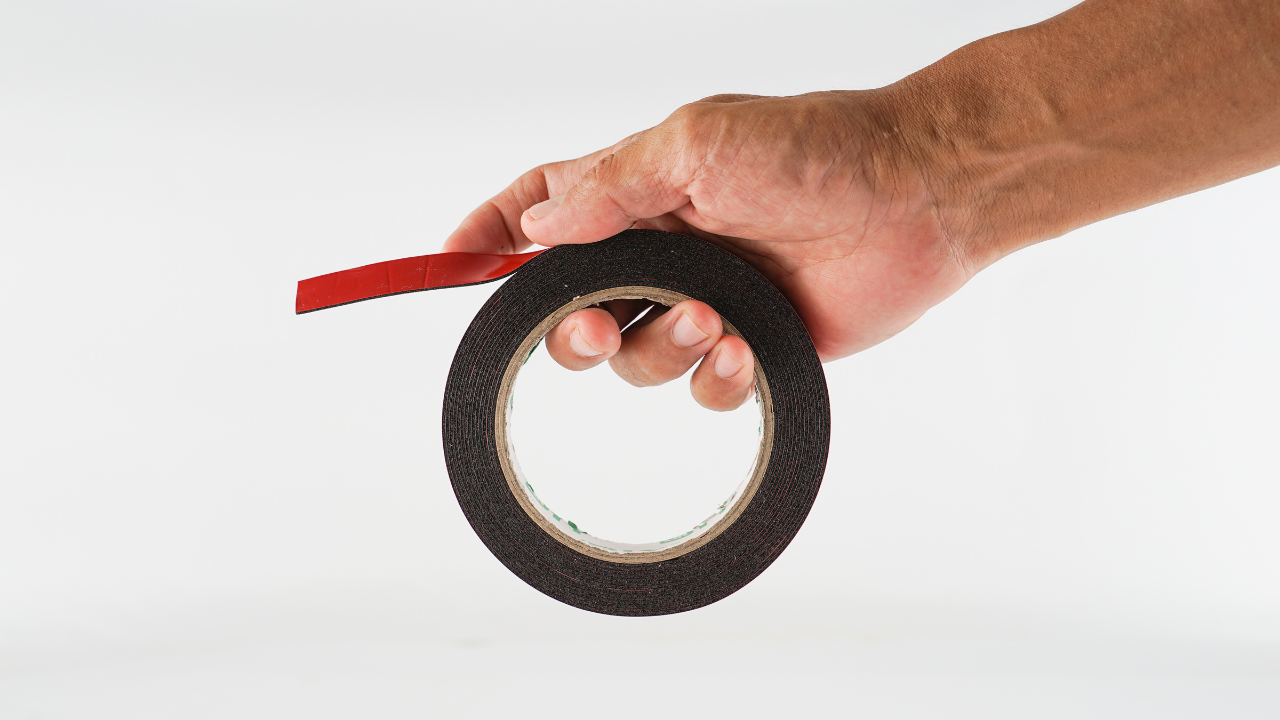
7. Packing an emergency kit for the event
© Shutterstock / imrankadir

Professional stylists keep an emergency kit accessible throughout any event they are working, covering the most common last-minute problems that arise with formal wear. The standard contents include spare shoes suitable for dancing or extended standing, double-sided tape for any shifting that occurs during the event, wrinkle-release spray for fabric that creases under movement, and stain-remover for any contact with food or drink during the event.

8. Managing hem length for different footwear
8. Managing hem length for different footwear
© Shutterstock / Rawpixel

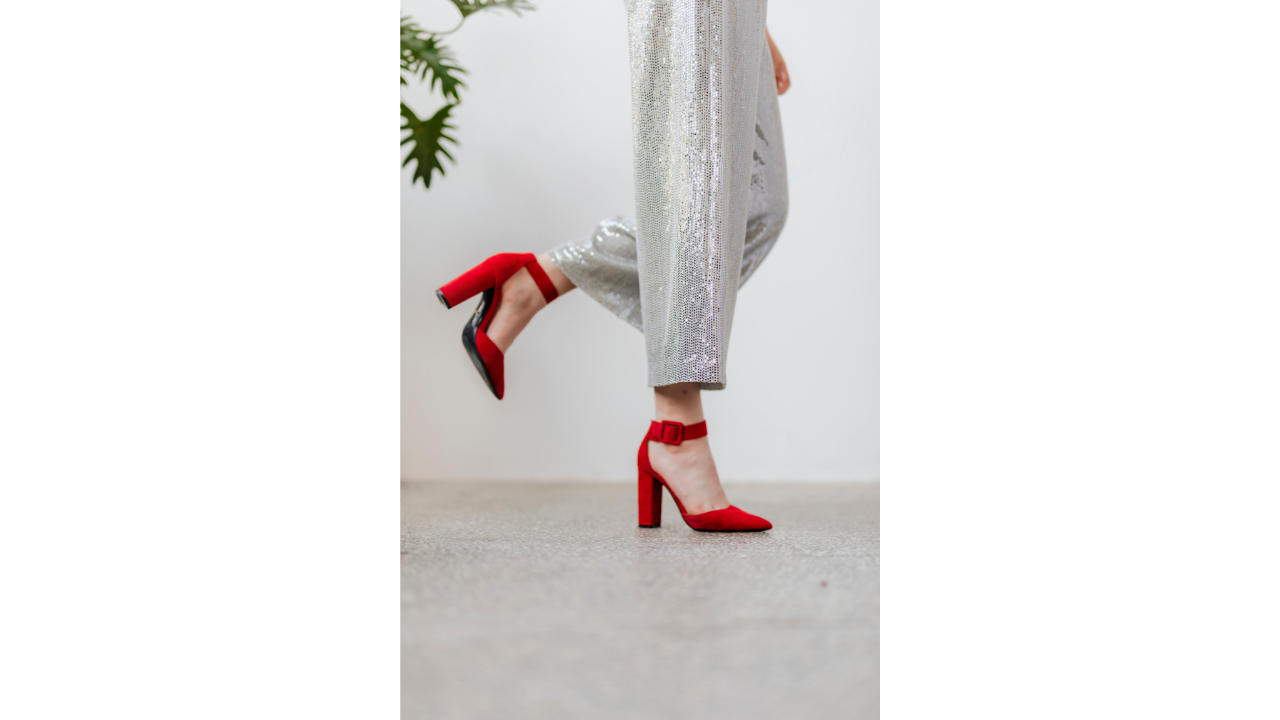
Formal gowns and tailored trousers are typically hemmed for a specific heel height, and wearing a different shoe than intended whether through preference or comfort changes how the hem sits and moves. Stylists account for this by confirming the exact footwear before finalizing the hem length and by keeping a spare pair of shoes at the same heel height available in case the primary pair becomes uncomfortable during an extended event.

9. Securing accessories so they stay in position
9. Securing accessories so they stay in position
© Shutterstock / Unai Huizi Photography

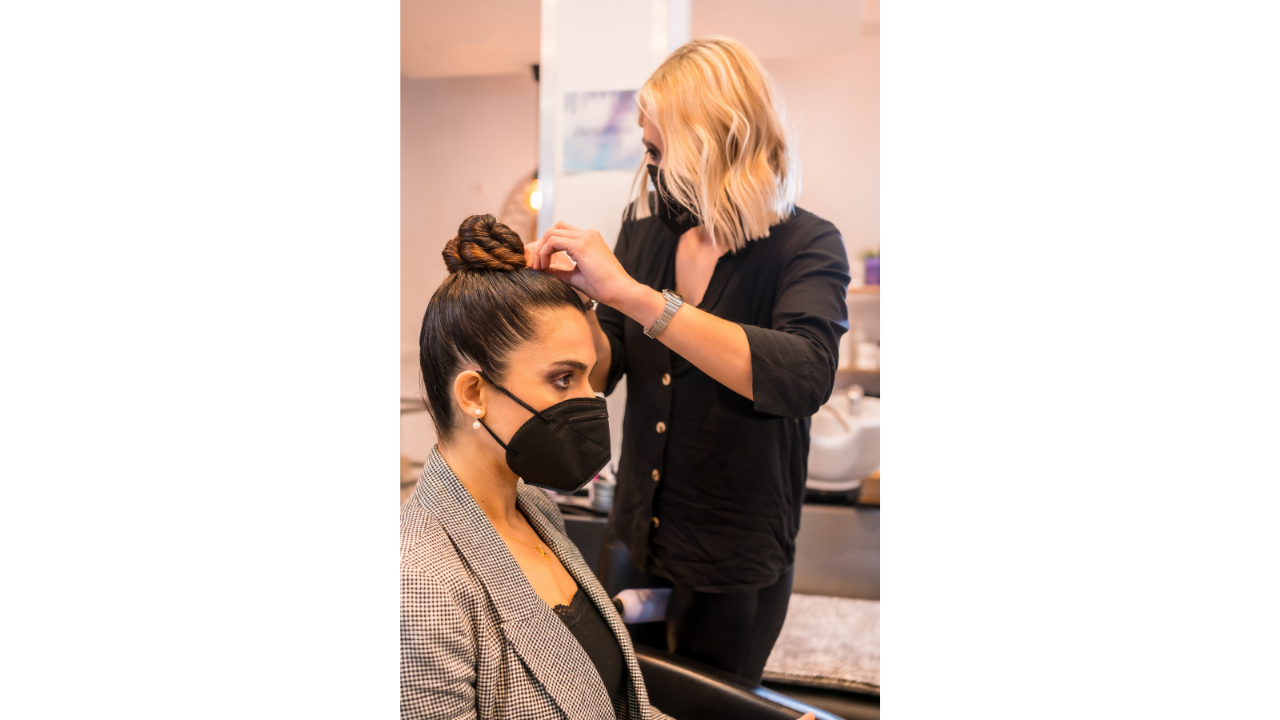
Jewelry, hair accessories, and decorative elements on formal garments can shift, loosen, or fall during an event in ways that are difficult to address discreetly. Stylists secure accessories at multiple points rather than relying on a single clasp or fastening, and use clear elastic or fine hairpins to anchor items to hair or fabric at secondary contact points that are not visible from the front.

10. Preparing for the end of the event as carefully as the beginning
10. Preparing for the end of the event as carefully as the beginning
© Shutterstock / Melinda Nagy

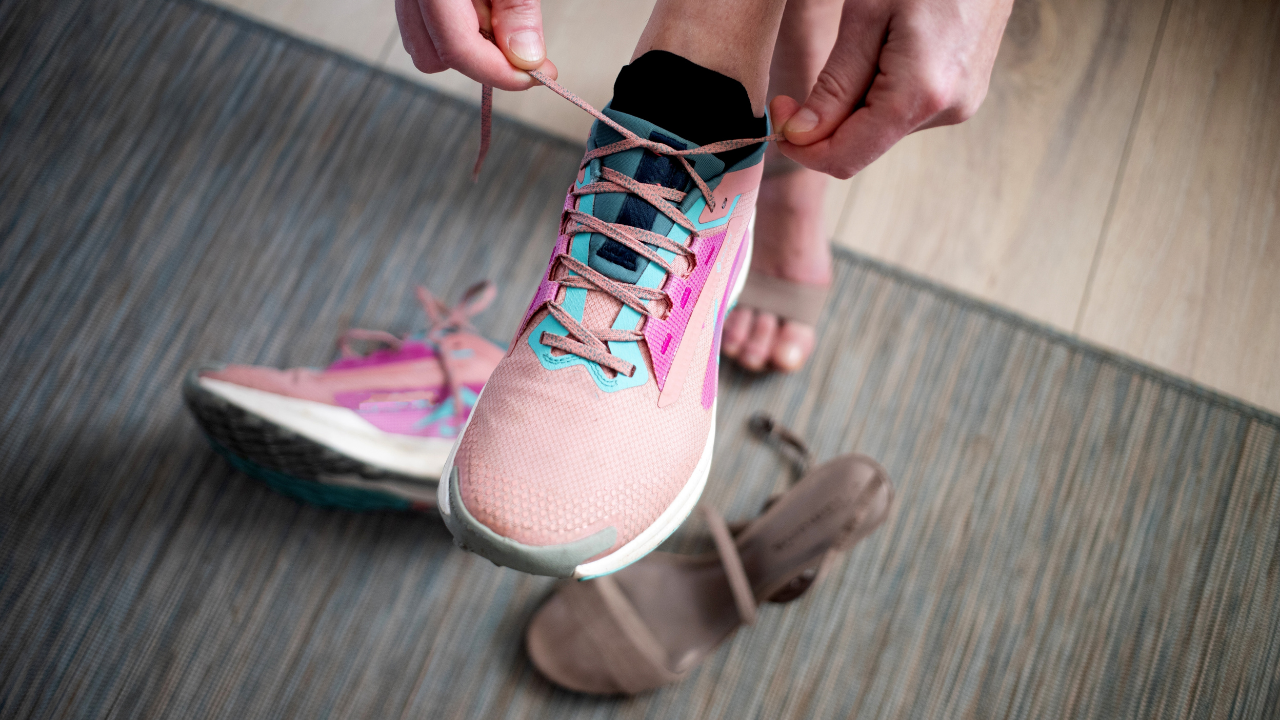
Professional stylists plan the end of a formal event as carefully as the preparation for it. This includes having a change of shoes available for the later stages of the event when comfort becomes a higher priority than appearance, ensuring that garments on loan are handled correctly for return, and having the emergency kit accessible through the full duration of the event rather than only during the initial preparation.

Comments (0)

No comments yet. Be the first to share your thoughts!

Leave a Reply