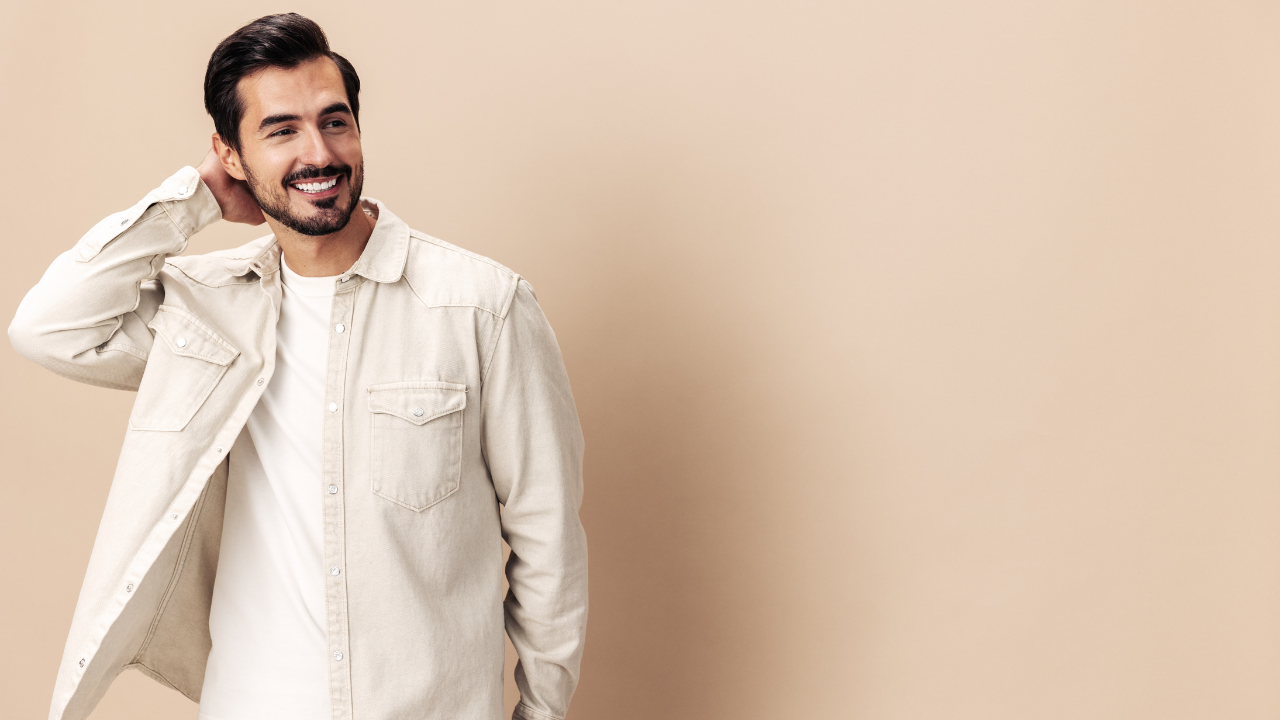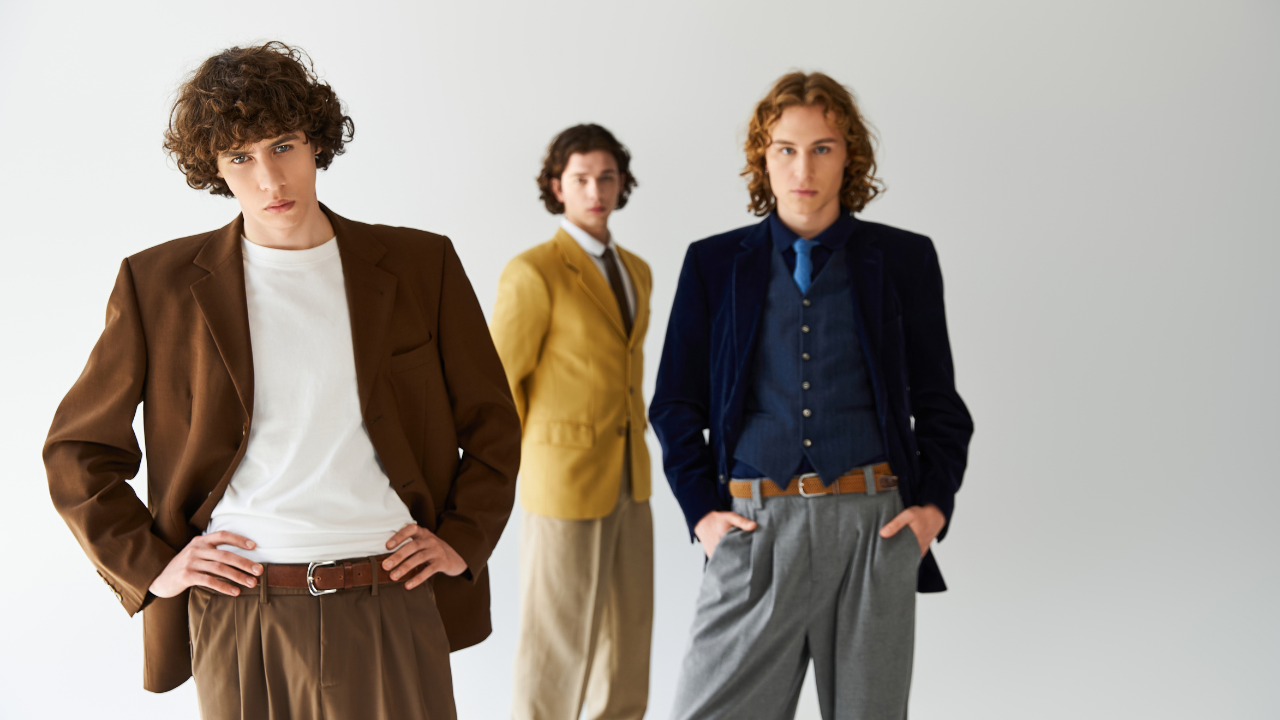
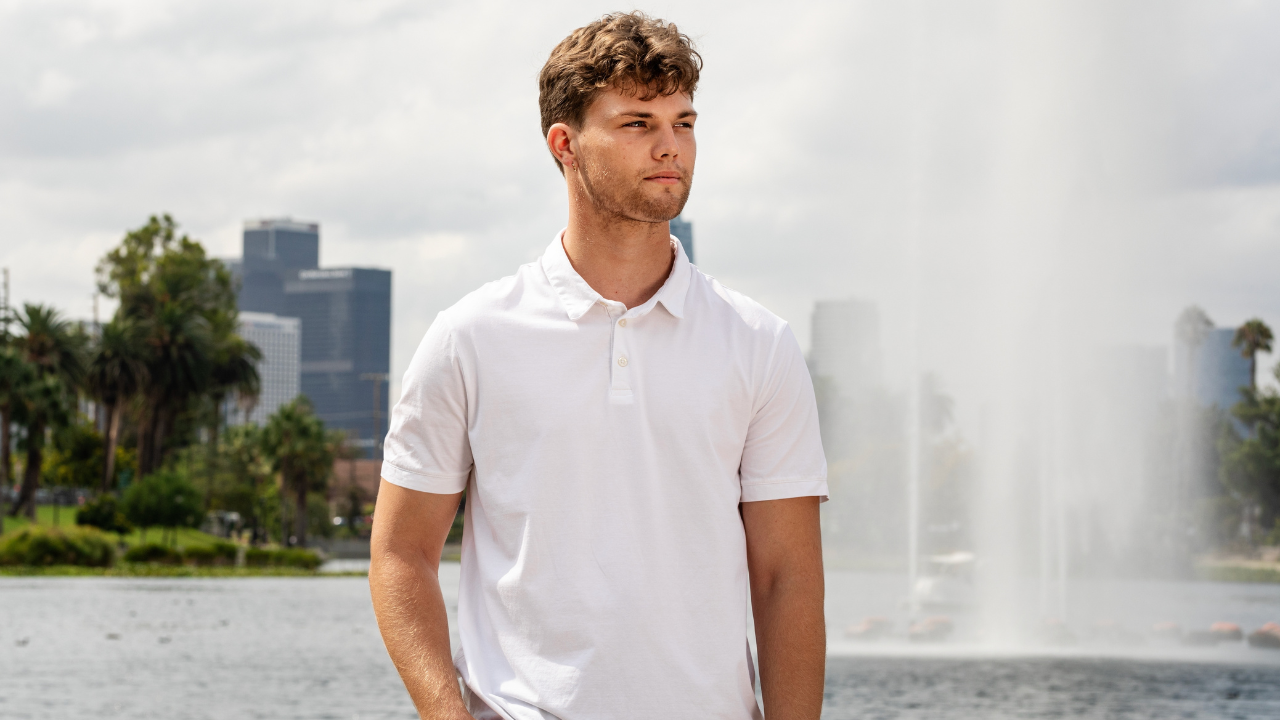
Confidence in style is not always about bold statements or attention-grabbing outfits. Often, it comes from subtle, consistent choices that feel natural and intentional. The way clothing fits, feels, and reflects personal preference can influence how someone carries themselves. These simple styling approaches focus on comfort, consistency, and authenticity, helping create a more self-assured presence without overcomplicating everyday dressing.
1. Choosing fabrics that feel comfortable
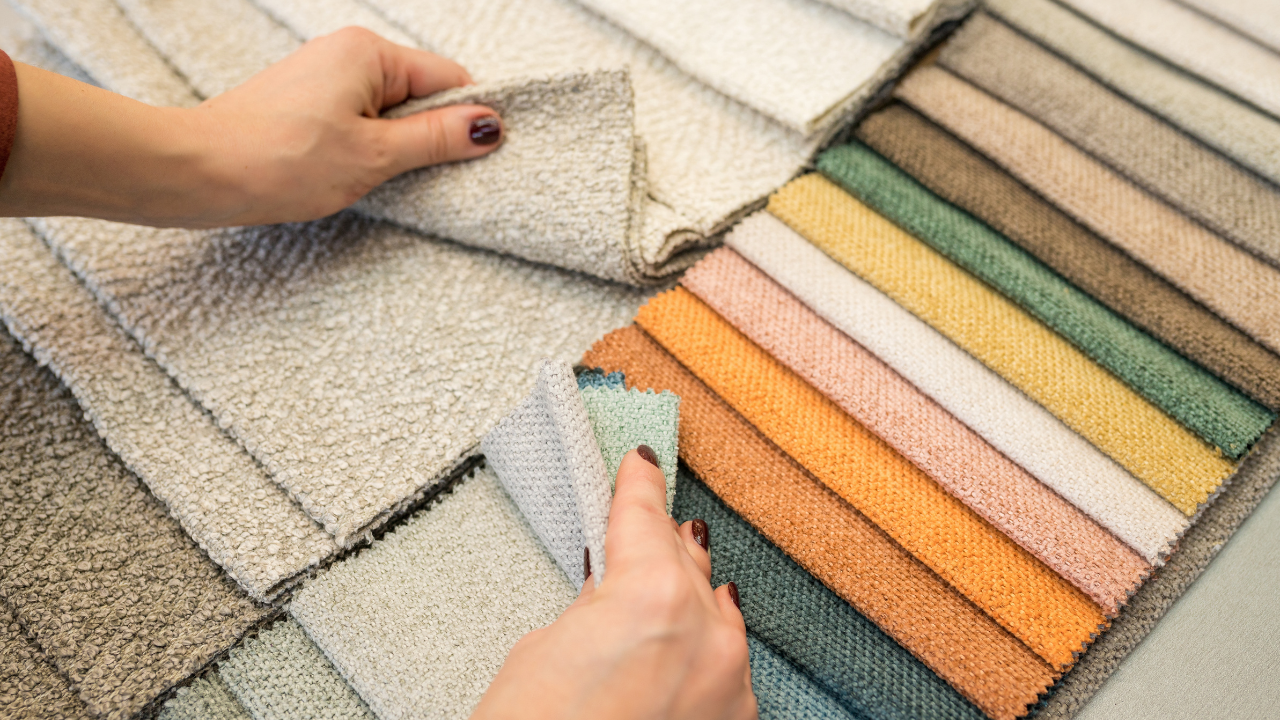
Clothing that feels good against the skin can influence how a person moves and presents themselves. When fabrics are breathable and comfortable, posture often appears more relaxed and natural. This ease can subtly shape how someone is perceived, even if it is not immediately noticeable.
Over time, prioritizing comfort helps remove distractions throughout the day. Instead of adjusting or feeling restricted, the focus shifts to being present, which can naturally contribute to a more confident appearance.
2. Keeping outfits visually balanced
Outfits that are not overly loud or attention-seeking can create a calmer and more controlled look. Subtle styling allows personality to come through without relying on bold or distracting elements.
This approach often reflects quiet confidence. Instead of trying to stand out through clothing alone, the overall presence feels more composed and self-assured, making the outfit feel intentional rather than forced.
3. Repeating familiar style elements
Wearing similar colors, cuts, or silhouettes regularly can help create a consistent personal style. This repetition shows an understanding of what works and what feels right, which can make daily dressing more effortless.
Consistency also builds recognition and comfort. When someone knows what suits them, it removes uncertainty and allows their style to feel more natural and confident over time.
4. Choosing practical accessories
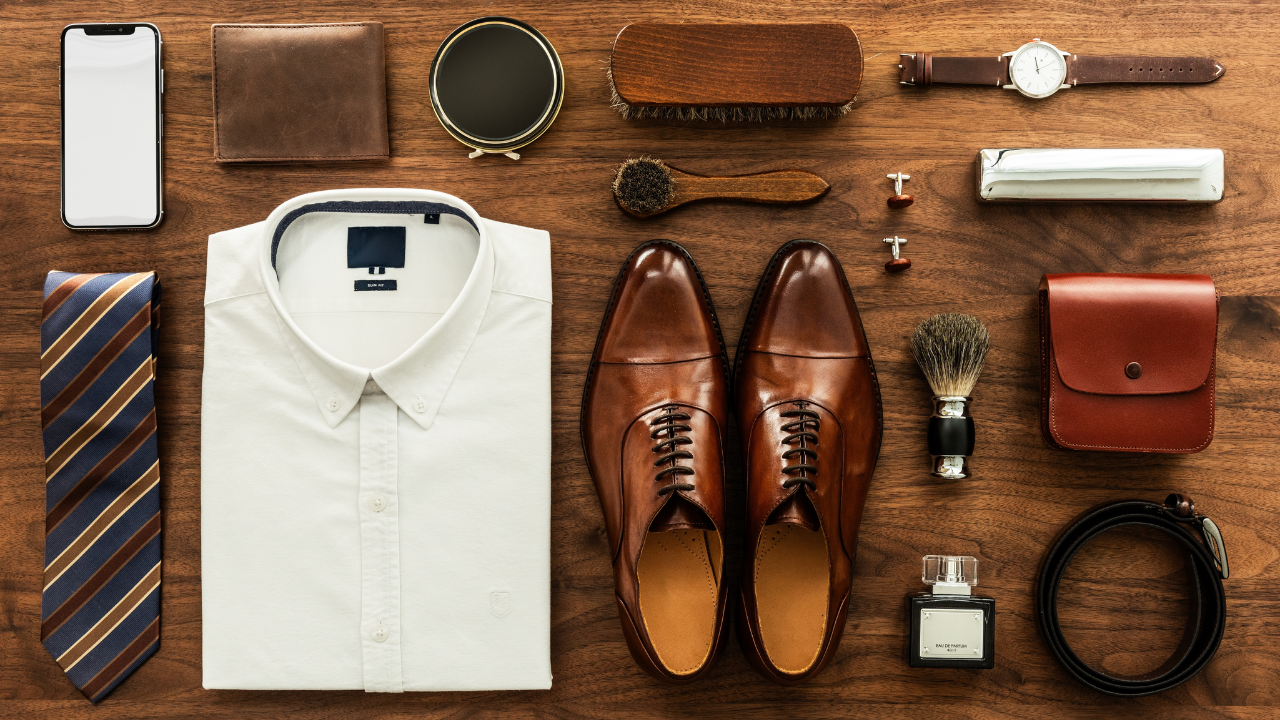
Accessories that serve a purpose, such as a watch, belt, or everyday bag, can enhance an outfit while remaining functional. These items often feel more intentional because they are chosen for both use and style.
This balance between practicality and appearance creates a grounded look. It suggests thoughtful decision-making without appearing overly styled, contributing to a more approachable and confident impression.
5. Favoring timeless pieces over fast trends
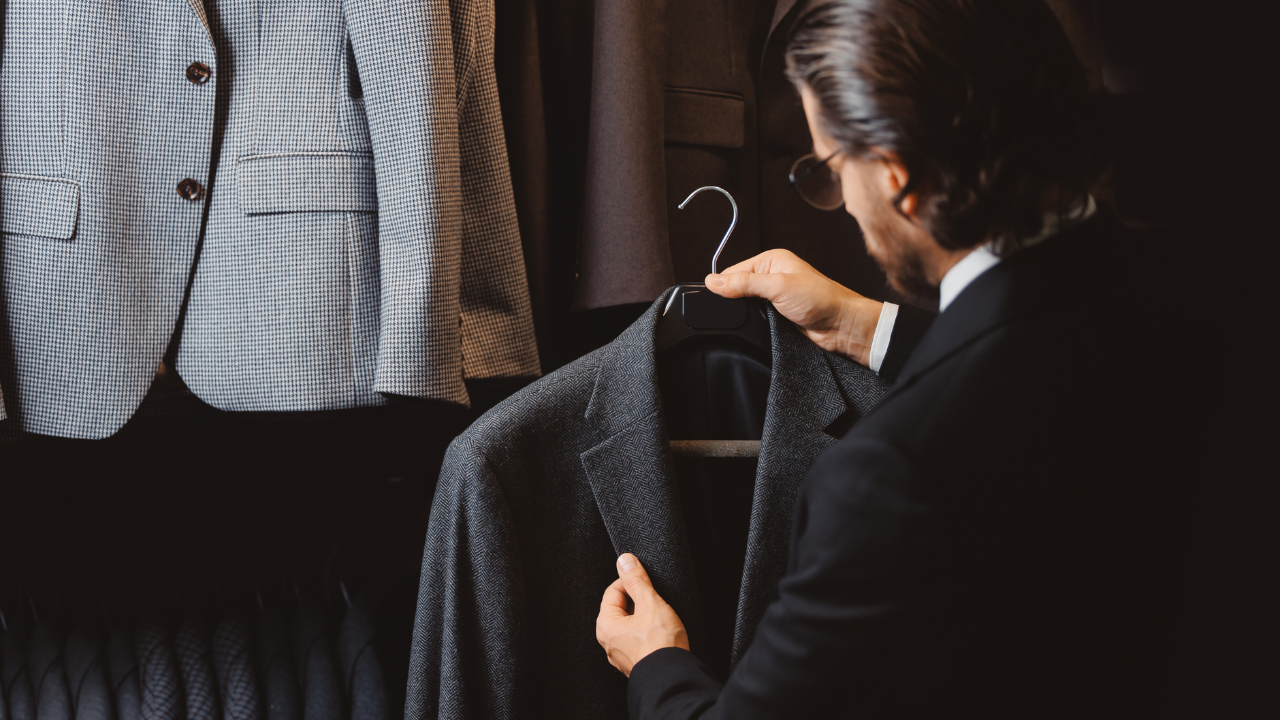
Classic clothing tends to remain relevant over time, making it easier to build a dependable wardrobe. Choosing pieces that are not tied to short-term trends can create a more stable and consistent style.
This approach reflects patience and clarity in personal choices. Rather than constantly changing direction, it shows a preference for items that feel reliable and well-suited to everyday life.
6. Letting comfort guide daily outfits
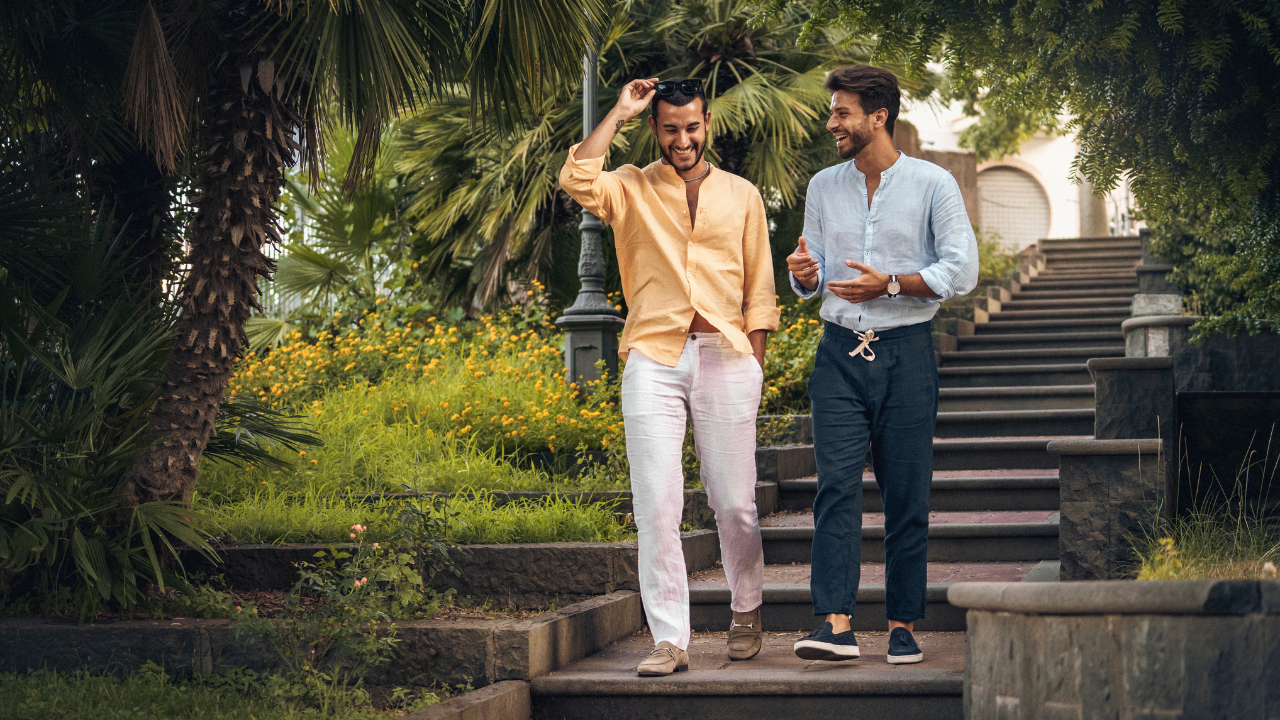
Outfits that align with daily routines tend to feel more natural. When clothing supports movement and fits easily into different activities, it allows for a smoother experience throughout the day.
This ease often translates into confidence. When there is no need to adjust or rethink clothing choices, it becomes easier to focus on other aspects of the day, creating a more relaxed presence.
7. Using layering with intention
Layering can add depth to an outfit without making it complicated. Combining a few well-chosen pieces can create a complete look while still maintaining comfort and practicality.
Thoughtful layering shows awareness of both style and function. It reflects planning while still appearing effortless, which contributes to a balanced and confident overall appearance.
8. Keeping style personal and authentic

Personal style does not need to follow trends or external expectations. Choosing clothing that feels genuine helps create a look that is consistent and easy to maintain.
Authenticity often stands out more than imitation. When style reflects personal preference rather than outside influence, it naturally supports a sense of confidence and self-assurance.
9. Ensuring clothing is well-maintained and clean

Clothing that is free of wrinkles, stains, or damage shows attention to detail and respect for presentation. This subtle level of care eliminates potential distractions and allows the wearer to focus fully on their interactions, projecting an air of intentionality and quiet discipline.
10. Wearing clothes that fit correctly
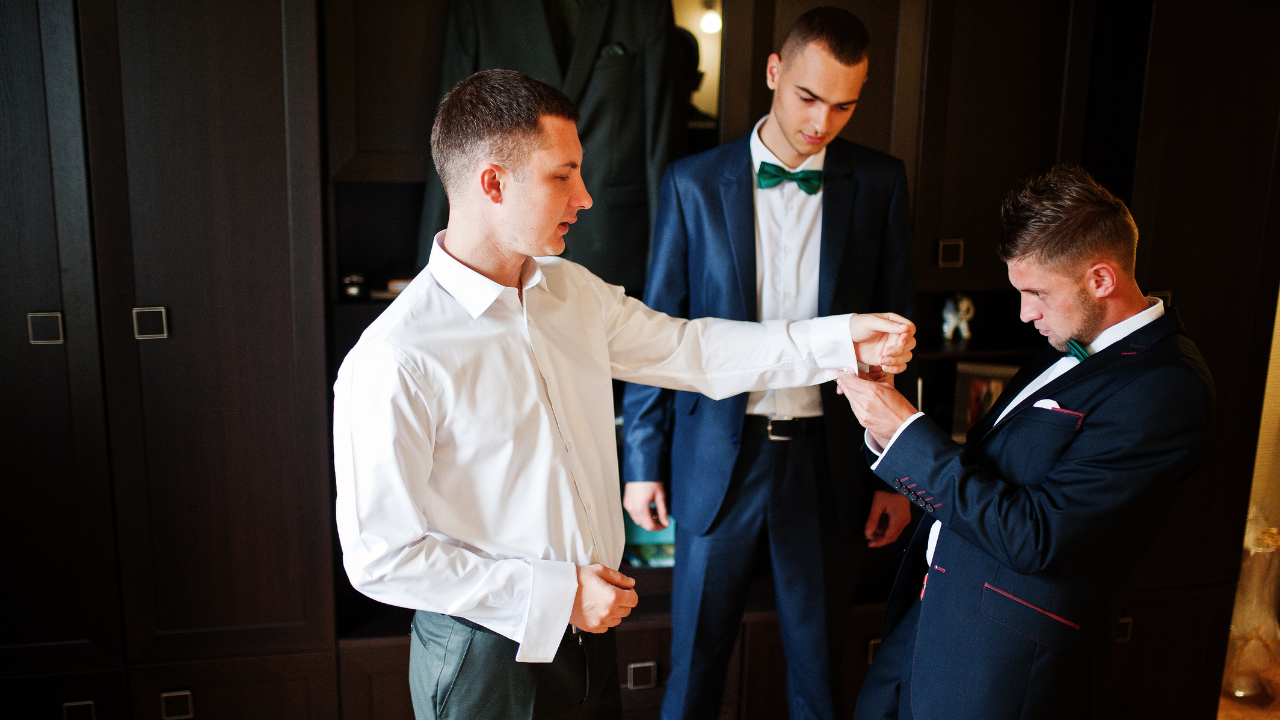
Garments that align properly with the body's natural shape, neither too tight nor too loose, instantly improve posture and presence. When clothes fit well, the focus remains on the individual, not the outfit, reinforcing a feeling of control and competence.
Comments (0)
No comments yet. Be the first to share your thoughts!