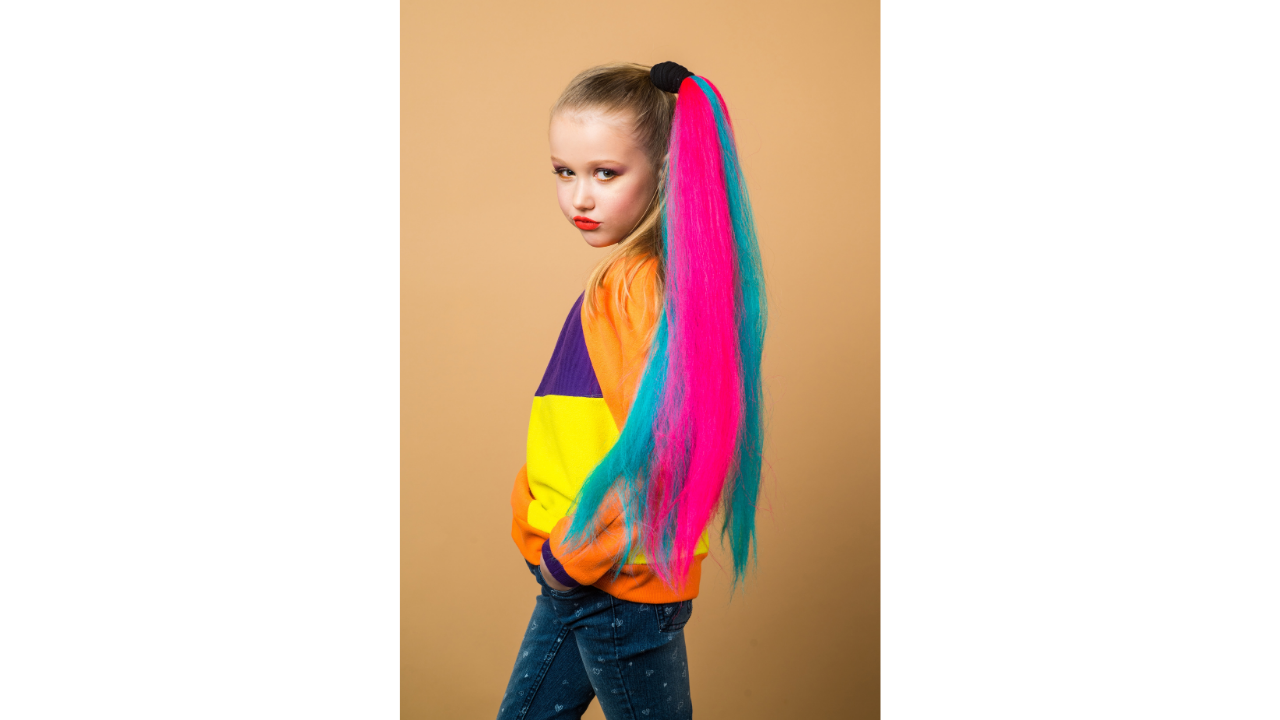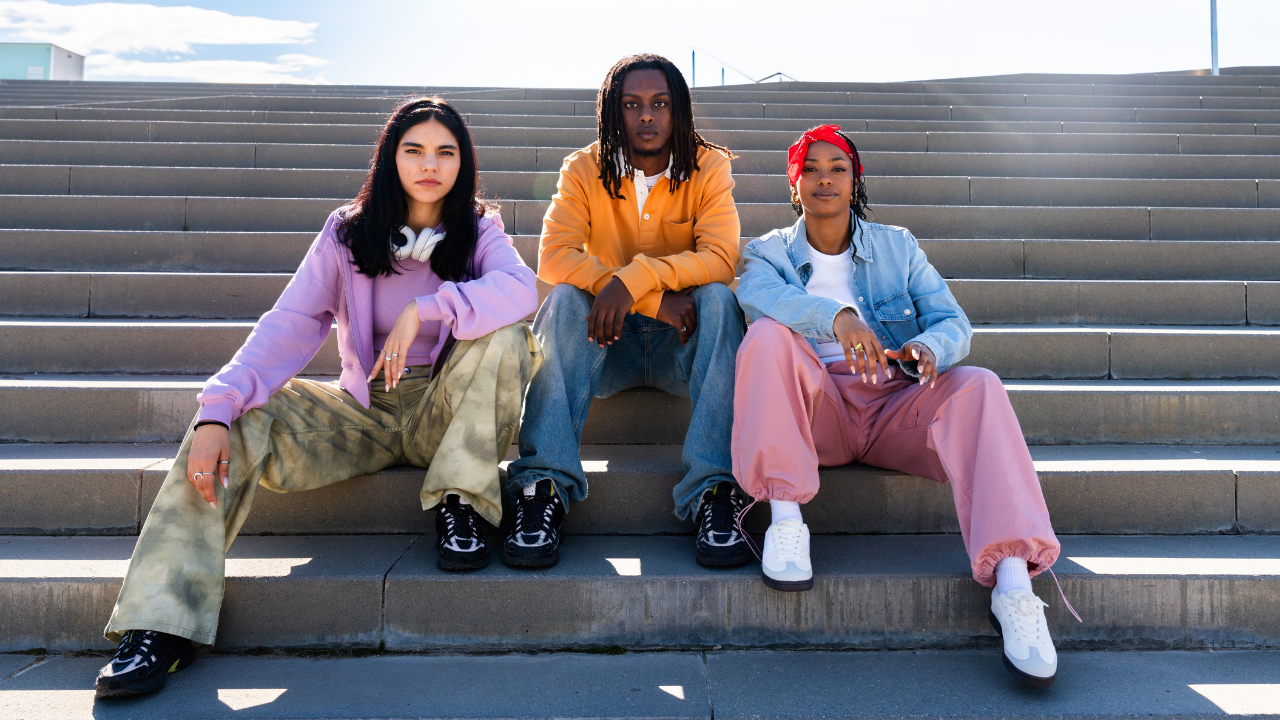
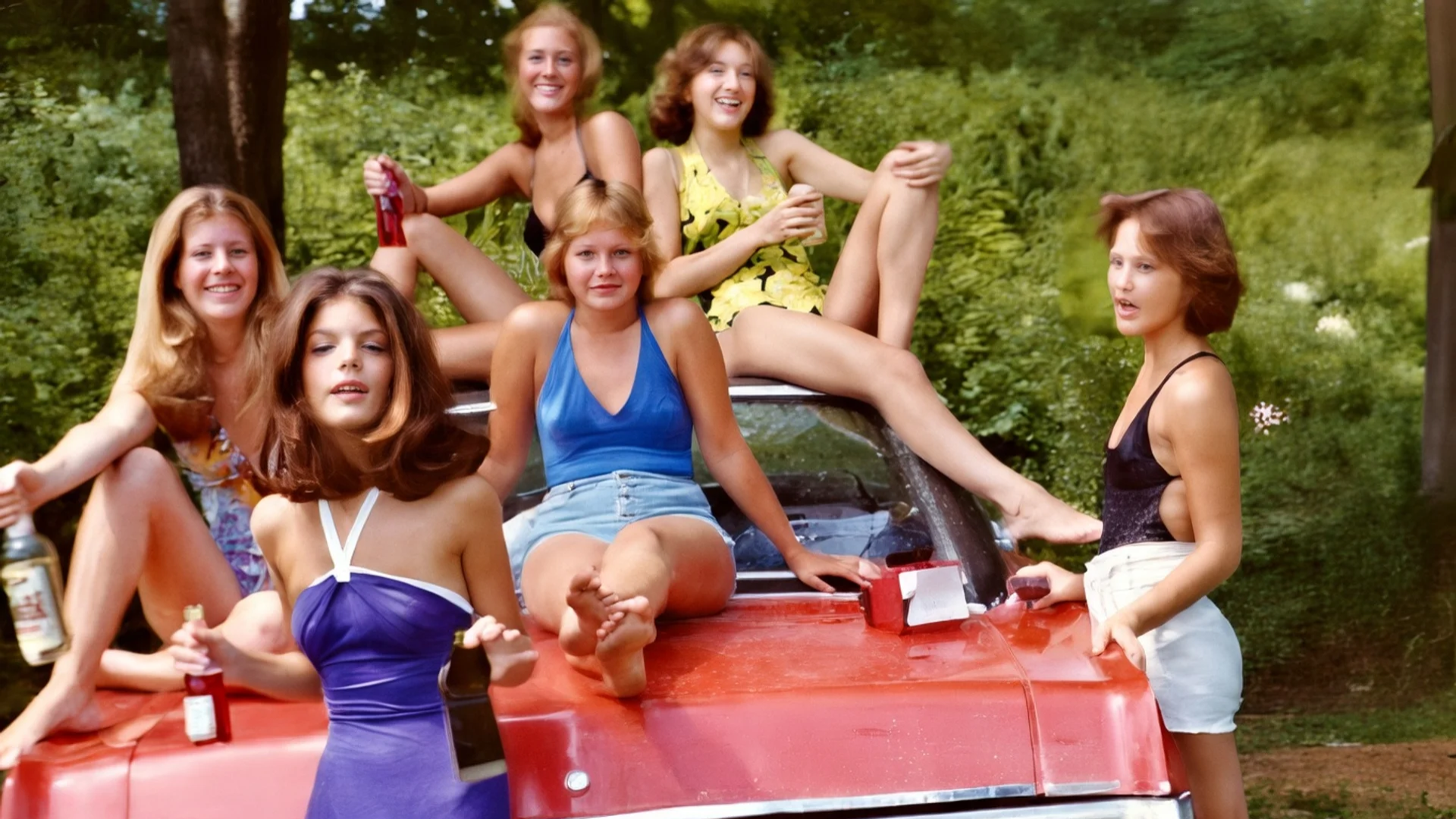
The 1980s transformed teen culture in America, blending bold fashion, music, and lifestyle choices into a decade that celebrated individuality and self-expression. From neon brights to street style, teens explored identity through clothing, accessories, and pastimes, creating trends that influenced generations to come. This guide highlights the defining movements that shaped youth culture in the 1980s.
1. Malls as the social hub

Shopping centers became more than just a place to purchase items; they were the epicenters of teen life. Food courts, movie theaters, and record stores created spaces for friends to gather, socialize, and see and be seen. Malls offered freedom, safety, and air-conditioned comfort, becoming a stage for adolescent friendships, romance, and cultural exchange.
2. The music video revolution
MTV’s arrival in the early 1980s changed how teens interacted with music, merging visuals with sound. Pop icons became style leaders, inspiring teens to mimic fashion, hairstyles, and dance moves from music videos. Bedrooms filled with posters, and daily routines often revolved around watching the latest videos, turning music into a shared social language.
3. Big hair and bold hairstyles
Voluminous hair was a definitive statement of the decade. Teens spent hours teasing, curling, and applying generous amounts of hairspray to achieve height and texture. Both boys and girls experimented with styles like mullets, feathered layers, and teased bangs, turning hair into a visible symbol of individuality, rebellion, and confidence across classrooms and social events.
4. Breakdancing and streetwear
Urban dance movements like breakdancing brought street culture into suburban life. Teens practiced spins, freezes, and footwork in schoolyards, gyms, and sidewalks, often wearing athletic-inspired clothing. Tracksuits, high-top sneakers, and branded sneakers became iconic, with street fashion reflecting energy, creativity, and the emerging hip-hop influence on youth identity.
5. Portable music with the Walkman
The Sony Walkman gave teens the unprecedented freedom to carry music anywhere. Cassettes and headphones allowed personal soundtracks for daily routines, from commuting to exercising. Music became an intimate experience, shaping moods and style choices, as teens coordinated outfits with their favorite bands and songs while maintaining independence in public spaces.
6. Arcade culture and gaming obsession

Arcades attracted teens with flashing screens and competitive gameplay. Titles like Pac-Man, Donkey Kong, and Space Invaders turned malls and local arcades into buzzing social hubs. High scores became a badge of pride, and group competitions encouraged camaraderie, making arcade gaming a core element of 1980s teen culture and entertainment.
7. Leg warmers and aerobics fashion
Fitness-inspired fashion emerged as a mainstream trend, with leg warmers, bright tights, and sweatbands worn beyond the gym. Influenced by televised aerobics programs, teens embraced bold colors and playful layering, merging athletic practicality with everyday style. These outfits were both functional and expressive, marking a fusion of fitness culture and street fashion.
8. Brat Pack films shaping teen identity
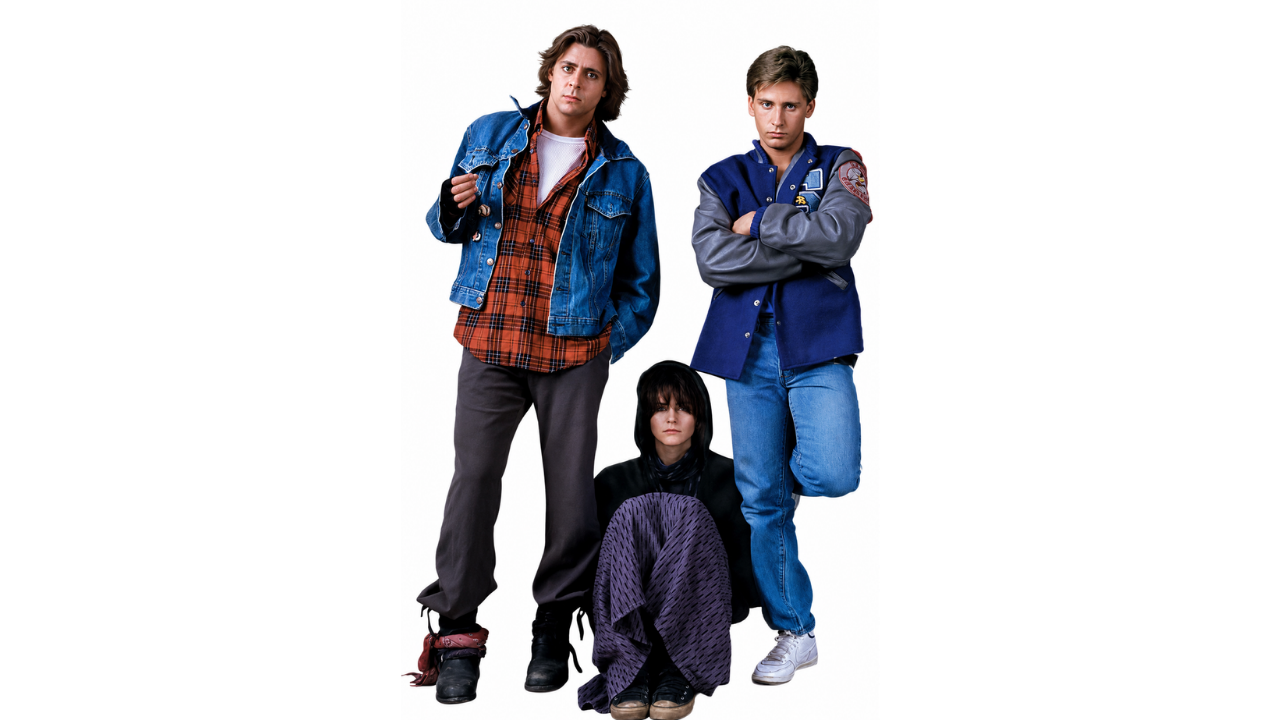
Movies from the Brat Pack era captured adolescent life with relatable characters and storylines. Films such as The Breakfast Club and Sixteen Candles influenced clothing choices, speech, and behavior, giving teens a shared cultural reference. Outfits inspired by on-screen icons sweaters, jackets, and preppy looks became aspirational and emulated across schools and communities.
9. Skateboarding and youth rebellion
Skateboarding exploded from coastal streets to suburban neighborhoods, becoming both a sport and a statement of independence. Teens customized boards with neon graphics, practiced tricks in empty pools, and embraced the culture’s rebellious edge. Skateboarding influenced casual fashion with sneakers, loose-fitting pants, and protective gear, cementing its status as a defining trend of the decade.
10. Designer denim and visible branding

By the mid-1980s, denim had evolved into a symbol of status and self-expression. Brands like Calvin Klein and Guess became iconic, with logo placement and stitching signaling identity and group belonging. Teens invested in high-quality, well-fitted jeans, pairing them with oversized sweatshirts, sneakers, and accessories, making designer denim a hallmark of 1980s youth culture.
Comments (0)
No comments yet. Be the first to share your thoughts!