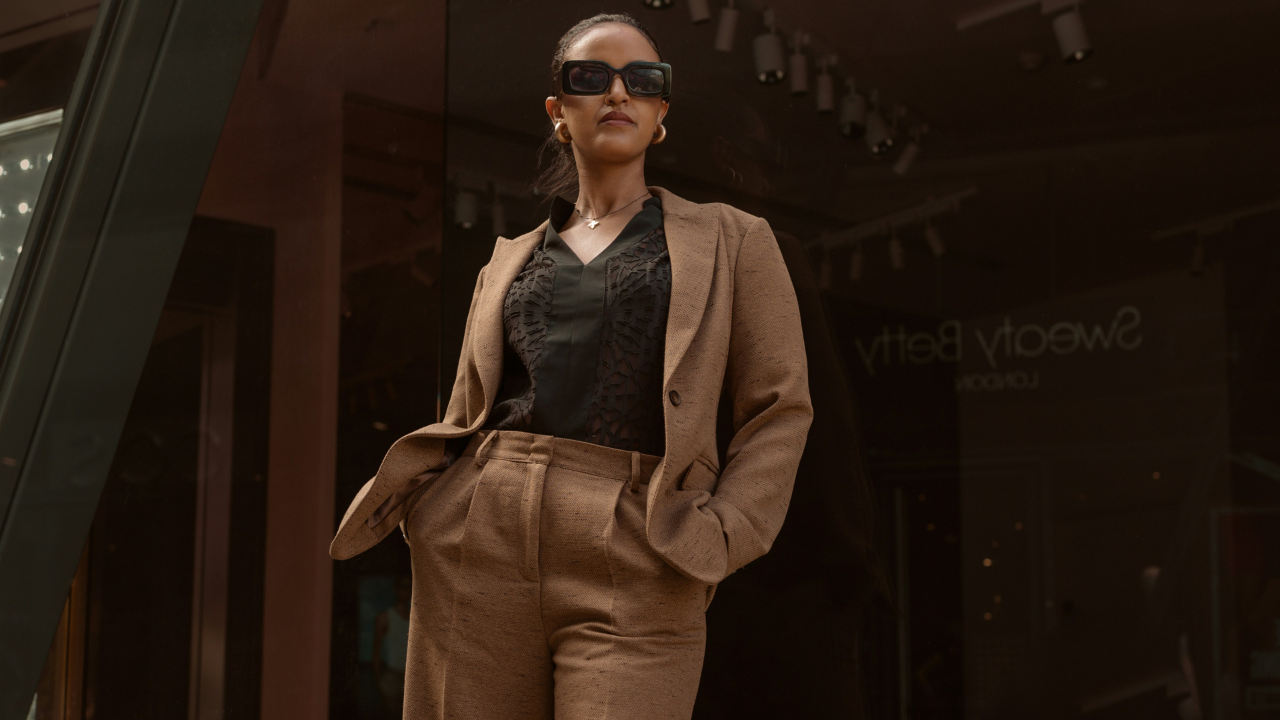
Getting dressed should feel enjoyable and expressive, not overwhelming or restrictive. With the variety available in plus-size fashion today, styling is less about rules and more about understanding what works for your body and personal taste. The right adjustments can elevate even the simplest outfits into something that feels intentional and confident.
These styling ideas focus on proportion, comfort, and visual balance. Each tip is designed to help you refine your look in a practical way while still allowing room for individuality and creativity.
1. Embrace high-waisted silhouettes
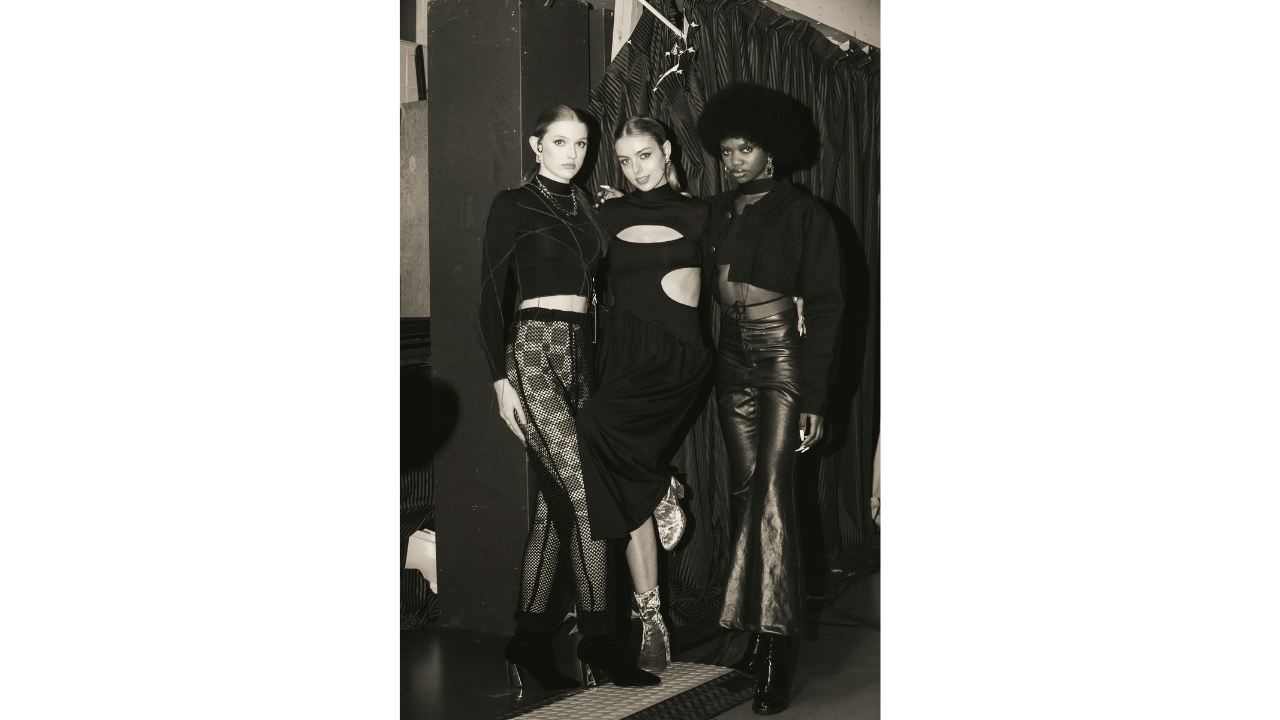
High-waisted pieces are a reliable way to create structure in an outfit. They naturally define the waist and help create a balanced silhouette by drawing attention upward. This can make the overall look feel more put together, especially when paired with tops that are tucked in or slightly cropped.
In addition to shaping the outfit, high-waisted styles also improve comfort by providing better support around the midsection. Whether you are choosing jeans, trousers, or skirts, the key is finding a rise that feels natural and allows ease of movement throughout the day.
2. Try monochromatic dressing
Monochromatic dressing involves wearing shades from the same color family to create a smooth and uninterrupted look. This approach helps avoid visual breaks, allowing the outfit to feel more cohesive and streamlined. It can also make styling simpler, as pieces naturally work well together.
To keep the look from feeling flat, focus on mixing textures and fabrics within the same color palette. Combining materials like cotton, denim, or knits adds depth while maintaining the overall harmony of the outfit.
3. Invest in proper tailoring
Clothing that fits well can completely transform how an outfit looks. Even the most stylish piece may not feel right if the proportions are off. Tailoring helps refine the fit, ensuring that garments align with your body rather than working against it.
Simple adjustments such as hemming pants or shaping a waistline can make a noticeable difference. While tailoring may require an extra step, it often results in a more polished appearance and helps extend the life of your wardrobe.
4. Choose balanced prints and patterns
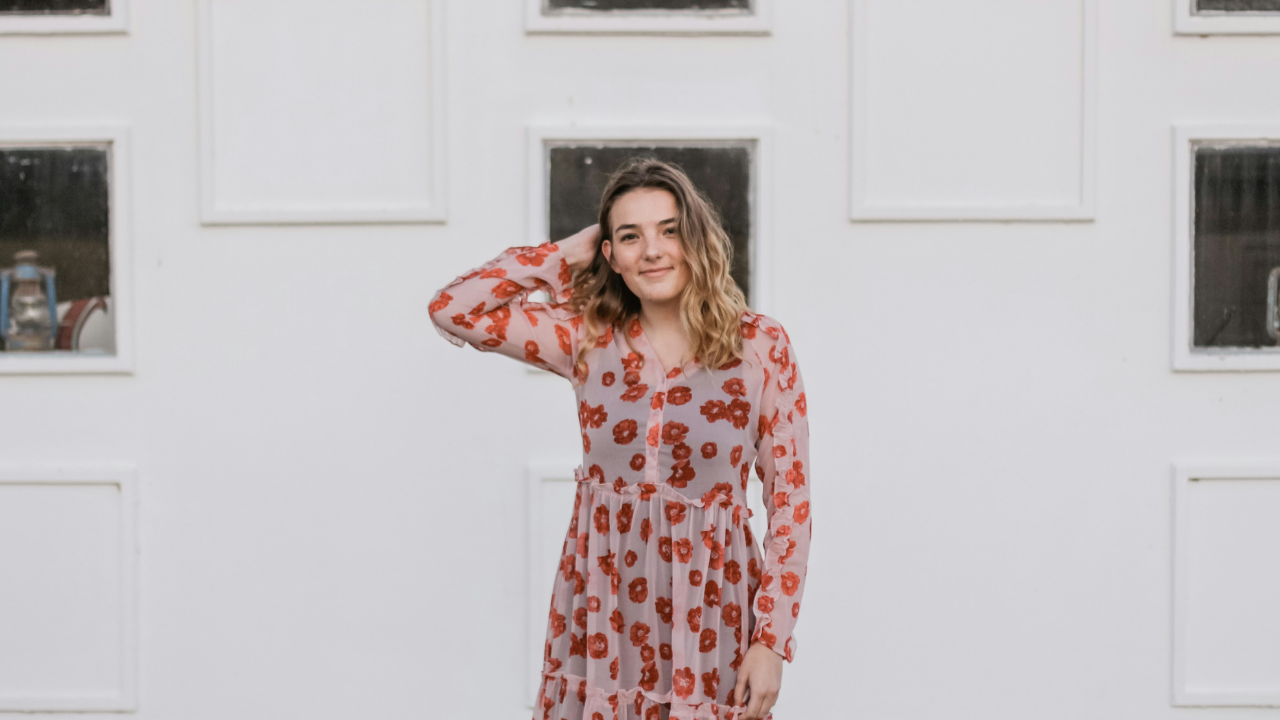
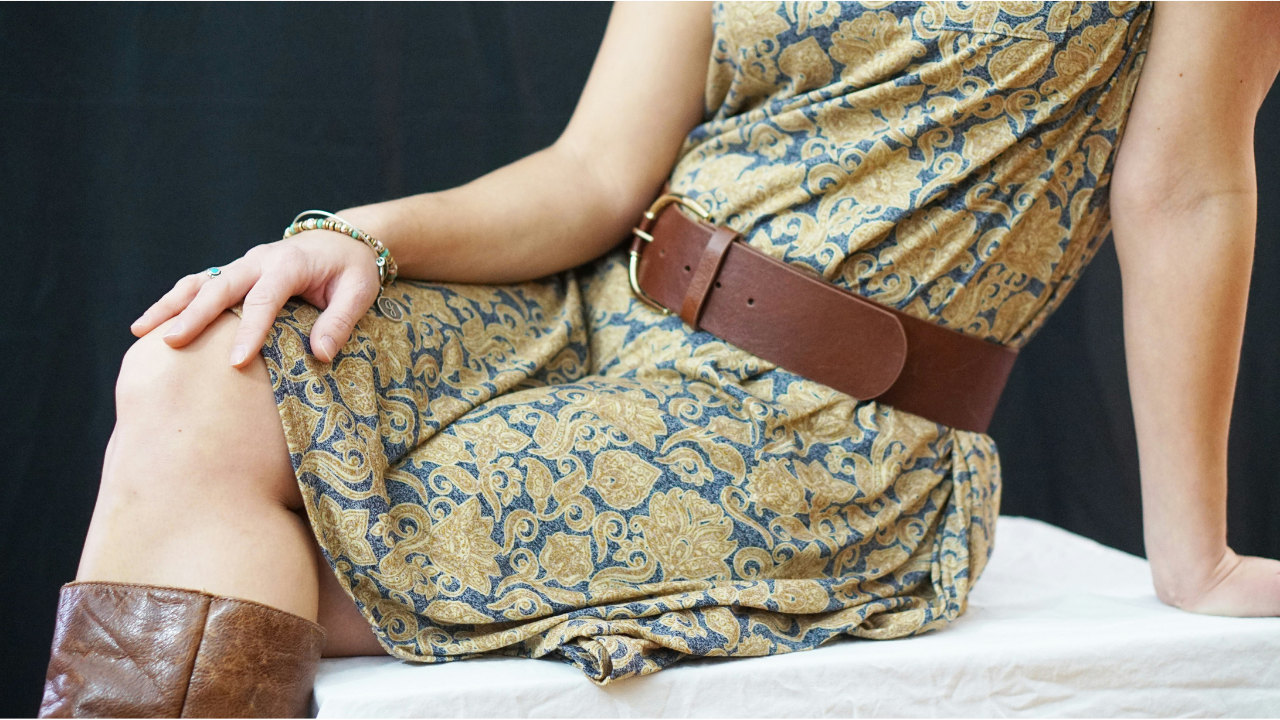
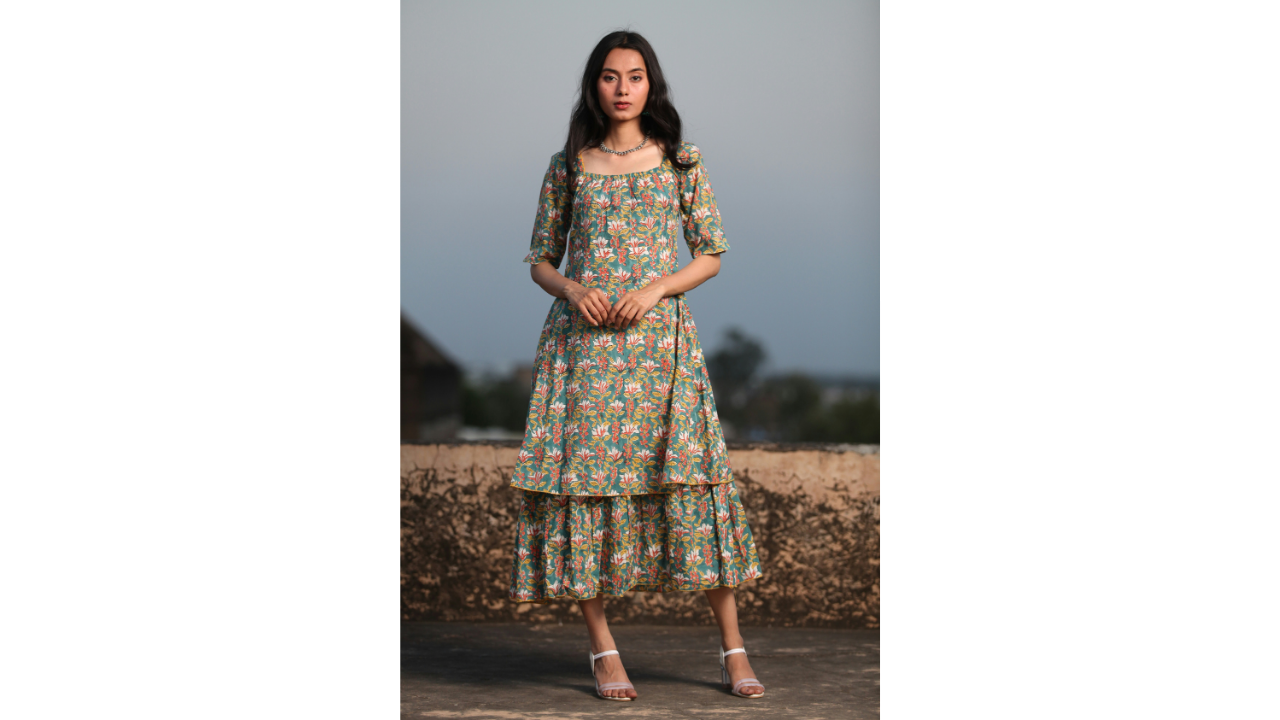
Patterns can bring personality to an outfit, but their scale plays an important role in how they appear. Medium or smaller prints tend to create a more balanced look, while very large patterns may dominate the outfit and distract from its overall shape.
If you enjoy bold prints, consider using them as a focal point by pairing them with solid pieces. This approach keeps the outfit visually interesting while maintaining a sense of balance and cohesion.
5. Pay attention to footwear choices
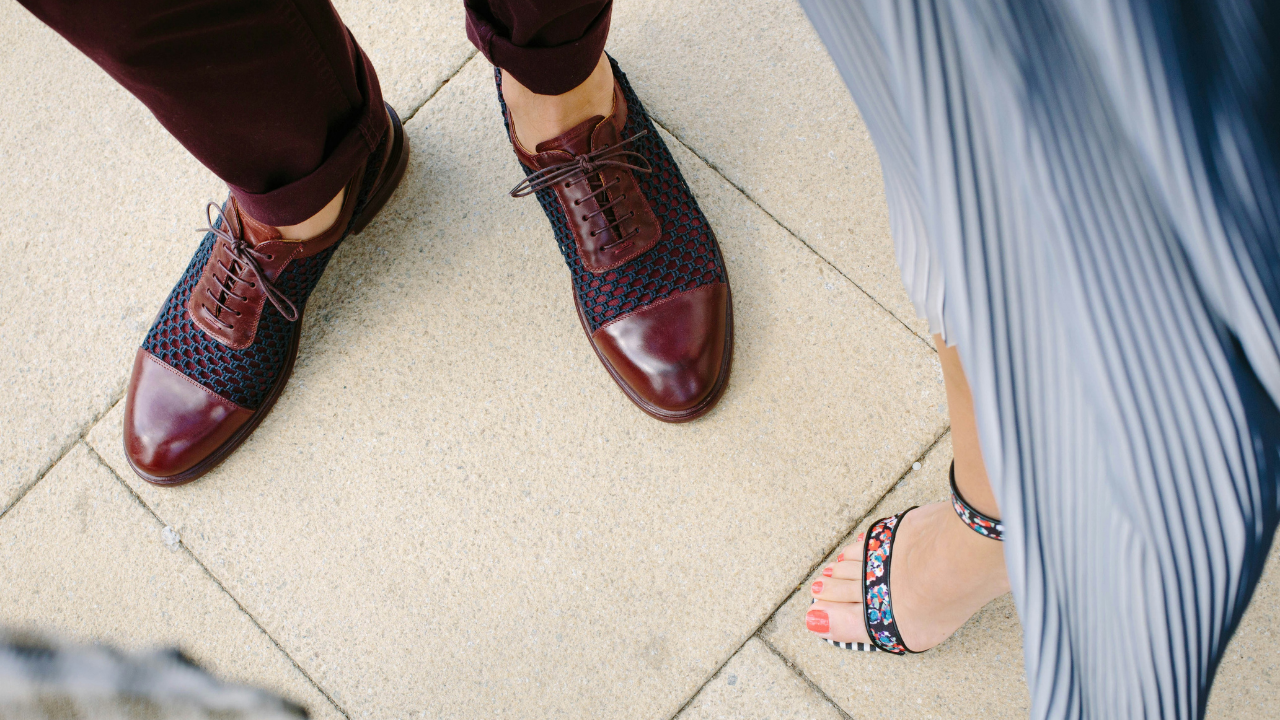
Footwear has a strong impact on the overall look of an outfit. The right shoes can enhance posture, improve comfort, and create a more refined finish. Styles that elongate the leg line, such as pointed-toe shoes or those that blend with your outfit, can help create a more continuous appearance.
Comfort is equally important, especially for daily wear. Choosing shoes that support movement while complementing your outfit ensures that your look feels both practical and well considered.
6. Get the right pant length
Pant length can influence how balanced an outfit appears. Pants that are too long may gather at the hem, while shorter lengths may interrupt the visual flow. Finding a length that fits neatly at the ankle or lightly touches the shoe helps maintain a clean silhouette.
This small adjustment can make an outfit feel more intentional. Paying attention to details like this ensures that each piece works together rather than competing for attention.
7. Layer with intention
Layering is an effective way to add dimension to an outfit, but it works best when done thoughtfully. Choosing lighter, well-fitted layers helps avoid unnecessary bulk and keeps the overall look structured.
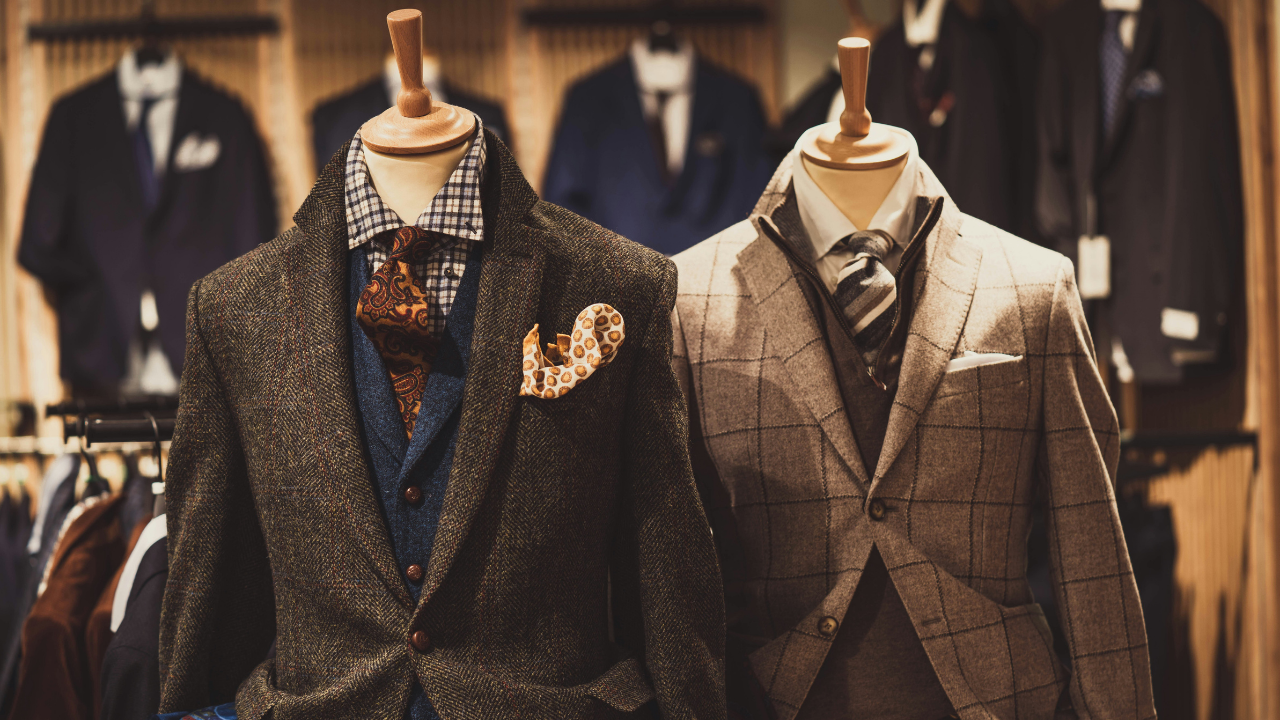
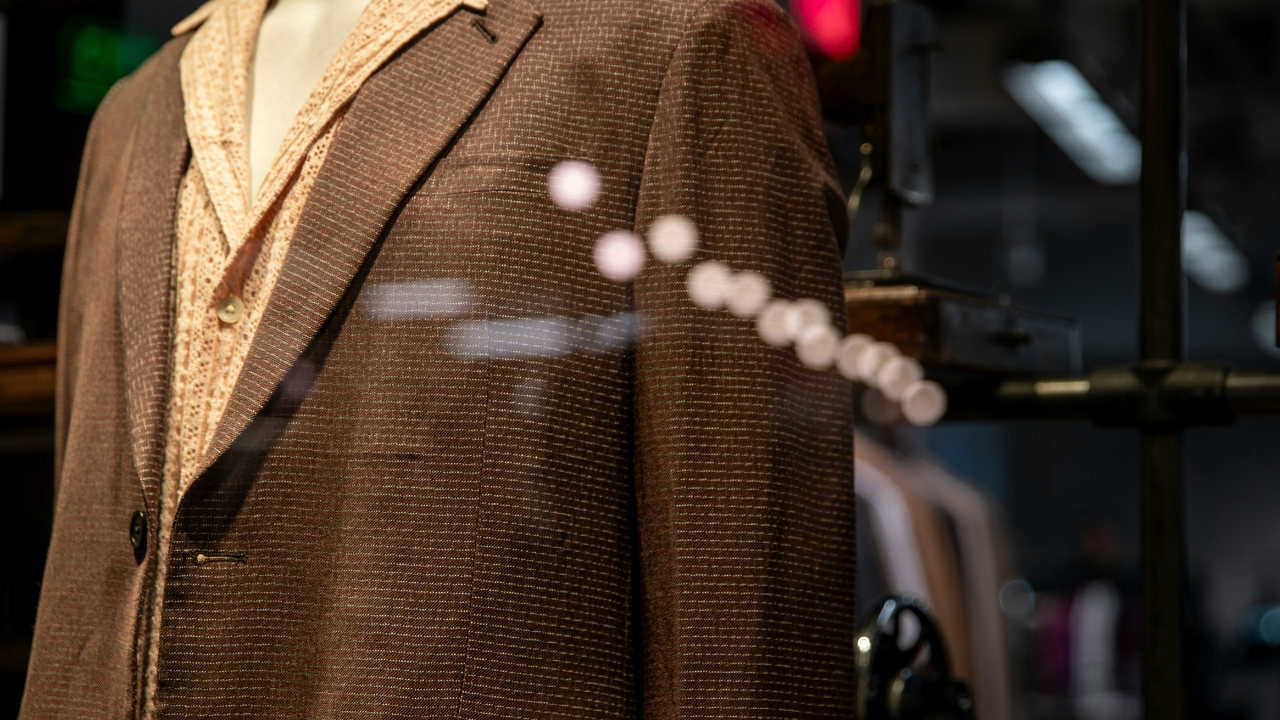
Pieces like blazers or cardigans can define the shape while adding depth. Limiting the number of layers ensures that the outfit remains comfortable and visually balanced rather than overwhelming.
8. Incorporate vertical elements
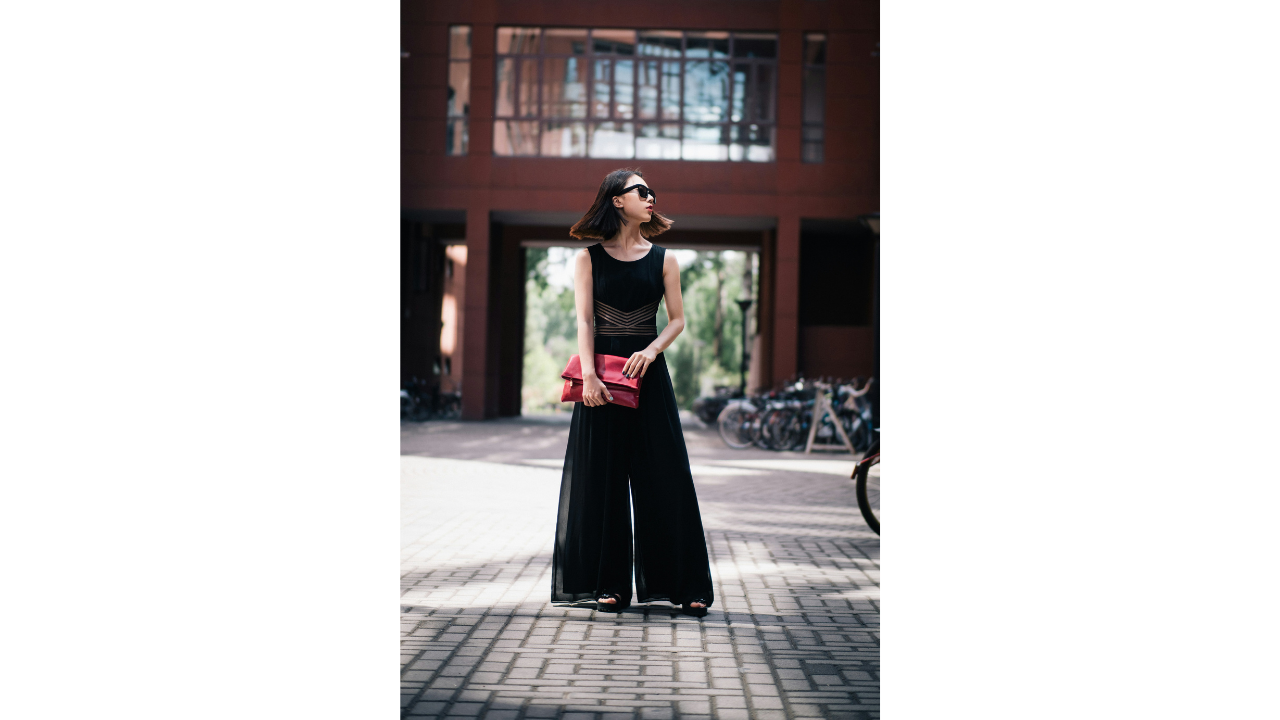
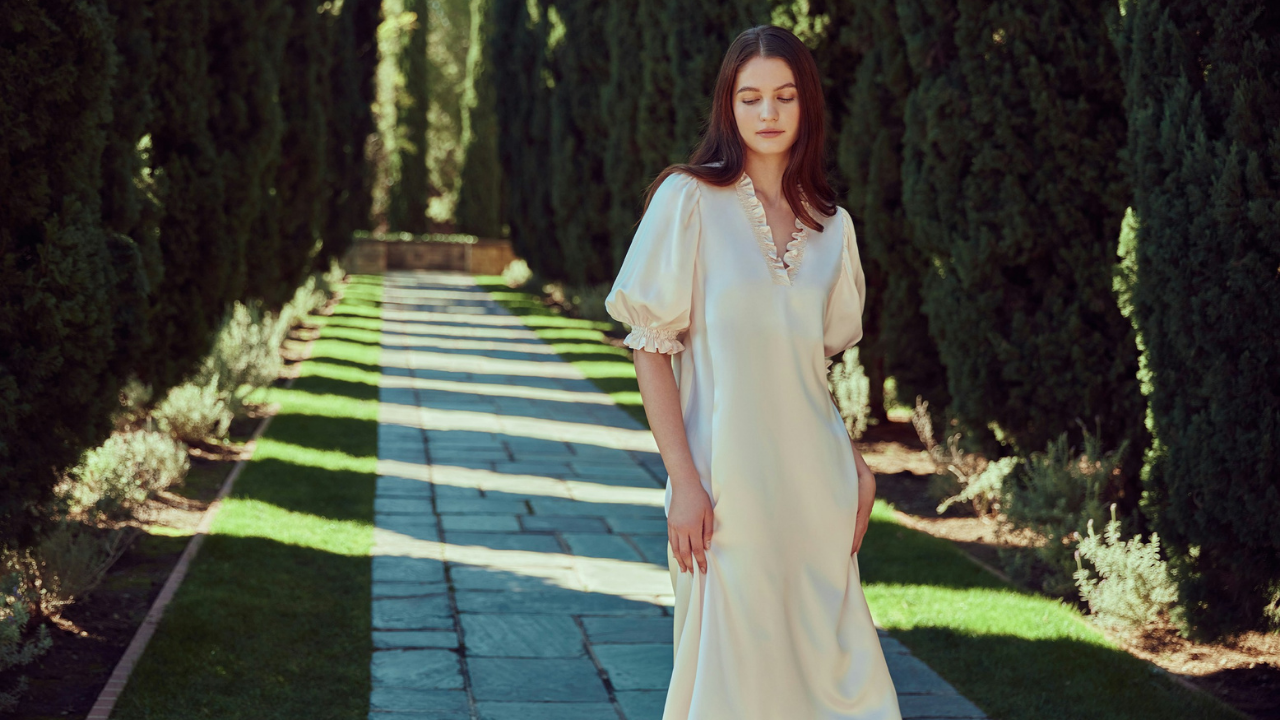
Vertical lines help guide the eye upward and downward, creating a lengthening effect. This can be achieved through clothing details such as seams, button lines, or long outerwear.
Accessories can also contribute to this effect. Items like long necklaces or scarves worn straight down can subtly enhance the overall silhouette without requiring major changes to your wardrobe.
9. Choose flattering jacket lengths
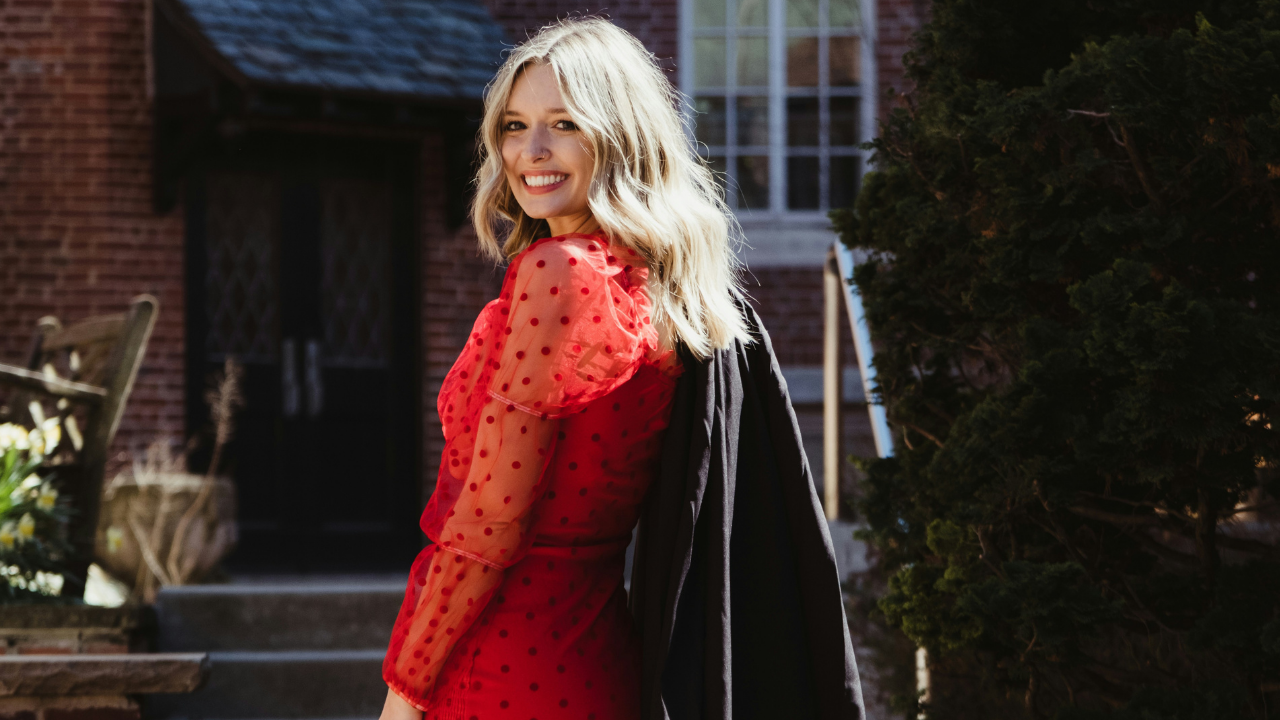
The length of a jacket plays a key role in how proportions are perceived. Jackets that end at the waist or just below often create a more balanced look by highlighting natural body lines.
Avoid lengths that cut across wider areas, as they can disrupt the flow of the outfit. Selecting the right jacket length helps maintain a clean and cohesive appearance.
10. Accessorize thoughtfully
Accessories are an opportunity to add personality to an outfit, but they should complement rather than overpower the overall look. Choosing pieces that align with your style helps create a cohesive appearance.
Well-chosen accessories, such as structured bags or simple jewelry, can enhance the outfit while keeping it balanced. The goal is to add detail without taking attention away from the overall look.
Comments (0)
No comments yet. Be the first to share your thoughts!