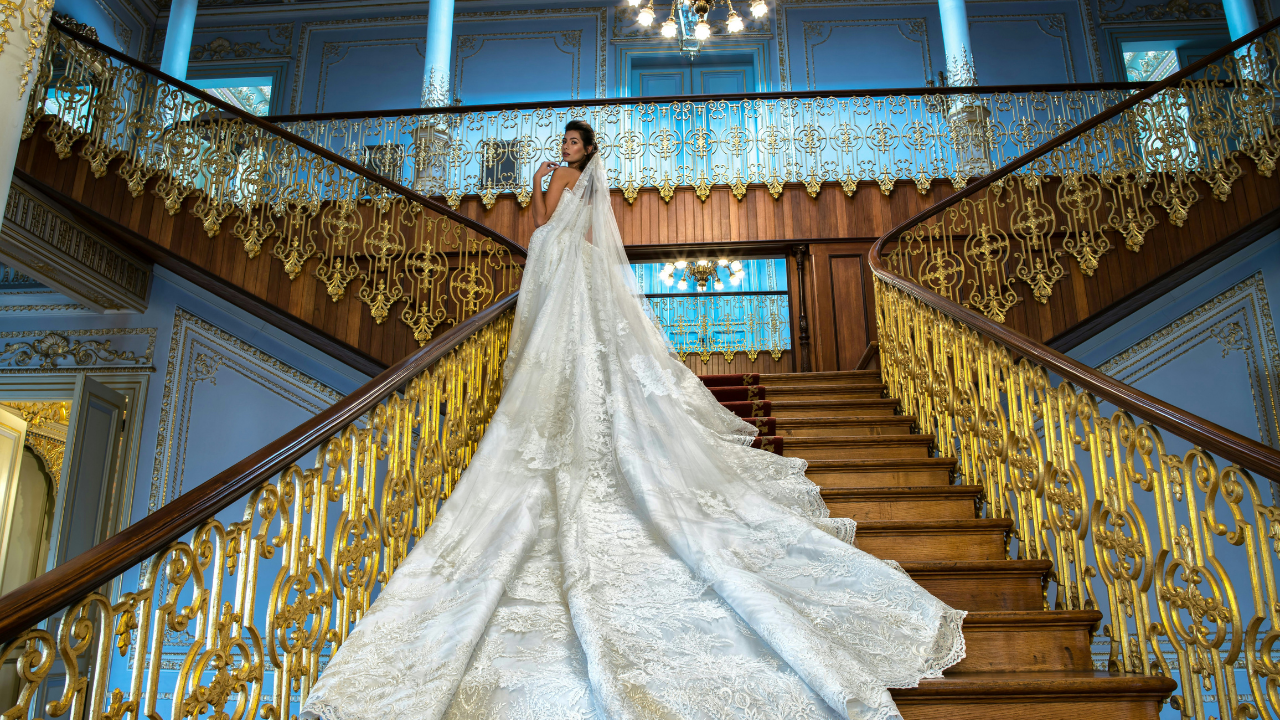
Weddings are deeply rooted in culture, and what a bride wears often reflects centuries of tradition, identity, and symbolism. While white gowns are widely recognized in many Western countries, they are far from universal. Across the globe, bridal attire varies in color, fabric, and meaning, offering a glimpse into each region’s heritage. These wedding styles highlight how different cultures celebrate one of life’s most important moments.
1. Ghana
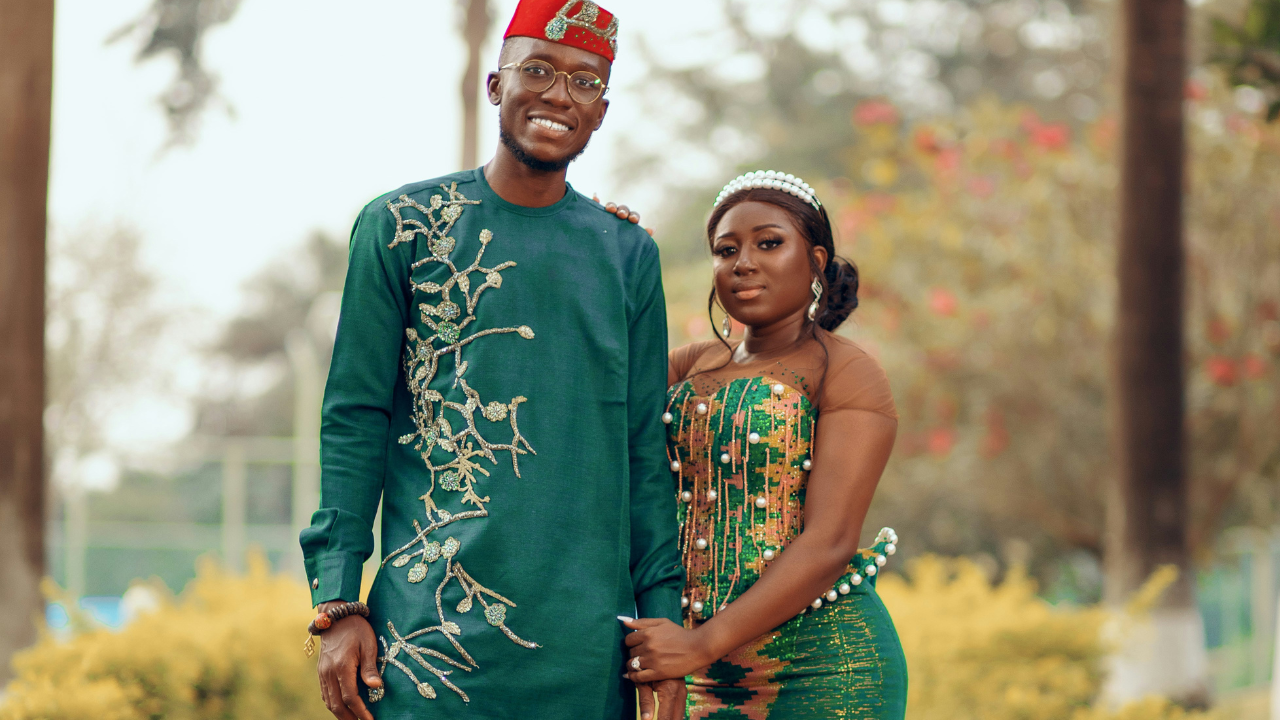
Bridal fashion in Ghana often features kente, a traditional fabric made from handwoven strips of cotton and silk. Known for its bold patterns and rich colors, kente carries cultural significance and is often chosen to reflect family heritage. The look is both vibrant and deeply symbolic, making it a central part of many ceremonies.
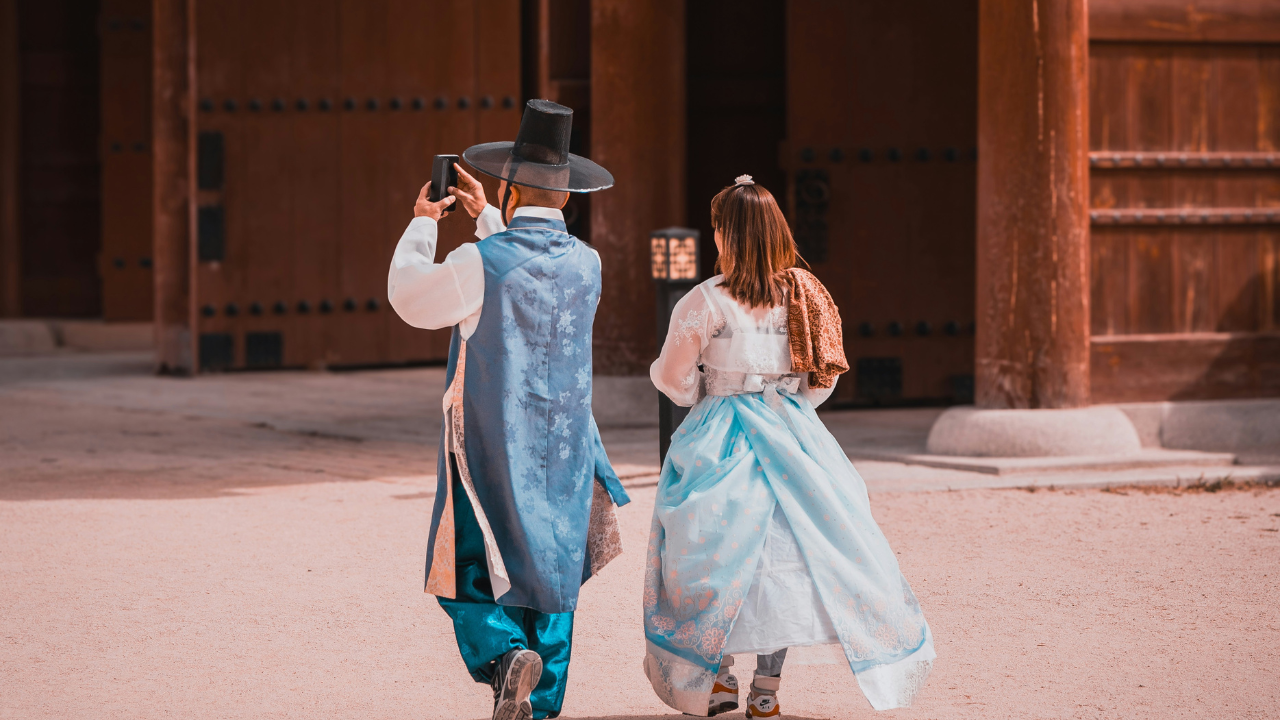
2. South Korea
The hanbok is a traditional garment worn by many South Korean brides, known for its graceful lines and vibrant colors. It typically features a high-waisted skirt and a short jacket, creating a balanced and elegant silhouette. Even in modern weddings, it is often worn for part of the ceremony.
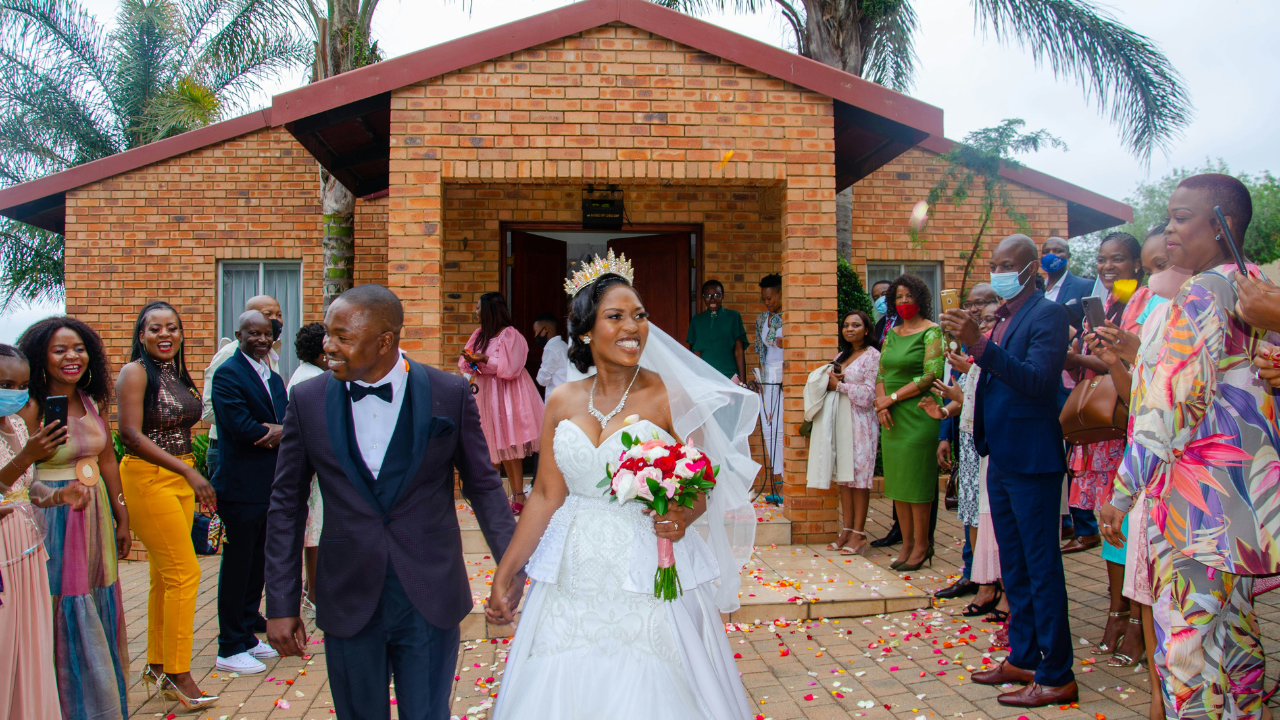
3. South Africa
Wedding attire in South Africa varies widely due to its diverse cultural landscape. Many brides incorporate shweshwe fabric, a printed cotton material known for its distinctive patterns. Styles differ depending on tribe, religion, and personal preference.
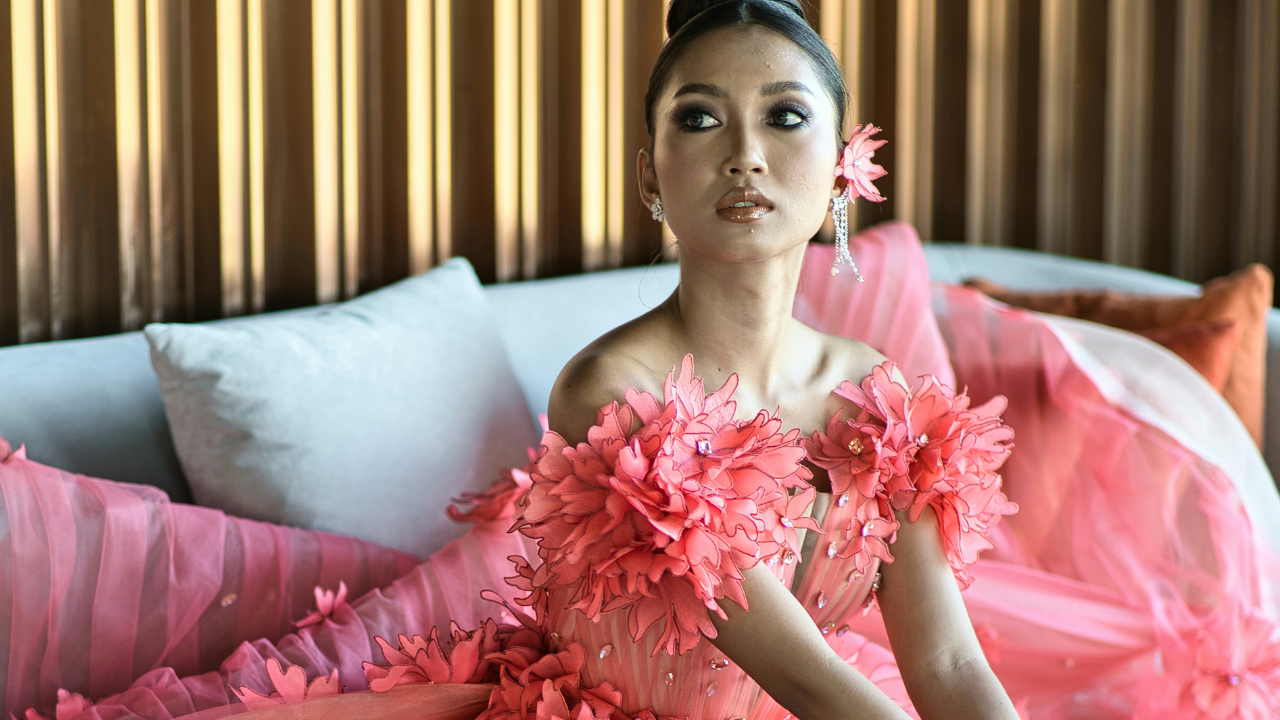
4. Cambodia
Cambodian bridal dresses are often known for their refined appearance and soft, luminous color palette. Shades like gold, pink, and champagne are commonly used, giving the outfits a polished and ceremonial look. The garments often include detailed embroidery and structured silhouettes.
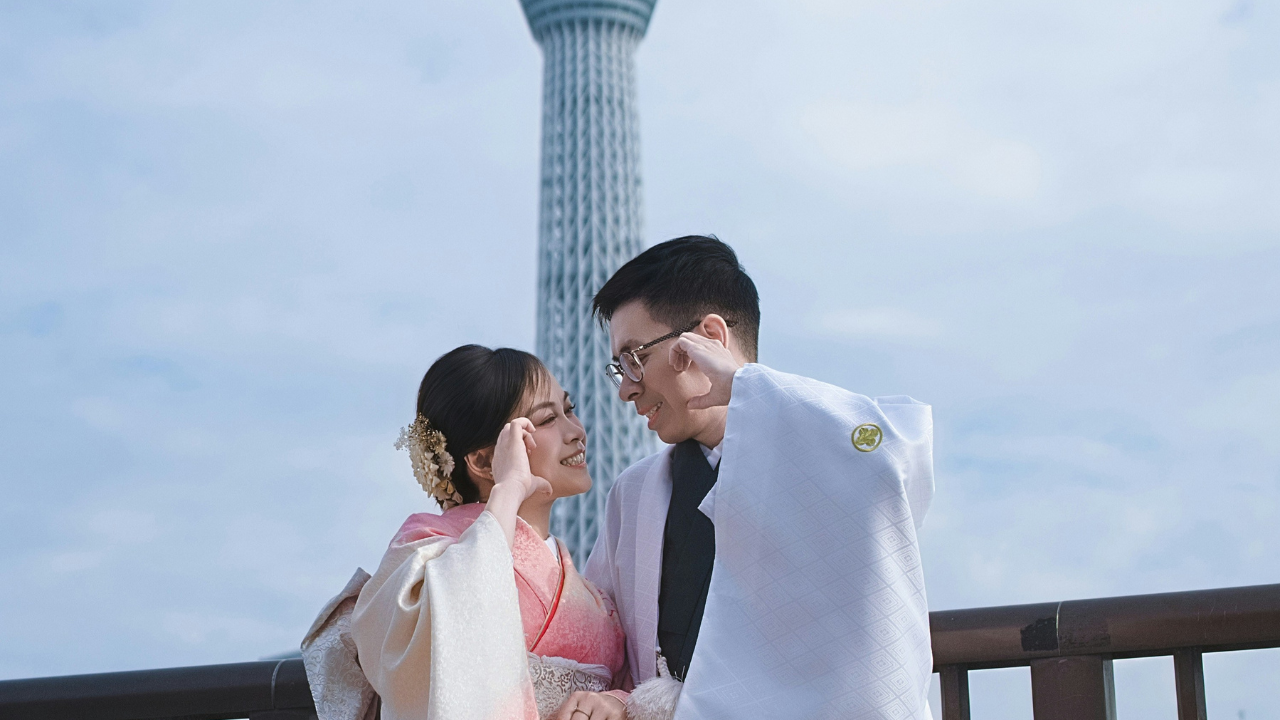
5. Japan
Traditional Japanese weddings may feature more than one outfit, often including both red and white garments. Brides commonly wear a kimono, which is carefully layered and styled for the occasion. Each color and detail can hold cultural meaning.
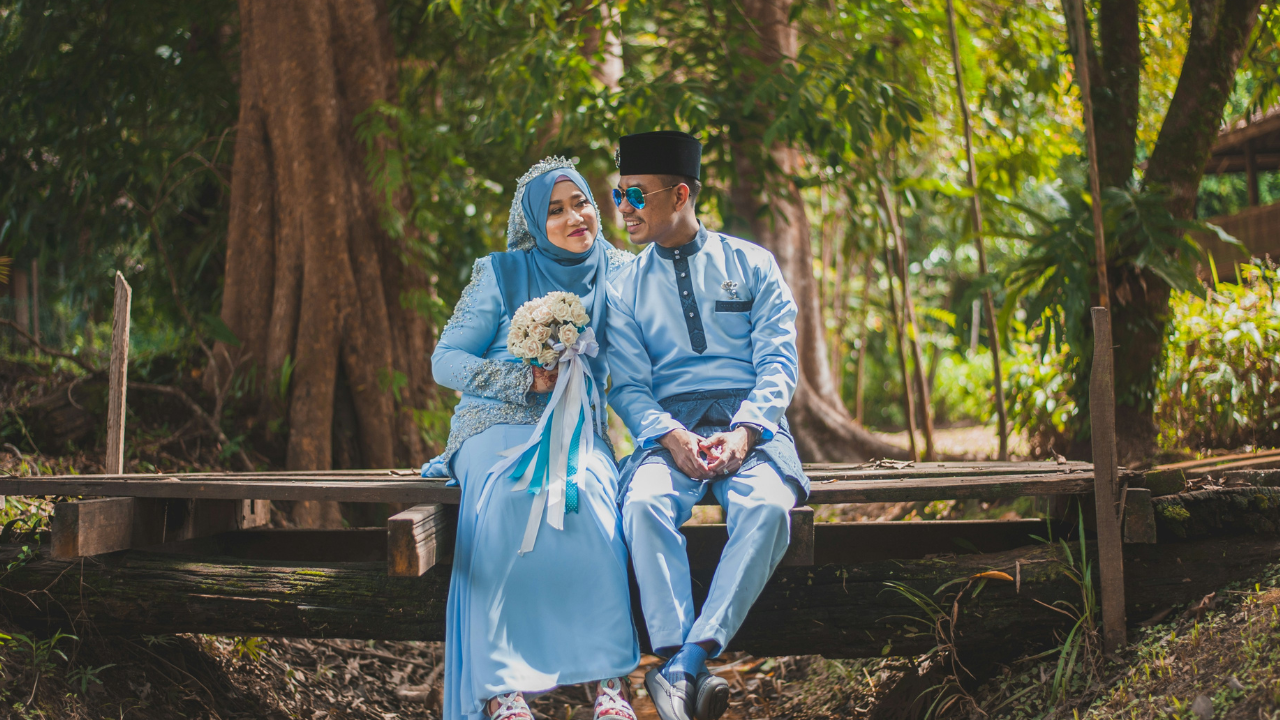
6. Malaysia
In Malaysia, brides often wear the kebaya, a fitted blouse paired with a skirt and styled with a headscarf. The look is elegant and modest, reflecting both cultural and religious influences. Fabrics are often lightweight and detailed.
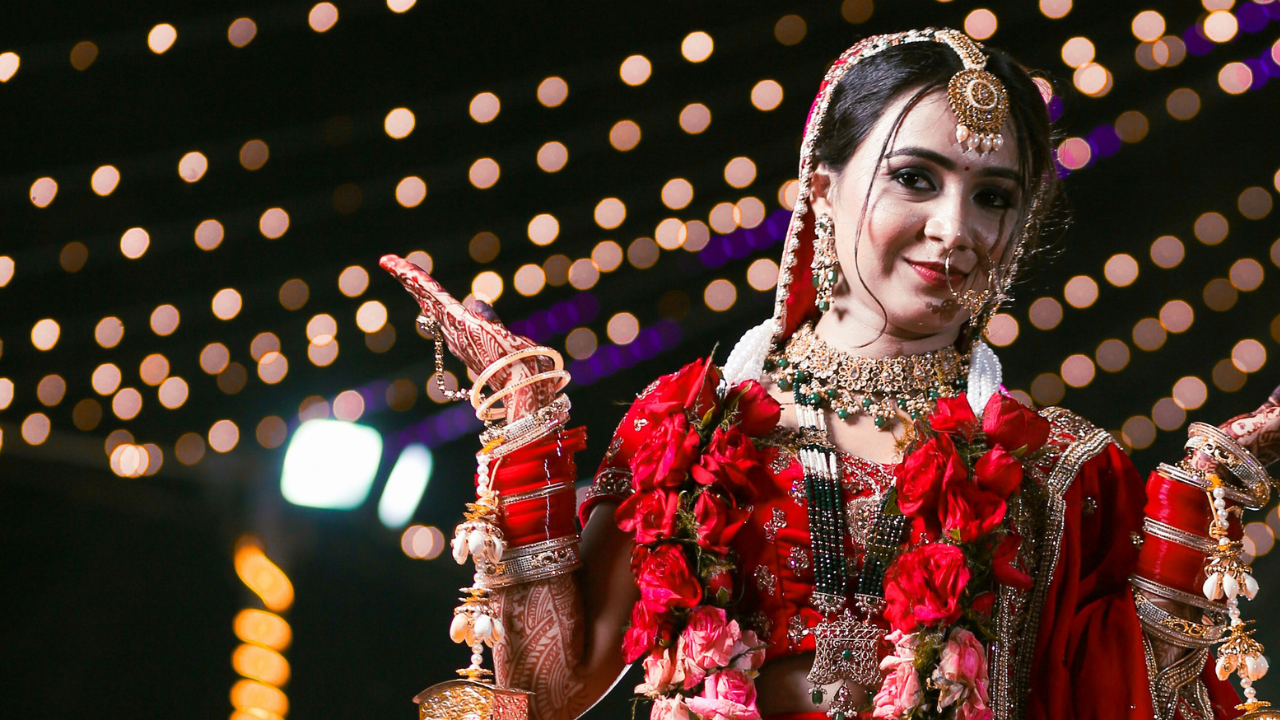
7. India
Indian bridal wear is known for its detailed craftsmanship and rich fabrics. Many brides choose embroidered lehengas featuring intricate patterns and vibrant colors. Jewelry, henna, and makeup are all key elements of the overall look.
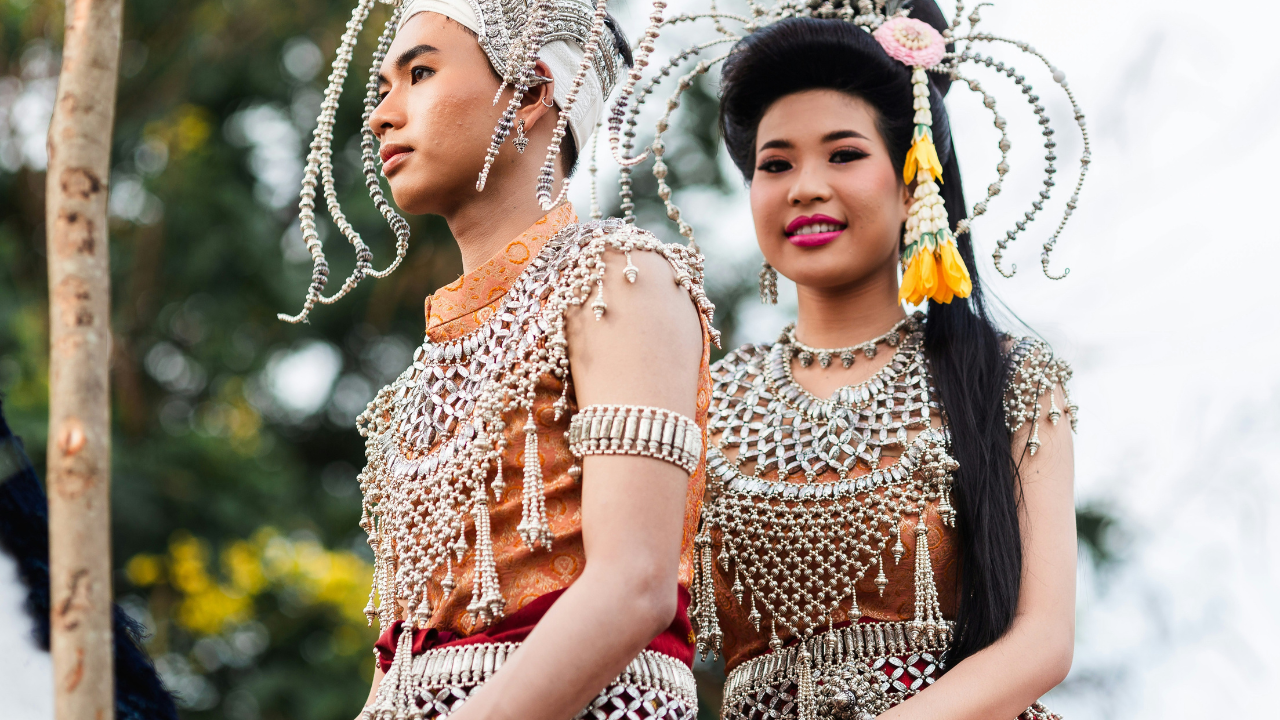
8. Thailand
Thai bridal outfits often include a silk top and skirt set, sometimes paired with a sabai, a shawl-like garment. The use of silk and metallic accents gives the attire a refined finish. The overall look is structured yet graceful.
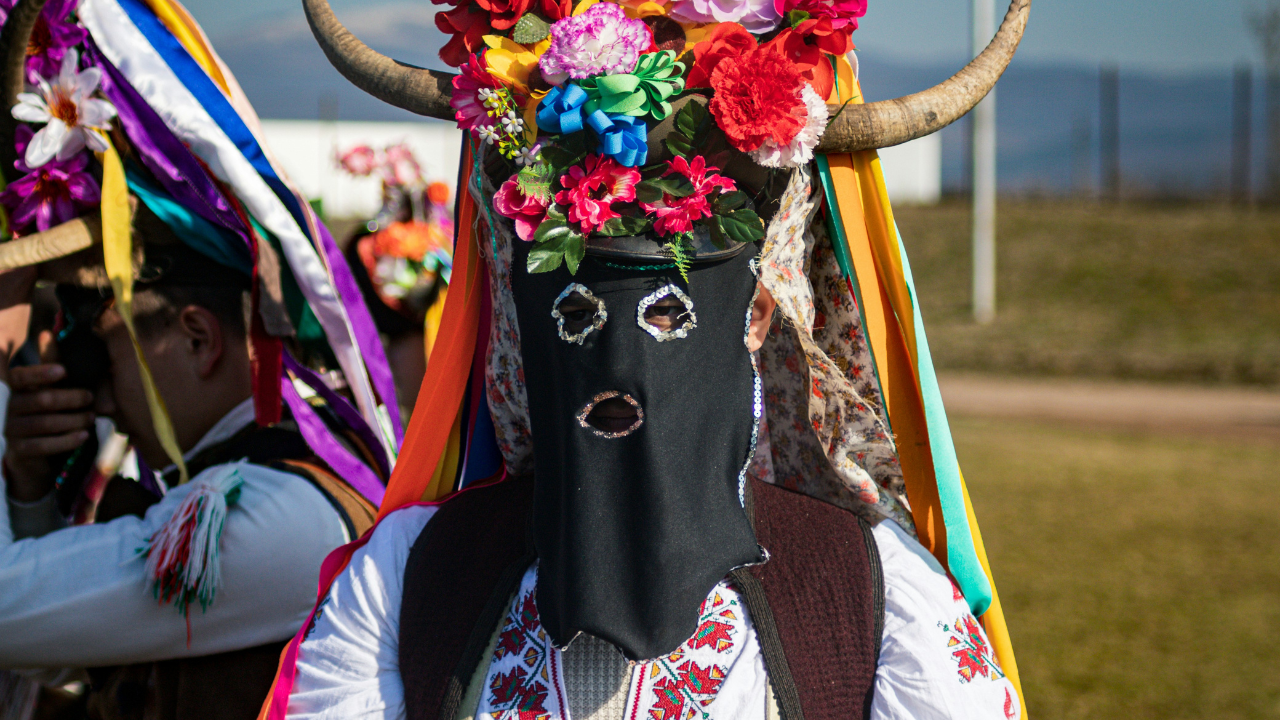
9. Bulgaria
In some traditional Bulgarian weddings, especially among Pomak communities, brides wear distinctive attire that includes decorative face painting and floral elements. The look is ceremonial and visually detailed.
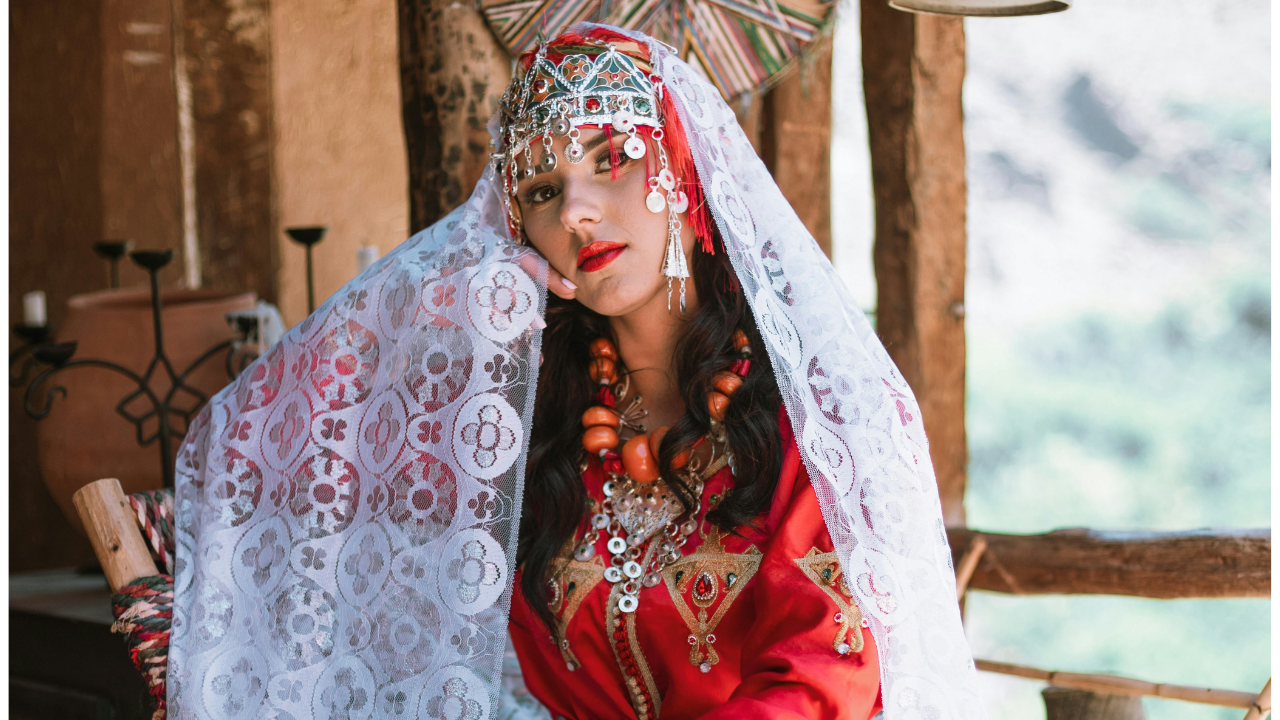
10. Morocco
Moroccan bridal fashion varies by region and culture, often featuring layered garments and rich fabrics. Berber wedding attire, for example, includes bold colors and intricate detailing.
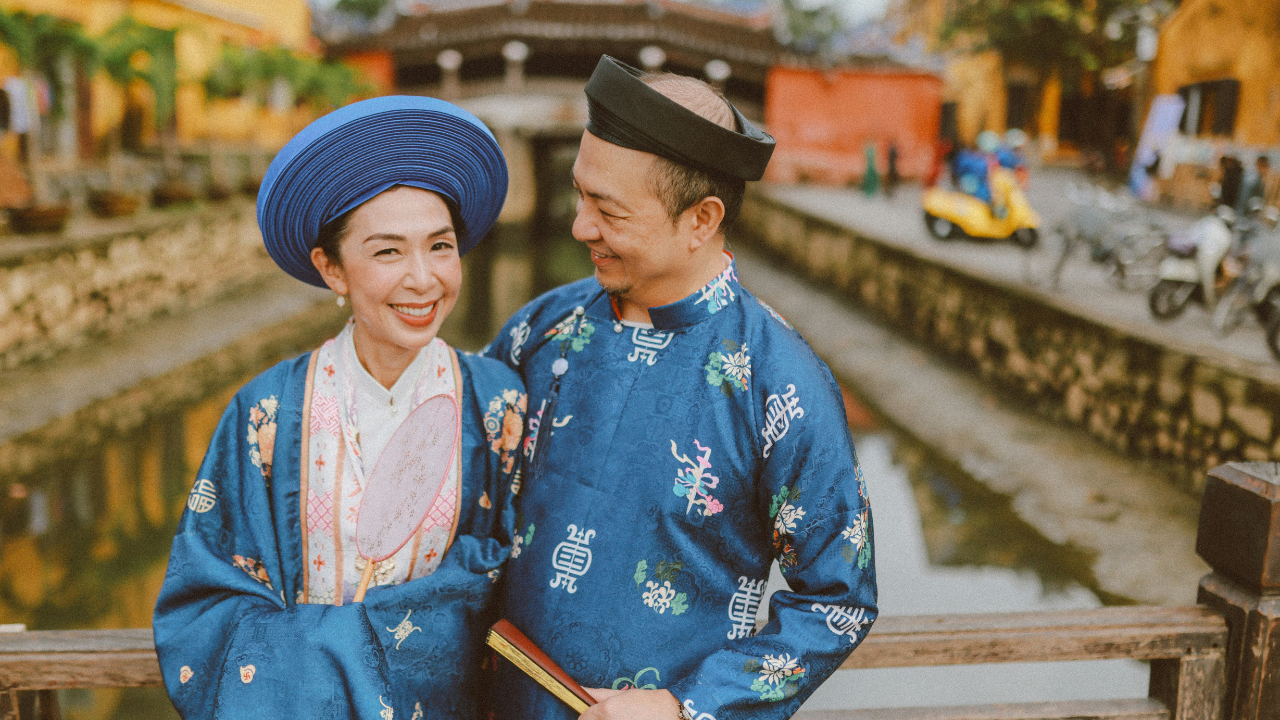
11. Vietnam
Vietnamese brides traditionally wear the áo dài, a long tunic paired with fitted trousers. The design is sleek and elegant, often made with silk or similarly fluid fabrics.
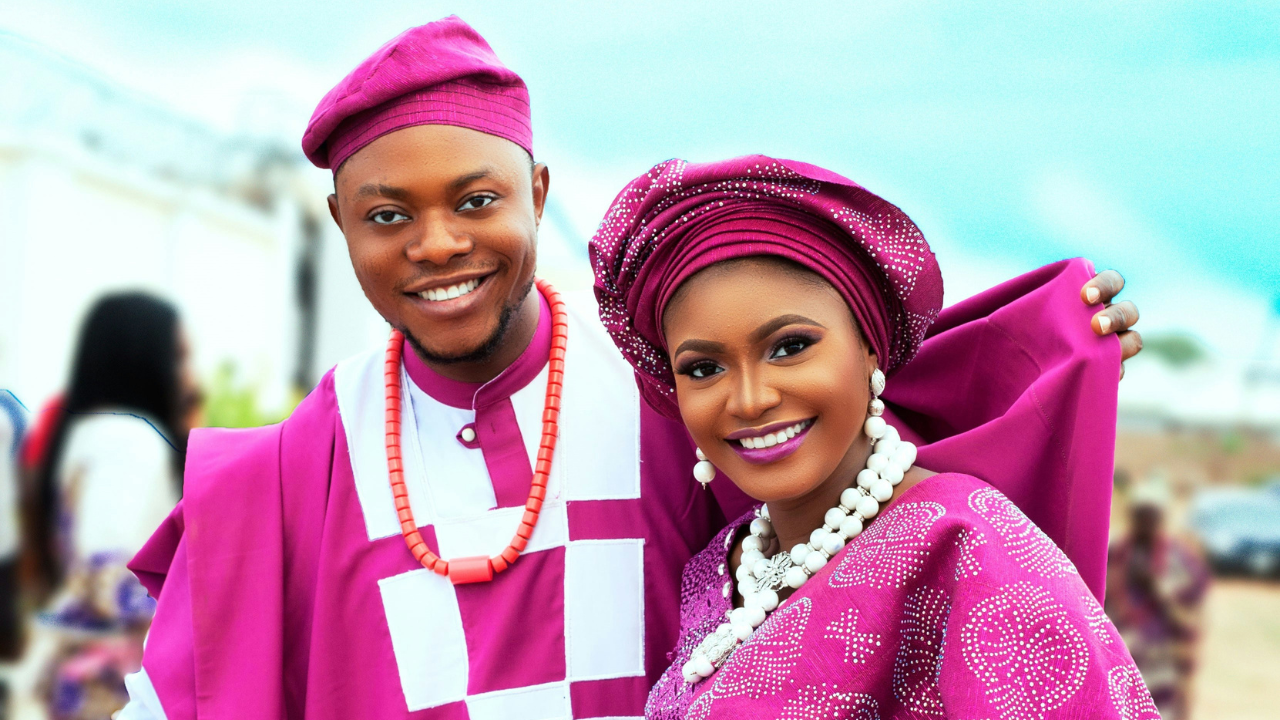
12. Nigeria
With hundreds of ethnic groups, Nigerian bridal fashion is highly diverse. Yoruba weddings, for example, often feature coordinated fabrics and bold colors that reflect celebration and identity.
Comments (0)
No comments yet. Be the first to share your thoughts!