
Current Date: 7 May, 2026

20 common wedding mistakes that can frustrate guests

Weddings are meaningful celebrations, often planned with great care and attention to detail. Couples naturally want everything to feel special and memorable. However, certain decisions can unintentionally make things less comfortable for guests. Being mindful of their experience helps create a more enjoyable and welcoming atmosphere for everyone involved.

1. Choosing a destination that is difficult for guests to attend

1. Choosing a destination that is difficult for guests to attend
© shutterstock / nadtochiy

Destination weddings can seem appealing because of the setting, but they often require guests to commit significant time and money. Travel costs, accommodation, and time off work can quickly add up. While close friends and family may try to attend regardless, others may quietly opt out. This can lead to a smaller turnout than expected and added stress for guests trying to manage logistics.

2. Planning a ceremony that runs too long
2. Planning a ceremony that runs too long
© shutterstock / LightField Studios

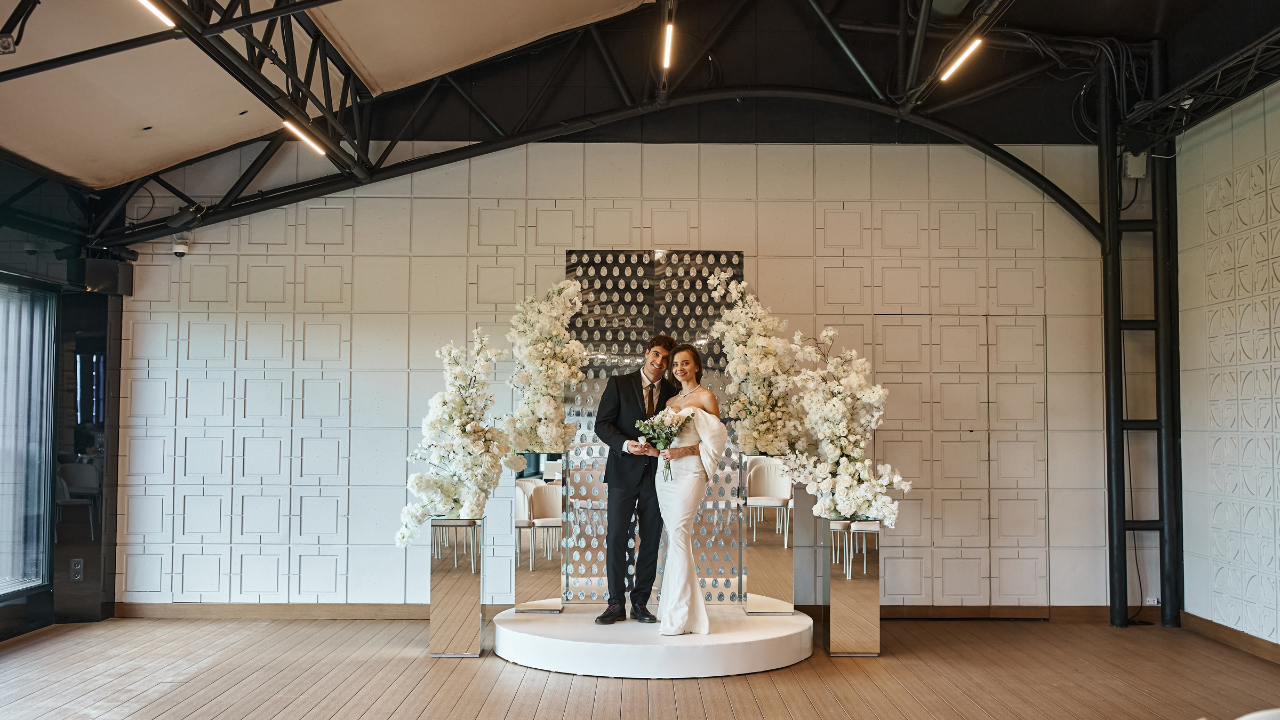
The ceremony is the emotional core of the wedding, but when it extends beyond a comfortable length, it can become physically tiring for guests. Long durations, especially in outdoor settings or limited seating, can cause discomfort. Guests may struggle to stay focused, which can take away from the meaningful moments the couple intended to highlight.

3. Allowing speeches to go on without limits
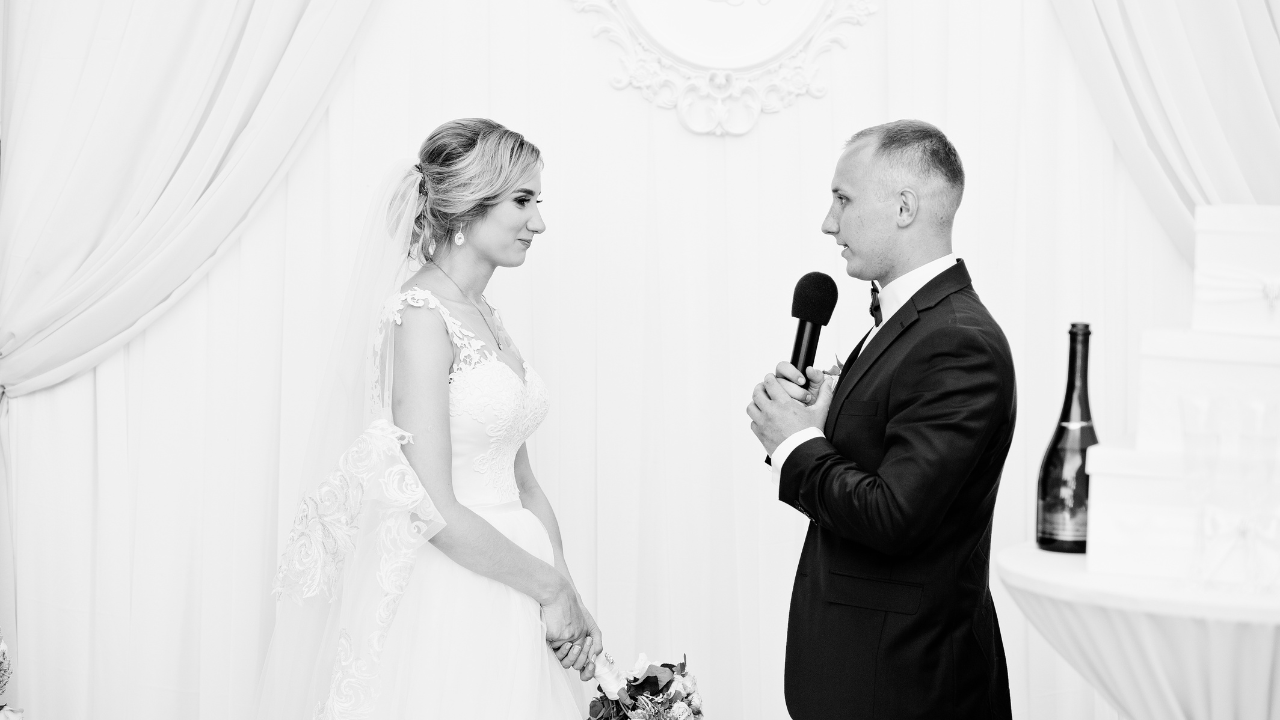
3. Allowing speeches to go on without limits
© shutterstock / AS project

Speeches can add a personal touch, but when they are not managed well, they can disrupt the rhythm of the reception. Long or unstructured speeches often lead to restlessness among guests. What begins as a heartfelt moment can quickly feel drawn out, especially if multiple speakers go over time without clear direction or moderation.

4. Delaying food service for too long

4. Delaying food service for too long
© shutterstock / Bogdan Sonjachnyj

Guests typically arrive well before the main meal, and extended gaps without food can affect their comfort. When drinks are served without accompanying snacks, it can make the situation worse. Hunger can shift the mood of the event, making guests less engaged. Providing timely meals or light refreshments helps maintain energy and enjoyment throughout the celebration.

5. Including activities that make guests uncomfortable

5. Including activities that make guests uncomfortable
© shutterstock / wavebreakmedia

While interactive elements can add variety, not all guests are comfortable participating in games or public activities. Being asked to perform, answer questions, or join unexpected activities can feel awkward. Events work best when guests can choose their level of involvement without pressure, allowing everyone to enjoy the celebration in their own way.

6. Setting overly specific or restrictive dress codes

6. Setting overly specific or restrictive dress codes
© shutterstock / AnnaStills

Dress codes help guide guests, but overly detailed or niche requirements can create confusion and stress. Guests may struggle to find appropriate outfits that match the expectations, especially if they require specific colors or themes. A more flexible approach ensures guests feel comfortable while still respecting the tone of the event.

7. Expecting the wedding party to cover high expenses

7. Expecting the wedding party to cover high expenses
© shutterstock / KinoMasterskaya

Bridesmaids and groomsmen often dedicate time, effort, and emotional support to the couple. When they are also expected to cover expensive clothing, travel, and pre-wedding events, it can feel overwhelming. Financial pressure can affect relationships, especially if expectations are not clearly discussed or balanced with consideration.

8. Limiting or excluding plus-ones

8. Limiting or excluding plus-ones
© shutterstock / AS project

Attending a wedding alone can feel isolating, particularly if guests do not know many others. Restricting plus-ones may be necessary for budget reasons, but it can impact the overall experience for some attendees. Offering flexibility where possible helps guests feel more comfortable and included in the celebration.

9. Scheduling the wedding on a weekday
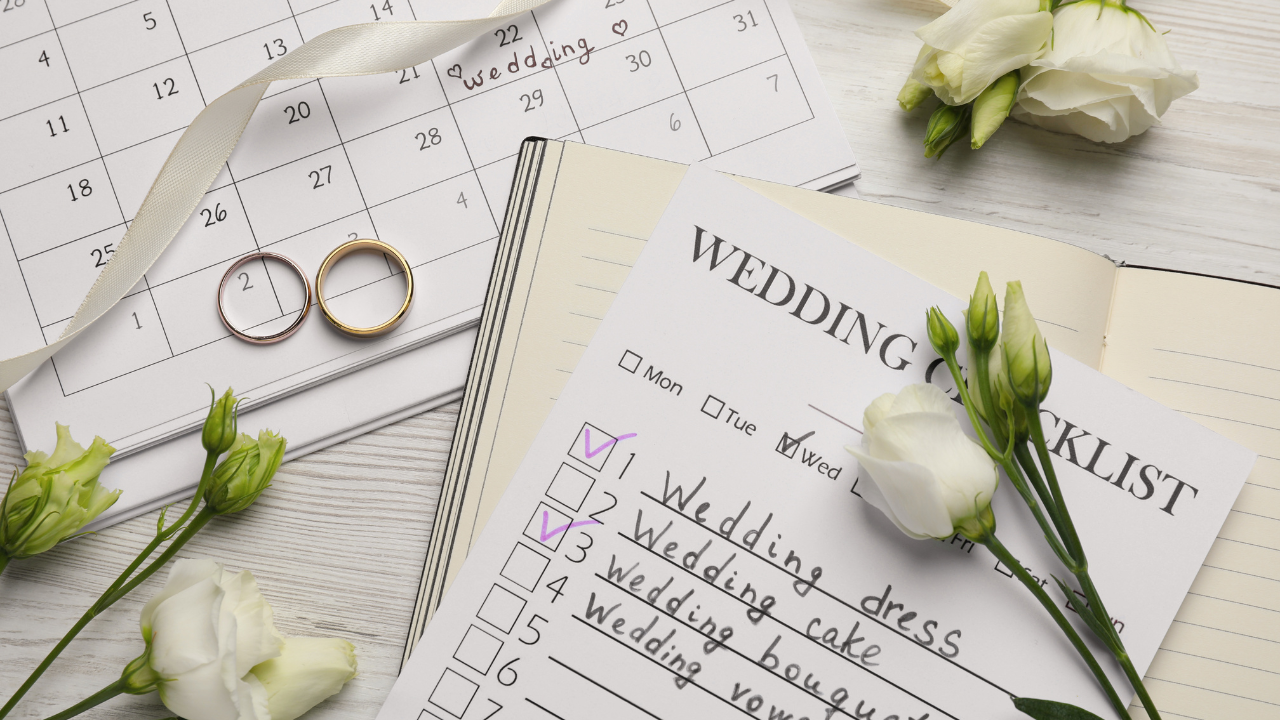
9. Scheduling the wedding on a weekday
© shutterstock / New Africa

Weekday weddings may reduce costs for the couple, but they can create challenges for guests who need to take time off work or manage travel during busy schedules. This can limit attendance or add stress for those trying to participate. Choosing a more convenient day helps ensure a smoother experience for everyone involved.

10. Offering limited drink options after gift expectations

10. Offering limited drink options after gift expectations
© shutterstock / AlexandrMusuc

Guests often invest in gifts, travel, and attire to attend a wedding. When drink options are limited or require additional payment, it can feel mismatched with the overall hosting experience. Providing a basic selection of beverages helps create a more welcoming and balanced atmosphere for guests.

11. Selecting a venue in a remote location
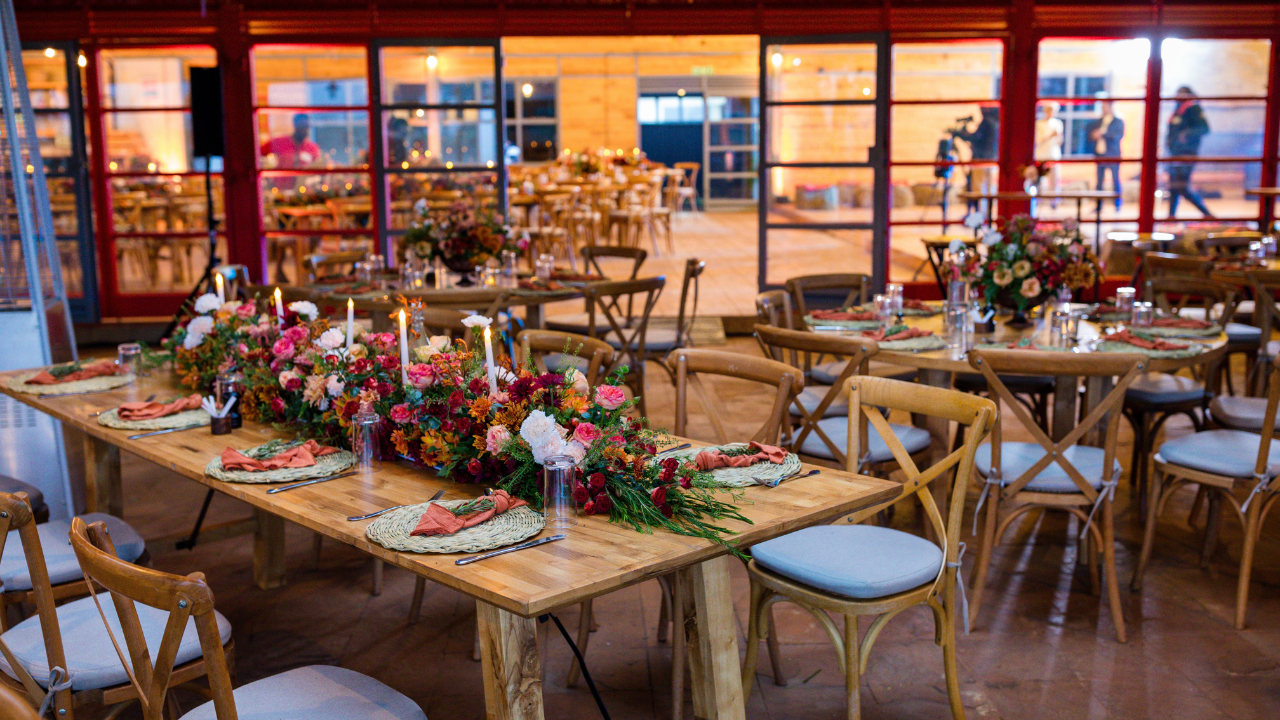
11. Selecting a venue in a remote location
© shutterstock / antony trivet photography

Remote venues can offer beautiful scenery, but they may also be difficult to reach. Limited transportation, long travel times, and lack of nearby accommodations can create inconvenience. Guests may face challenges getting to and from the venue, especially late at night, which can affect their overall comfort.

12. Spending too much time on photography

12. Spending too much time on photography
© shutterstock / Evgenyrychko

Capturing wedding moments is important, but extended photo sessions can leave guests waiting without direction. Long gaps between the ceremony and reception may reduce engagement. Guests often prefer a smooth transition between events rather than extended waiting periods while photos are being taken.

13. Controlling the music too tightly

13. Controlling the music too tightly
© shutterstock / Omelnytskyi

Music helps shape the atmosphere of a wedding, especially during the reception. When playlists are too limited or focused on specific tastes, they may not appeal to a wider group. A balanced mix of music ensures guests of different ages and preferences feel included and encouraged to participate.

14. Leaving long gaps between events

14. Leaving long gaps between events
© shutterstock / ardiwebs

Breaks between the ceremony and reception can sometimes be unavoidable, but extended gaps without activities or refreshments can leave guests uncertain. Without a clear plan, guests may feel disengaged or uncomfortable. Providing entertainment or a comfortable waiting area helps maintain the flow of the event.

15. Overcomplicating seating arrangements
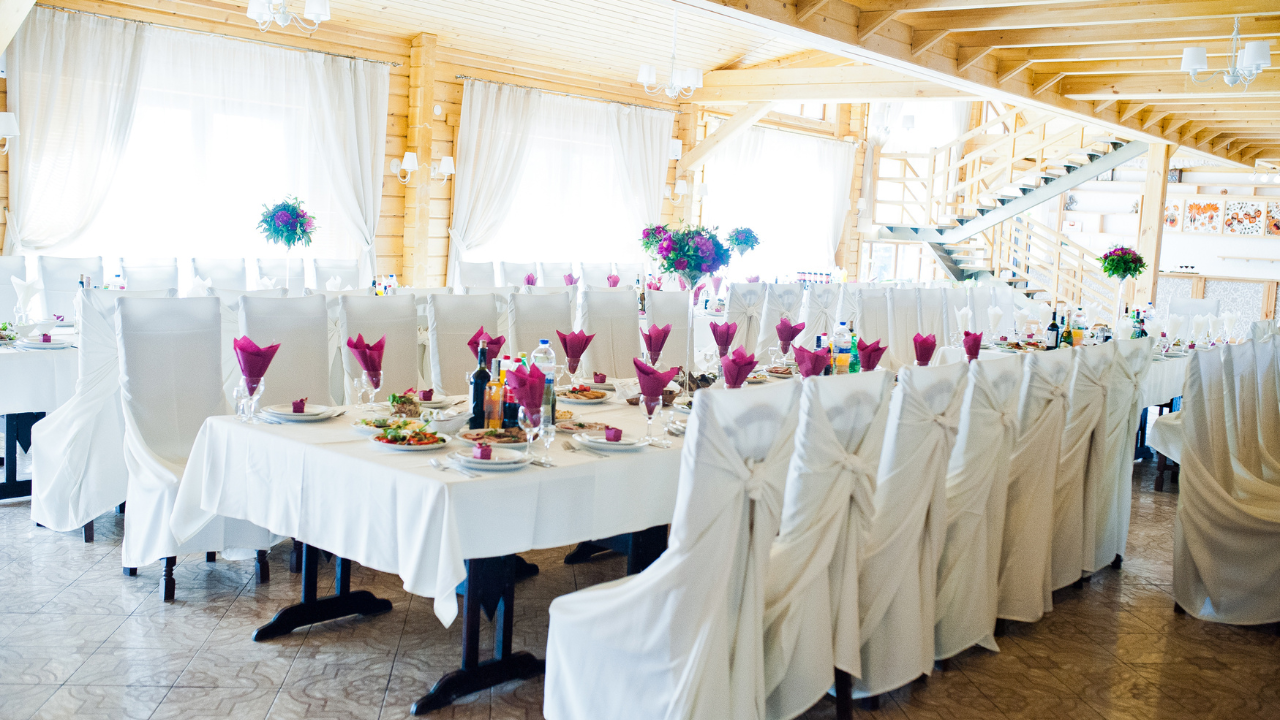
15. Overcomplicating seating arrangements
© shutterstock / AS project

Seating plans help organize guests, but overly rigid arrangements can create awkward situations. Placing individuals with unfamiliar groups or unresolved dynamics may affect the atmosphere. Thoughtful and flexible seating helps encourage natural interaction and a more relaxed environment.

16. Focusing too much on social media expectations

16. Focusing too much on social media expectations
© shutterstock / KinoMasterskaya

Encouraging guests to share moments online is common, but placing too much emphasis on it can feel unnecessary. Guests may prefer to enjoy the event without instructions or expectations about posting. Keeping the focus on real interactions creates a more genuine and comfortable experience.

17. Overlooking basic comfort needs

17. Overlooking basic comfort needs
© shutterstock / guys who shoot

Environmental factors such as temperature, seating, and lighting play a key role in guest comfort. Outdoor weddings, in particular, can present challenges if not properly planned. Providing essentials like shade, heaters, or seating ensures guests remain comfortable throughout the event.

18. Scheduling too many activities in one day

18. Scheduling too many activities in one day
© shutterstock / Wirestock Creators

A packed schedule may seem exciting, but it can become overwhelming for guests. Moving quickly between events without breaks can feel exhausting. Allowing time for relaxation and conversation helps create a more enjoyable and balanced experience.

19. Expecting full participation in extended events

19. Expecting full participation in extended events
© Unsplash / Süheyl Burak

Multi-day celebrations can include welcome parties and farewell gatherings, but not all guests can attend every event. Travel costs and personal schedules may limit participation. Making additional events optional allows guests to engage without feeling pressured.

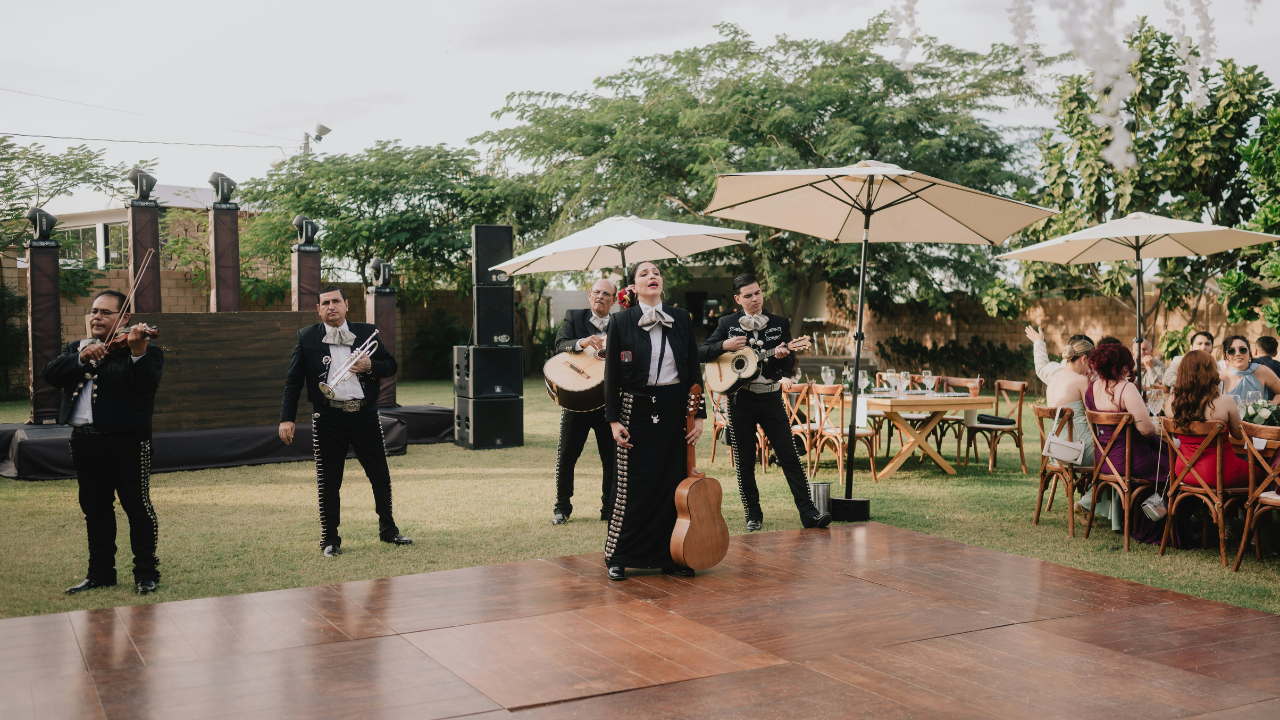
20. Treating the event as a performance
20. Treating the event as a performance
© unsplash / Fotógrafo Samuel Cruz

Carefully planned moments can enhance a wedding, but when everything feels overly staged, it may lose its authenticity. Guests often connect more with genuine moments rather than perfectly choreographed ones. A natural and relaxed approach helps create a more memorable and meaningful celebration.

Comments (0)

No comments yet. Be the first to share your thoughts!

Leave a Reply