Current Date: 7 May, 2026

15 classic wedding traditions that are no longer widely followed

Weddings have evolved significantly over time, with many long-standing traditions gradually becoming less common. What was once considered essential is now often optional, replaced by more flexible and personal choices. As couples focus on comfort, practicality, and individuality, many older customs have naturally faded from modern celebrations.

1. Brides wearing gloves
1. Brides wearing gloves
© unsplash / Thái An

Long gloves were once an essential part of bridal fashion, especially in formal ceremonies during the early 20th century. They symbolized elegance and social status, often completing a polished look. Over time, bridal style shifted toward simplicity and comfort, making gloves far less common in today’s weddings.

2. The bride’s family paying for the entire wedding
2. The bride’s family paying for the entire wedding
© unsplash / Annie Spratt

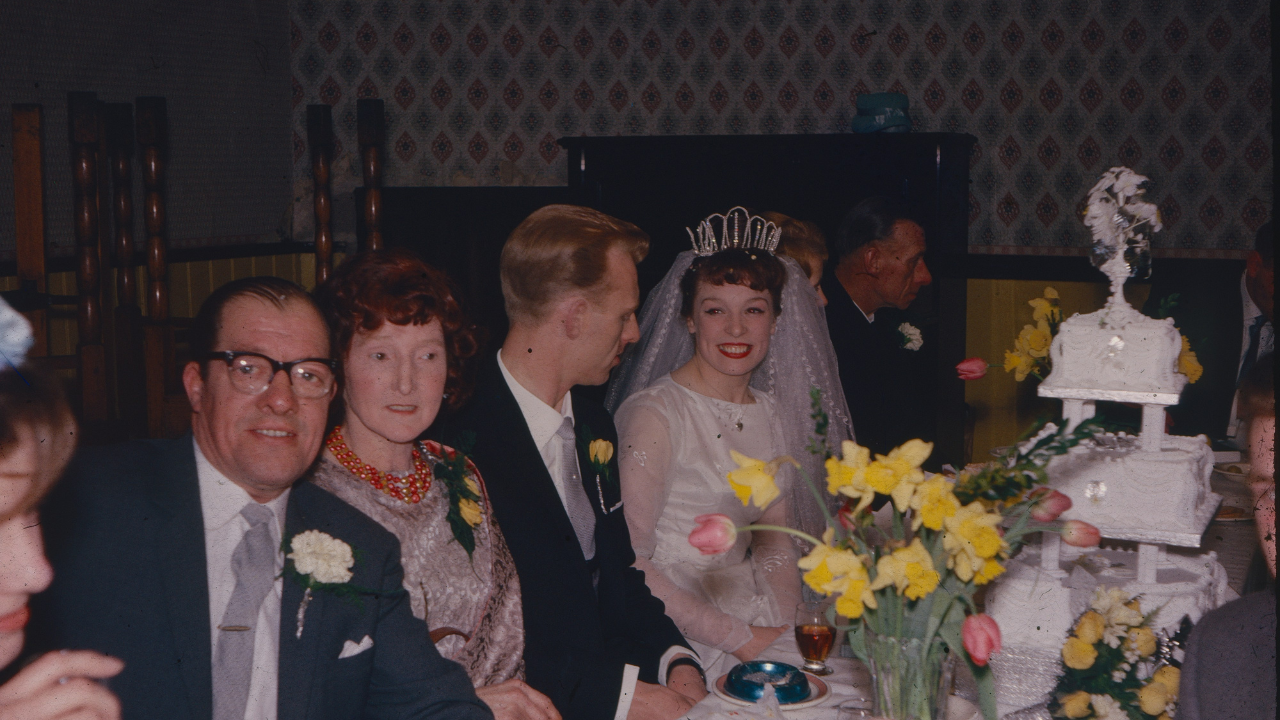
Traditionally, the bride’s family was expected to cover all wedding expenses. This custom was rooted in older financial arrangements and dowry practices. As weddings became more expensive, this expectation became less practical. Today, couples and both families typically share costs or manage the budget together.

3. Formal receiving lines

3. Formal receiving lines
© unsplash / Victor Rodvang

Receiving lines once gave couples a structured way to greet every guest individually. While thoughtful in intention, they often required guests to wait in long lines. Modern weddings favor more relaxed interactions, allowing couples to move around freely and connect with guests in a more natural setting.

4. The hope chest tradition

4. The hope chest tradition
© unsplash / Lauren Mitchell

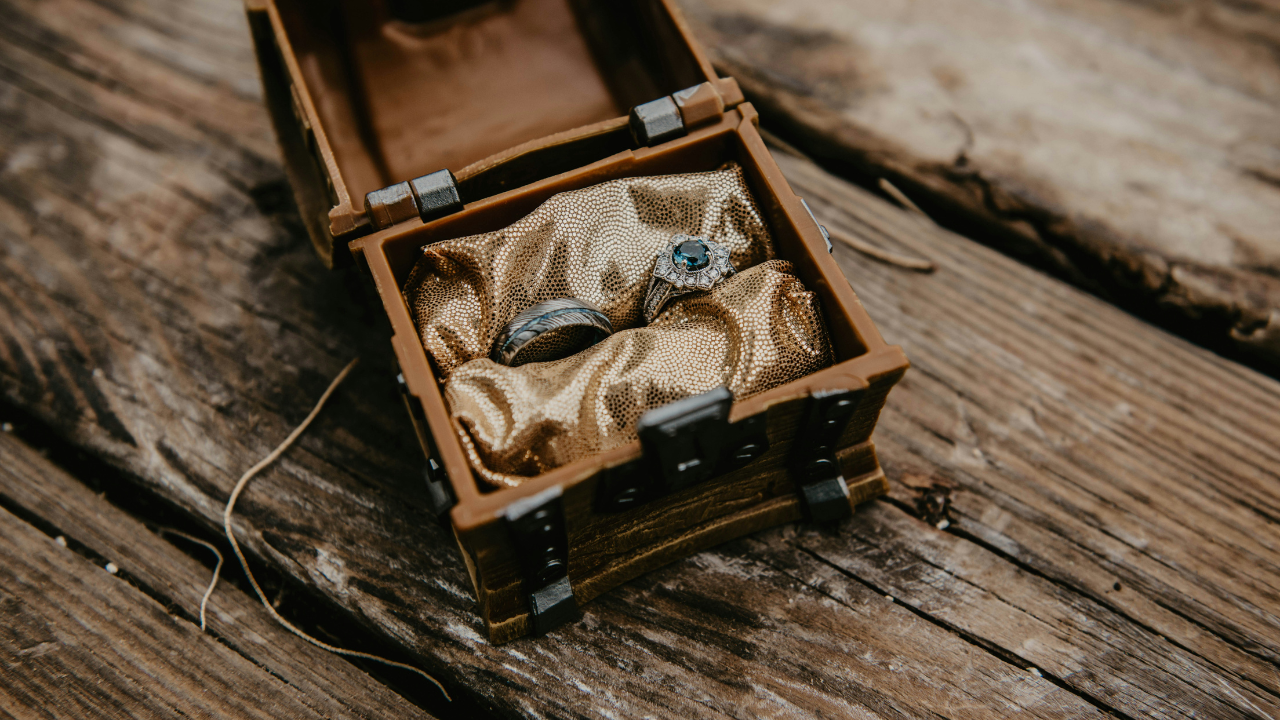
Hope chests were once filled over time with household items in preparation for marriage. These collections often included linens, cookware, and handmade goods. As lifestyles changed and couples began living independently before marriage, the need for this tradition gradually disappeared.

5. Not seeing each other before the ceremony
5. Not seeing each other before the ceremony
© unsplash - Victoria Priessnitz

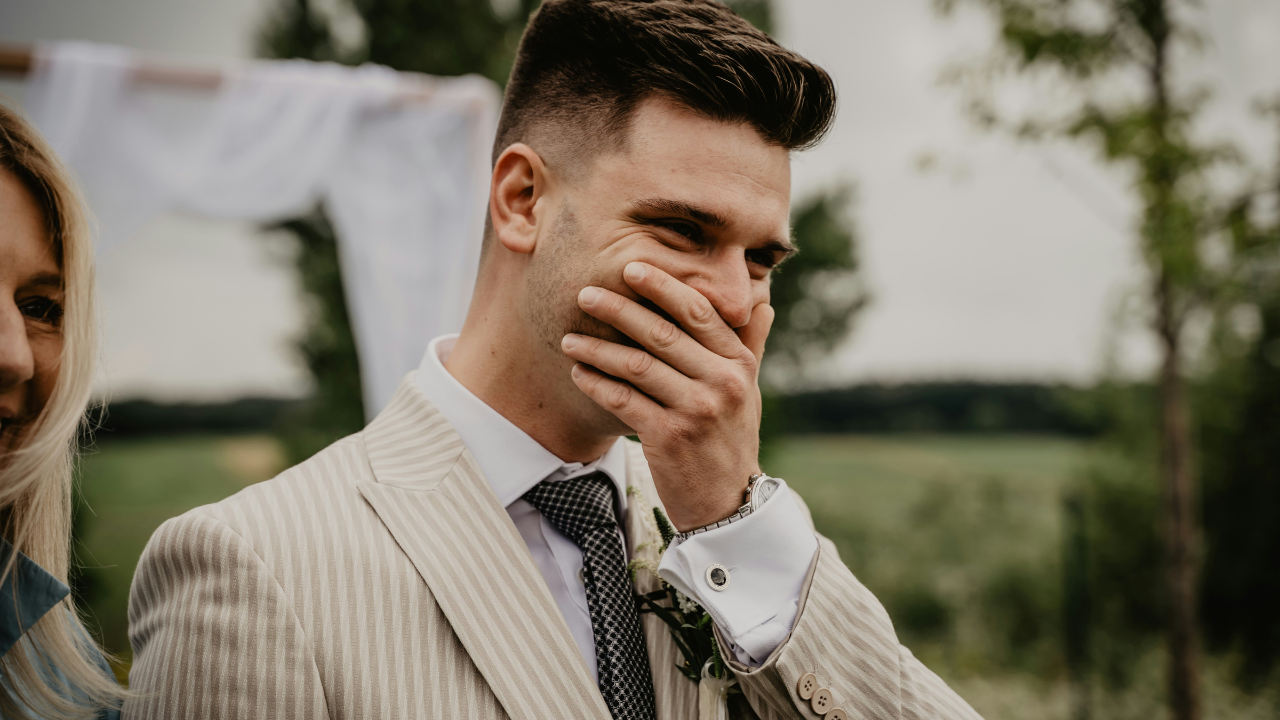
This tradition was based on old superstitions and arranged marriage customs. While some couples still enjoy the anticipation of seeing each other at the altar, many now prefer a “first look” before the ceremony. This allows for a private moment and helps streamline the wedding schedule.

6. Wedding cakes with hidden charms

6. Wedding cakes with hidden charms
© unplash / Chidy Young

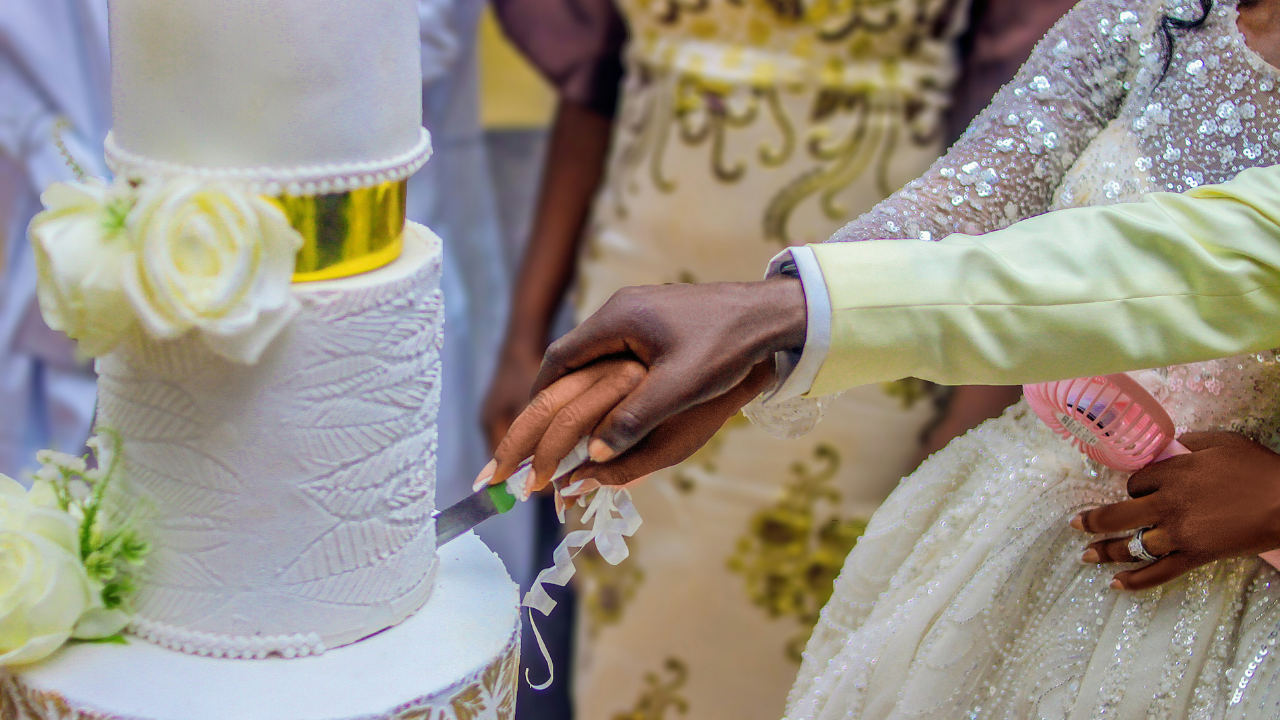
In earlier times, small charms were placed inside wedding cakes, each symbolizing a different fortune. Guests enjoyed discovering them in their slices. Due to safety concerns and modern food standards, this tradition has mostly disappeared, with safer alternatives occasionally used instead.

7. Large fruitcakes as the main dessert
7. Large fruitcakes as the main dessert
© unsplash / David Holifield

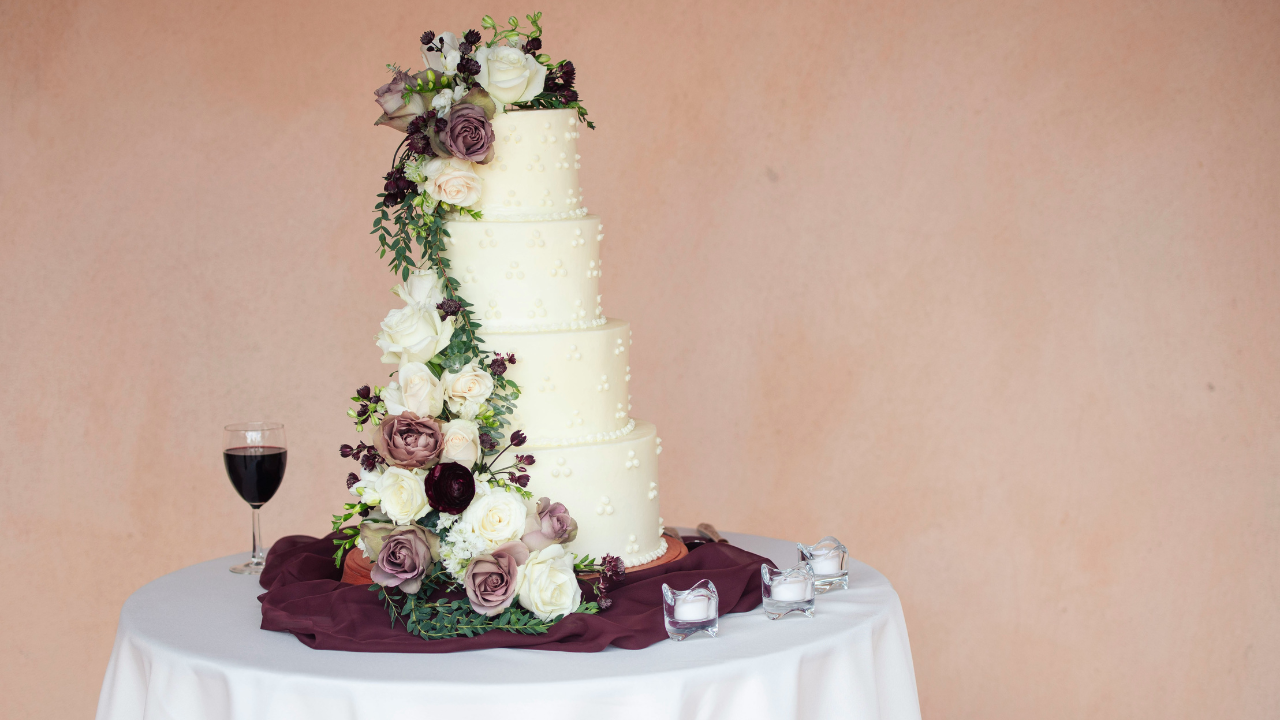
Fruitcake was once a traditional wedding dessert, valued for its rich ingredients and long shelf life. It symbolized prosperity and was sometimes saved for future celebrations. Today, lighter and more varied cake options have become more popular, making fruitcake a rare choice.

8. Throwing rice at newlyweds

8. Throwing rice at newlyweds
© unsplash / Pedro Pulido

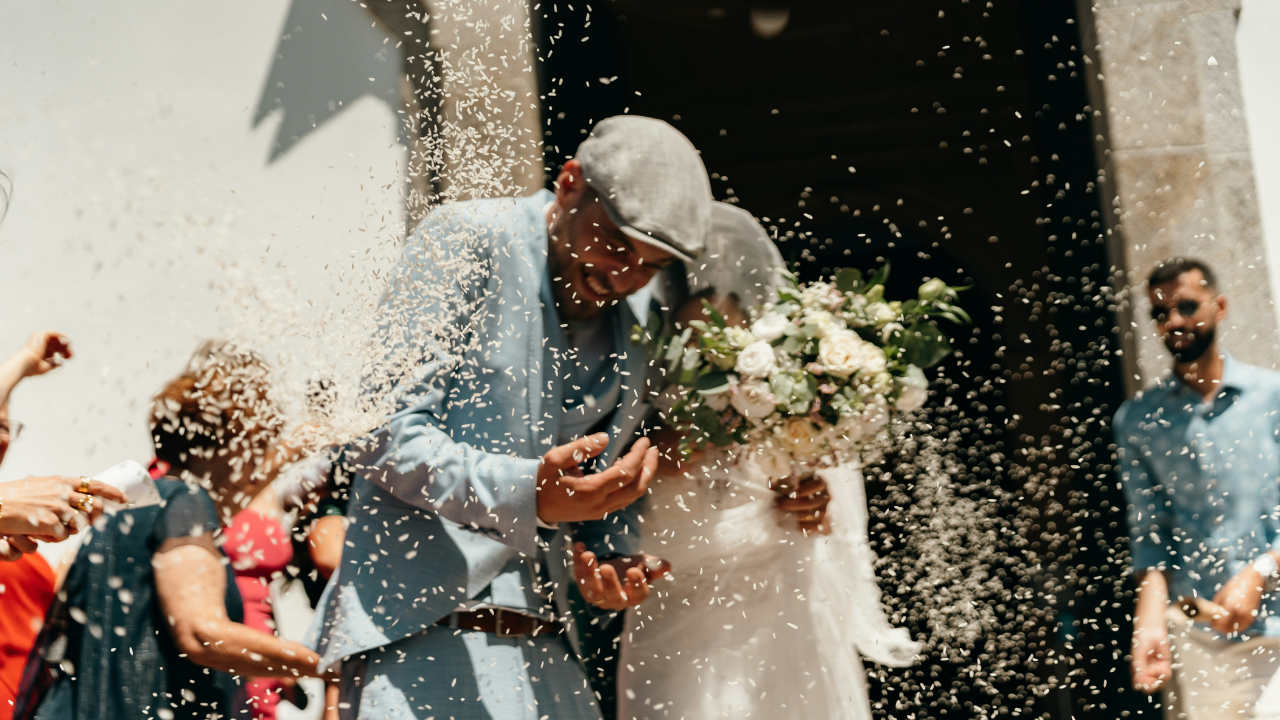
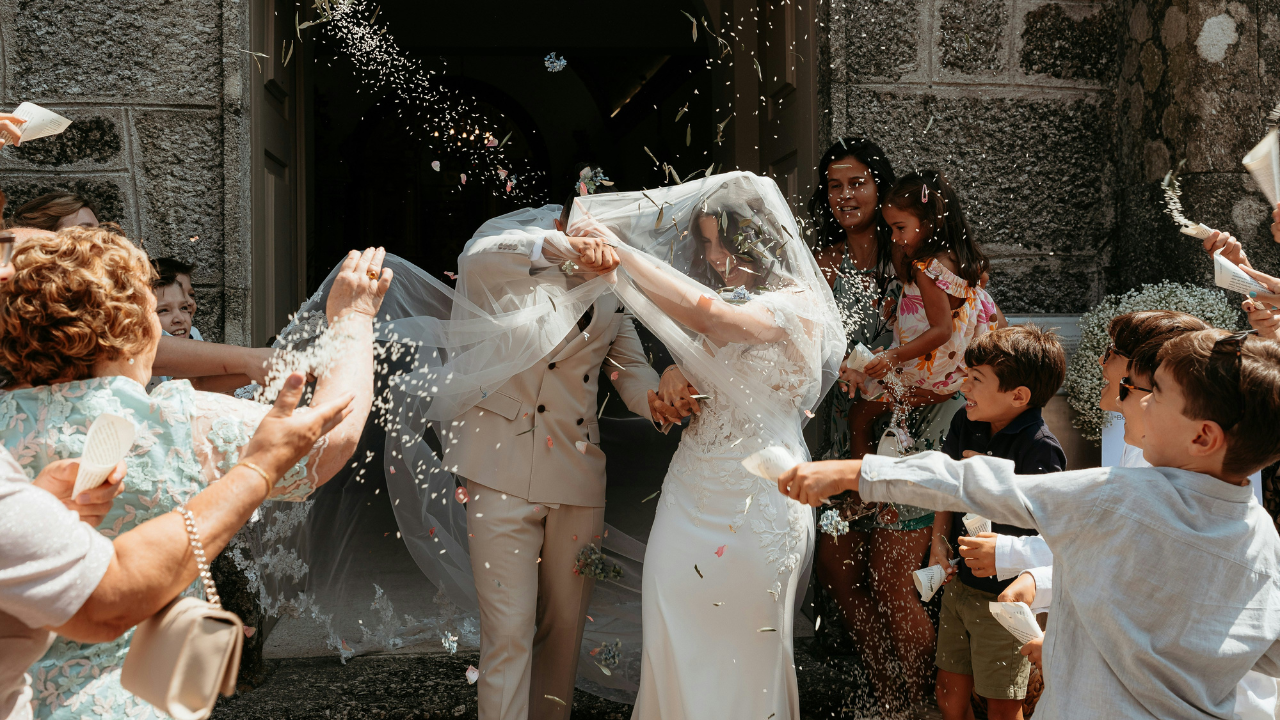
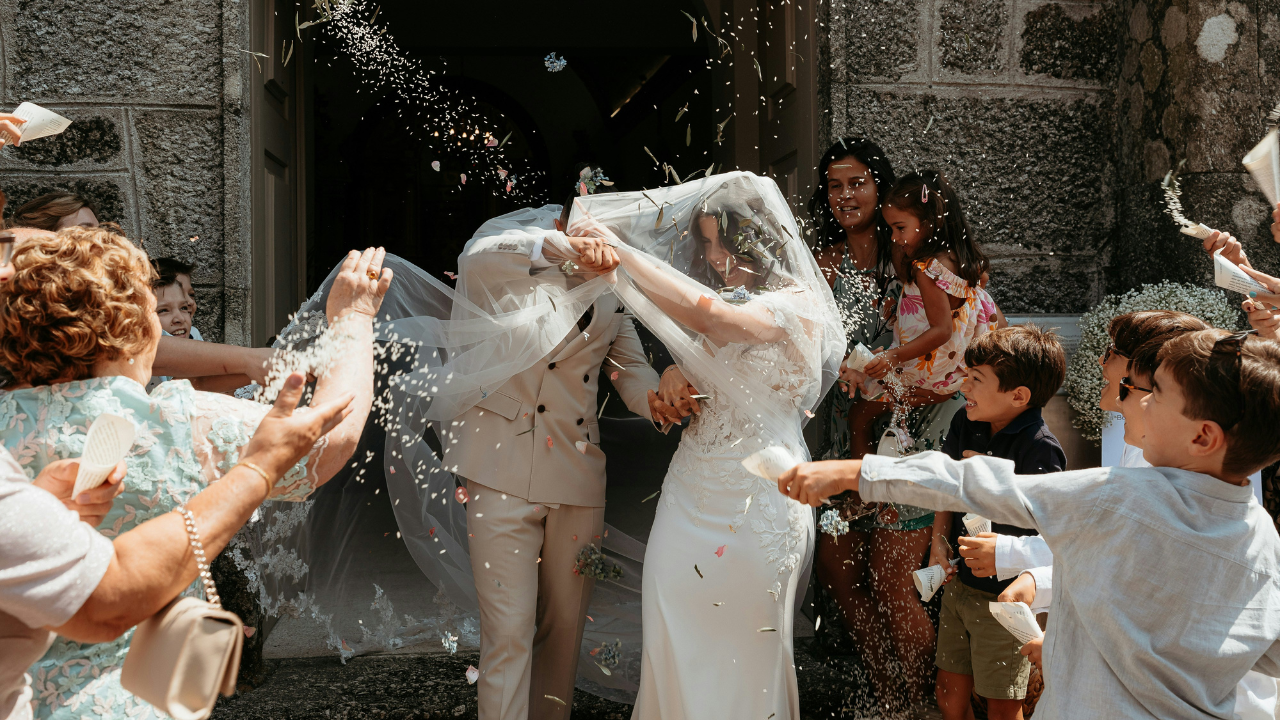
Rice tossing symbolized prosperity and good fortune for the couple. While once a common send-off tradition, concerns about cleanup and venue restrictions led to its decline. Modern alternatives like flower petals or bubbles have largely replaced this practice.

9. Strict seating based on family status
9. Strict seating based on family status
© unsplash / iKshana Productions

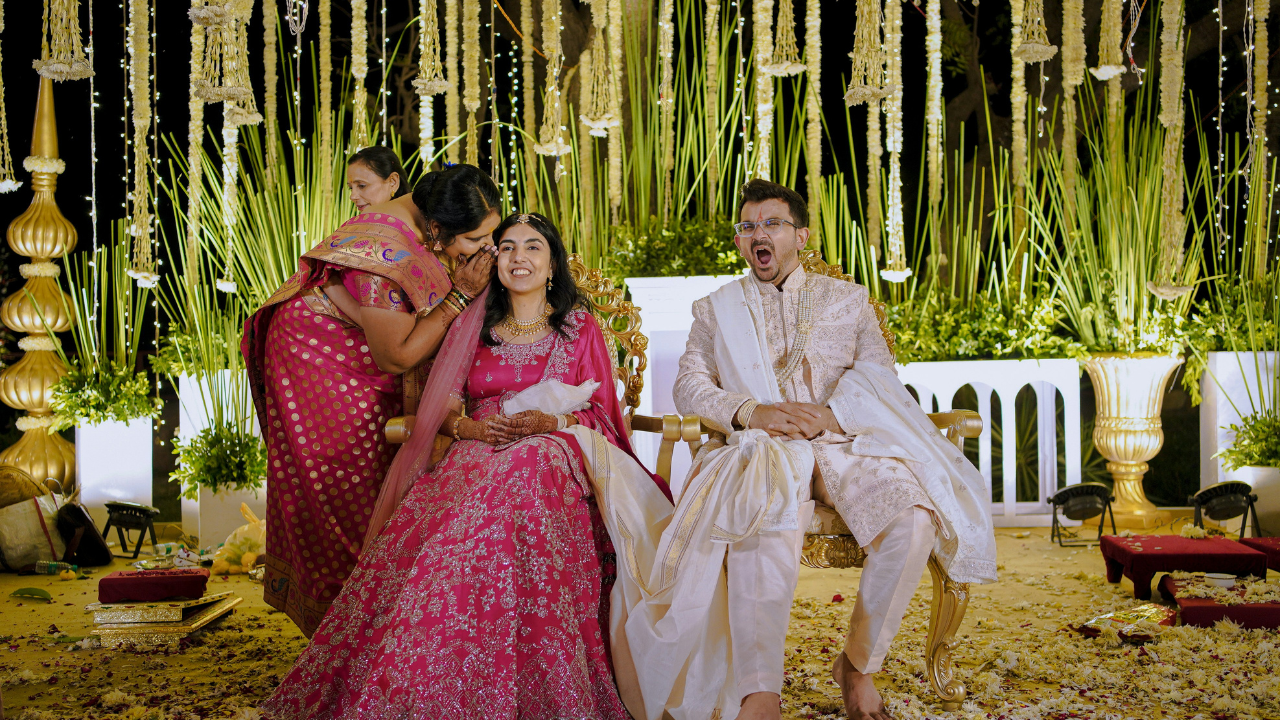
Seating arrangements were once carefully planned according to social hierarchy and family importance. This approach often created unnecessary stress and formality. Today, couples prioritize comfort and social interaction, using more flexible and inclusive seating arrangements.

10. Bouquets made entirely of orange blossoms
10. Bouquets made entirely of orange blossoms
© unsplash / Michal Mikulec

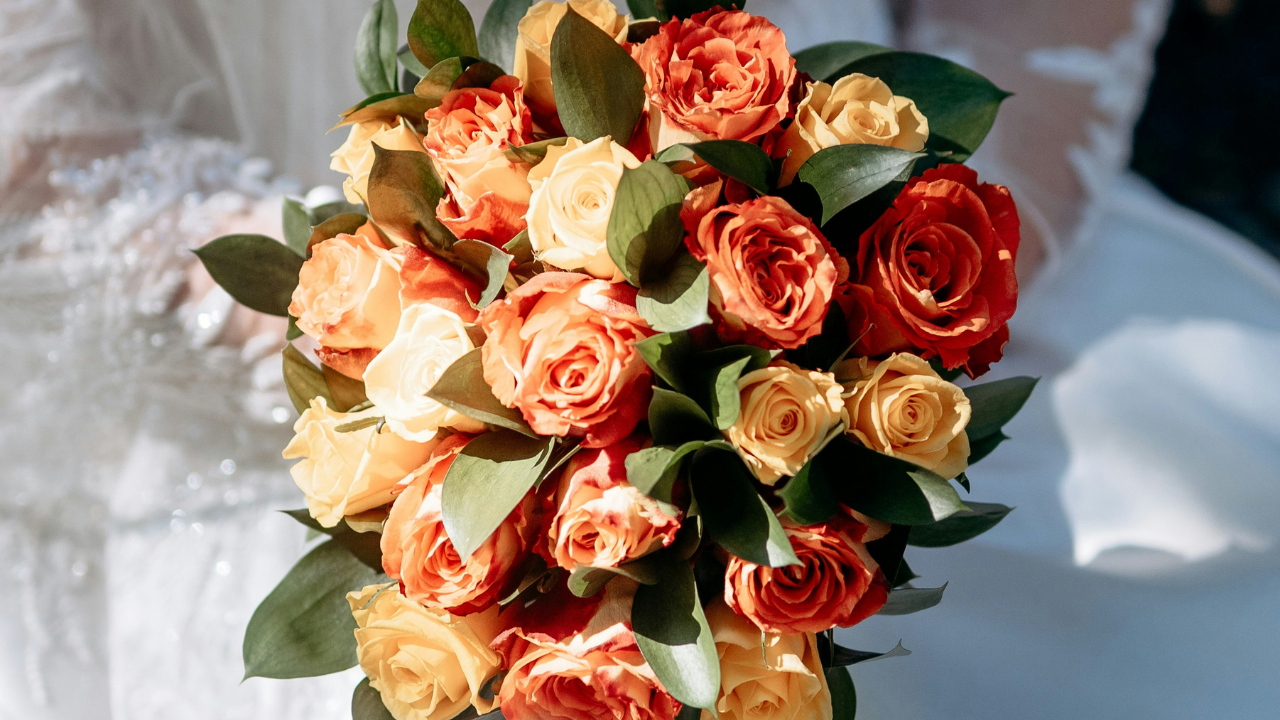
Orange blossoms were once a popular choice due to their symbolic meaning of purity and fertility. Over time, brides began choosing a wider variety of flowers based on personal style and seasonal availability. This shift made strictly traditional bouquets less common.

11. Early morning weddings

11. Early morning weddings
© unsplash / Martin Baron

Morning ceremonies were once standard, particularly in religious settings. These were often followed by formal meals known as wedding breakfasts. Modern weddings tend to take place later in the day, with evening receptions and extended celebrations becoming the preferred format.

12. The bouquet toss as a required tradition
12. The bouquet toss as a required tradition
© unsplash / Pedro Pulido

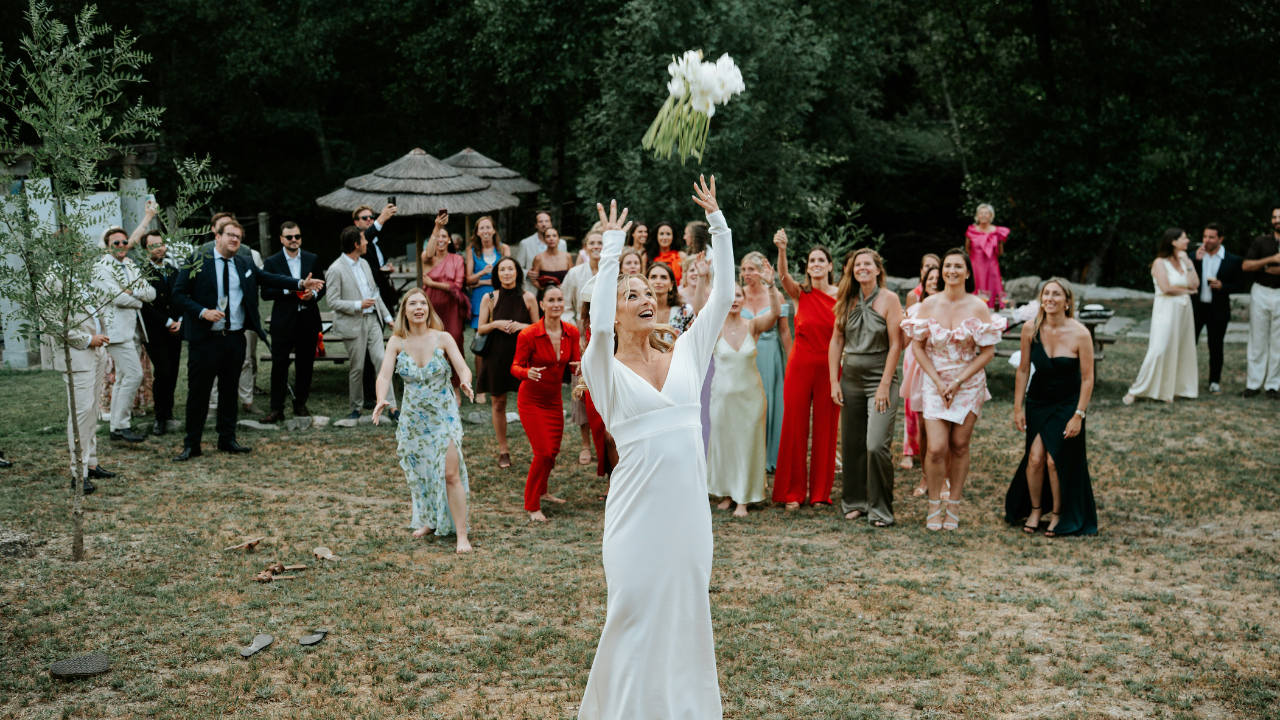
The bouquet toss was once a staple of wedding receptions, often seen as a fun and symbolic moment. However, many guests now feel uncomfortable participating. As a result, many couples choose to skip or modify this tradition to suit a more relaxed atmosphere.

13. Newspaper wedding announcements

13. Newspaper wedding announcements
© unsplash / Ol Cee

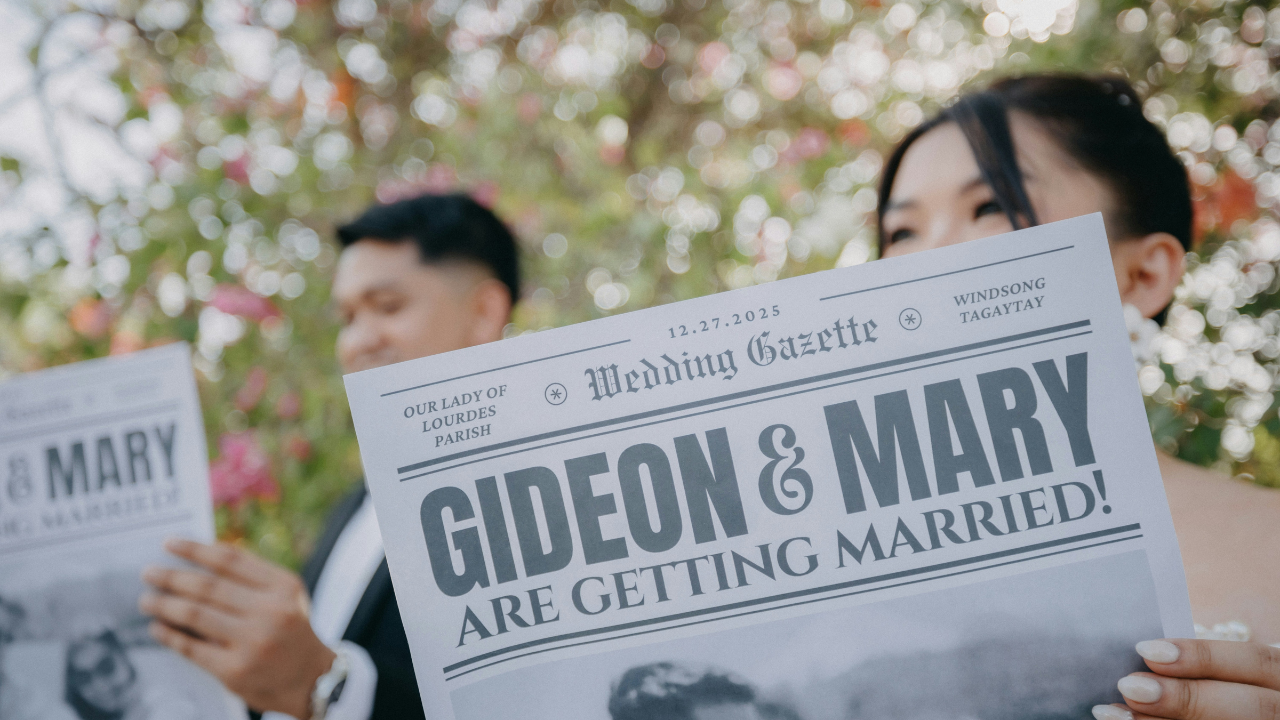
Before digital platforms, couples announced weddings through local newspapers. These formal notices were widely used to share the news. Today, social media and personal websites have replaced this tradition, offering faster and more accessible ways to share updates.

14. Wearing something borrowed from a married woman
14. Wearing something borrowed from a married woman
© unsplash / Shoham Avisrur

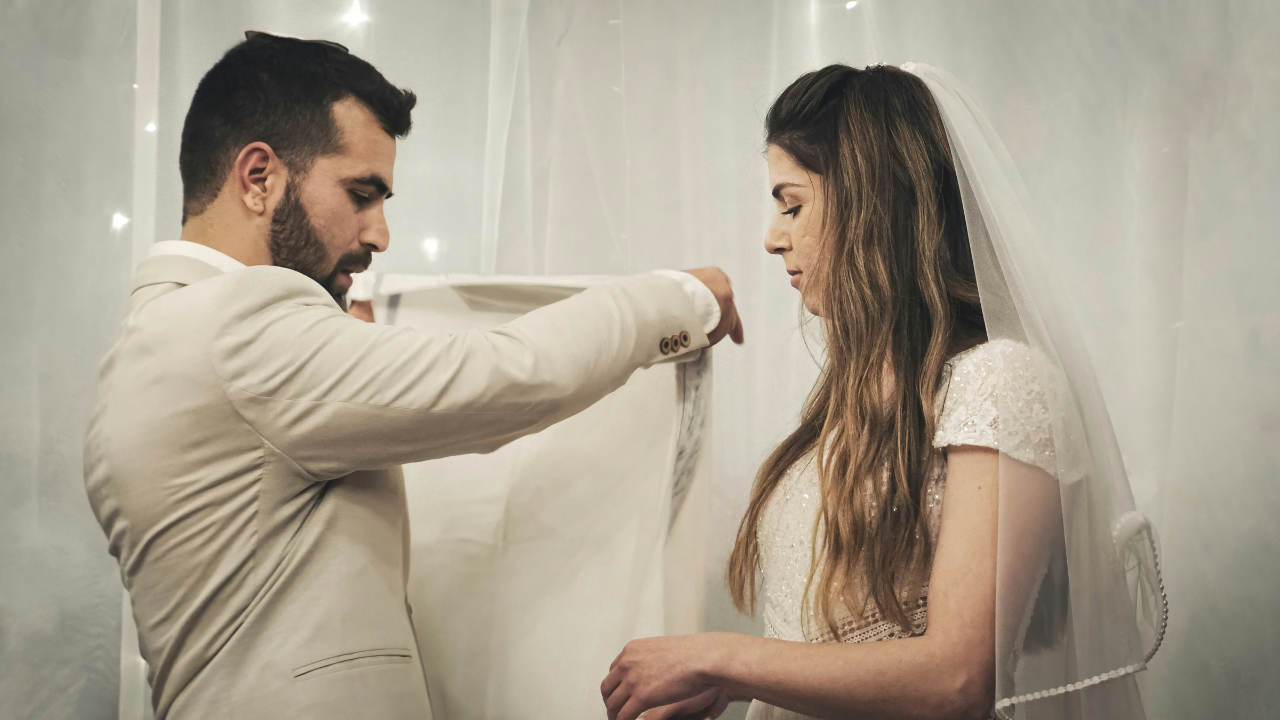
The “something borrowed” tradition was originally tied to the idea of passing on good fortune from a happily married woman. While the rhyme remains familiar, modern interpretations are more flexible. Brides now choose meaningful items regardless of strict traditional rules.

15. Carrying the bride over the threshold
15. Carrying the bride over the threshold
© unsplash / Filip Rankovic Grobgaard

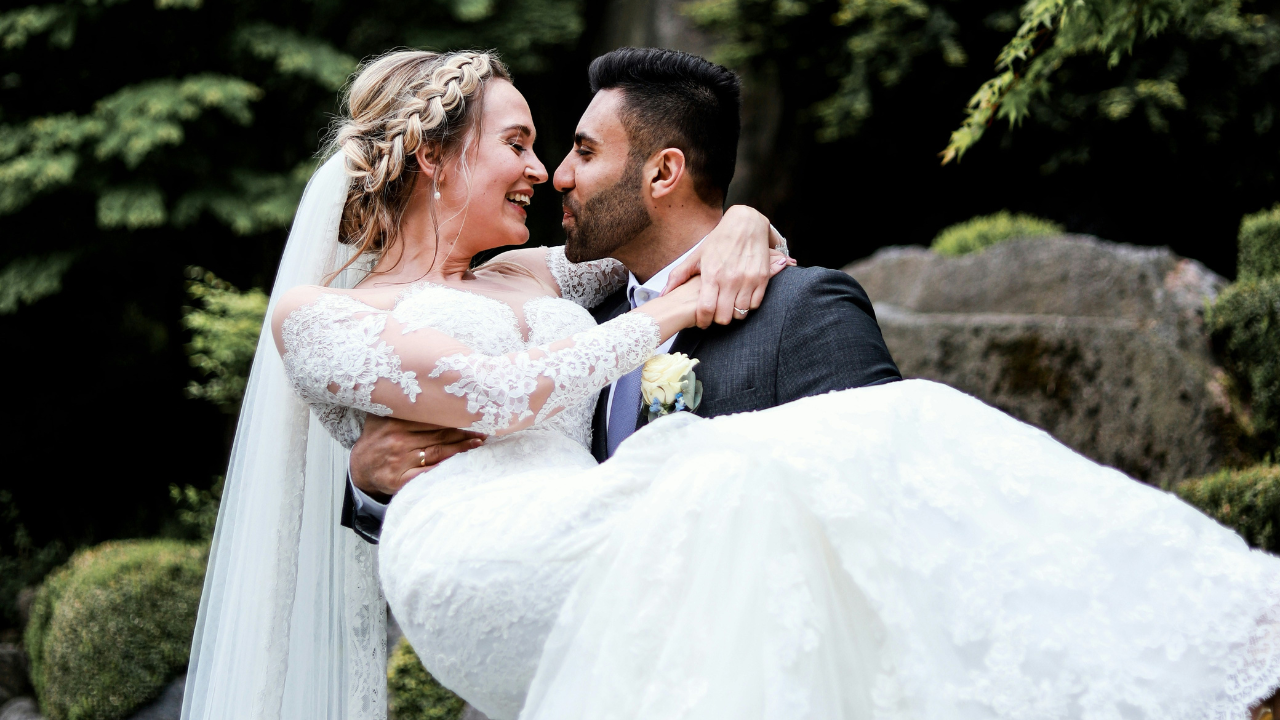
This custom originated from ancient beliefs meant to protect the bride from bad luck. Over time, it became a symbolic gesture marking the start of married life. Today, it is no longer widely expected and is often included only as a lighthearted or optional moment.

Comments (0)

No comments yet. Be the first to share your thoughts!

Leave a Reply