Weddings, at their core, are not about uniformity, they are about meaning shaped through culture, memory, and symbolism. Across the world, traditions are less about spectacle and more about what they represent: unity, resilience, prosperity, and transition. The most fascinating rituals are often the ones that feel unfamiliar, because they reveal how differently love can be expressed. Yet beneath that difference, there is a shared intention to prepare, to bless, and to bind. A modern, editorial approach to these traditions is not about replication, but understanding their essence. When interpreted thoughtfully, they add depth rather than decoration. Each of these rituals reflects a distinct philosophy, offering a layered perspective on what a wedding can feel like.
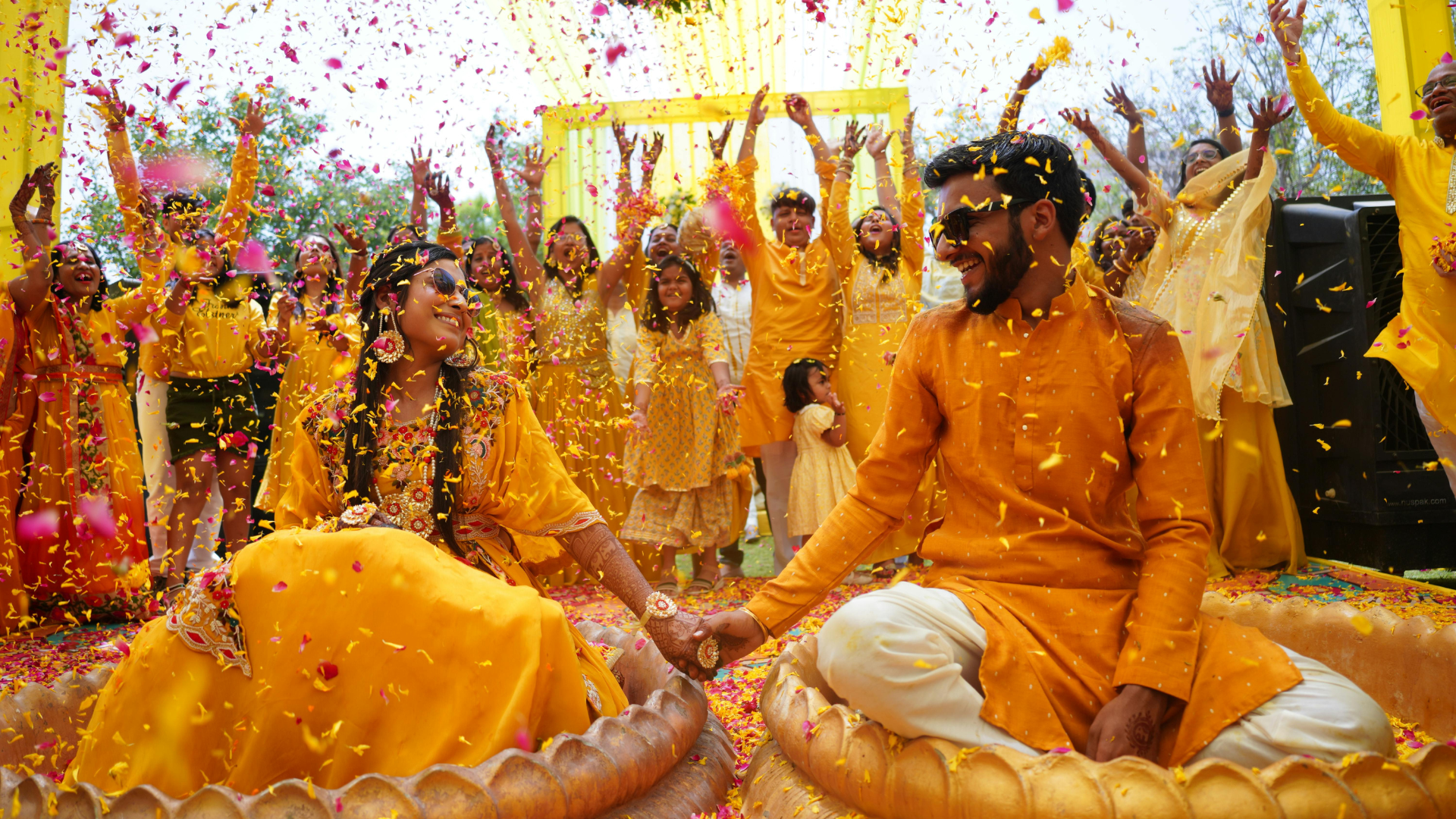
1. The Haldi Ritual (India)
© Pexels/Aalap Creation
The Haldi ceremony is rooted in purification and preparation, where turmeric paste is applied to the couple before the wedding. It carries both symbolic and practical value, believed to cleanse, protect, and brighten the skin. The atmosphere is vibrant, informal, and filled with movement. Unlike structured ceremonies, this moment feels playful and communal. It marks the emotional transition into marriage.
Best Time: Morning
Use It With: Bright, traditional color palettes
Styling Tip: Keep the setting relaxed and open for interaction
Must-Know: It symbolizes cleansing and protection before marriage
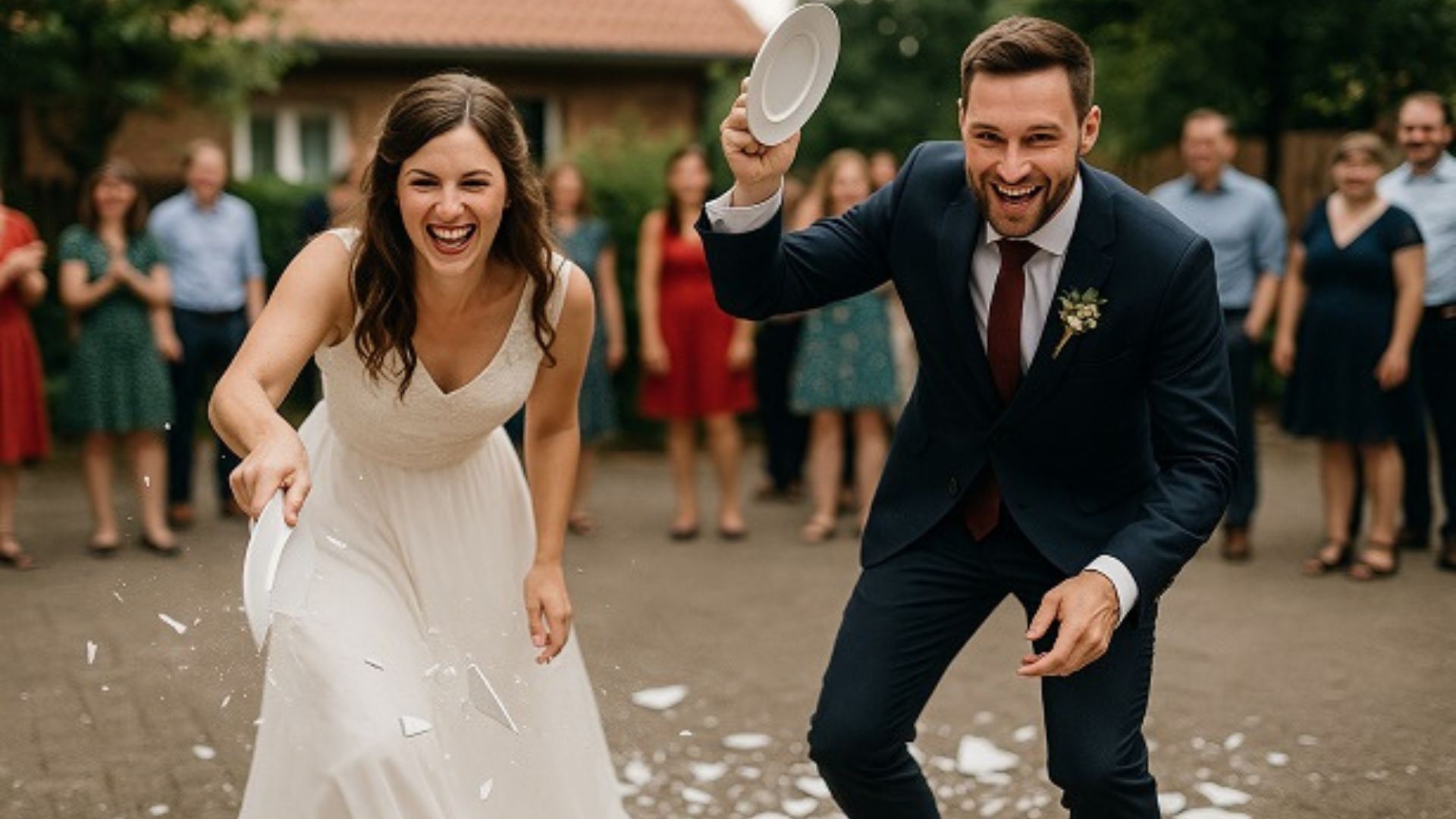
2. Polterabend Plate-Smashing (Germany)
© @germanculture
In Germany, weddings often begin with chaos, intentionally. Guests gather to smash porcelain, creating noise meant to ward off bad luck. The couple then cleans it together, symbolizing teamwork in marriage. It’s less about elegance and more about resilience. The ritual introduces realism into an otherwise romantic narrative.
Best Time: Night before the wedding
Use It With: Casual, communal settings
Styling Tip: Keep the space informal and durable
Must-Know: Cleaning together reflects partnership through challenges
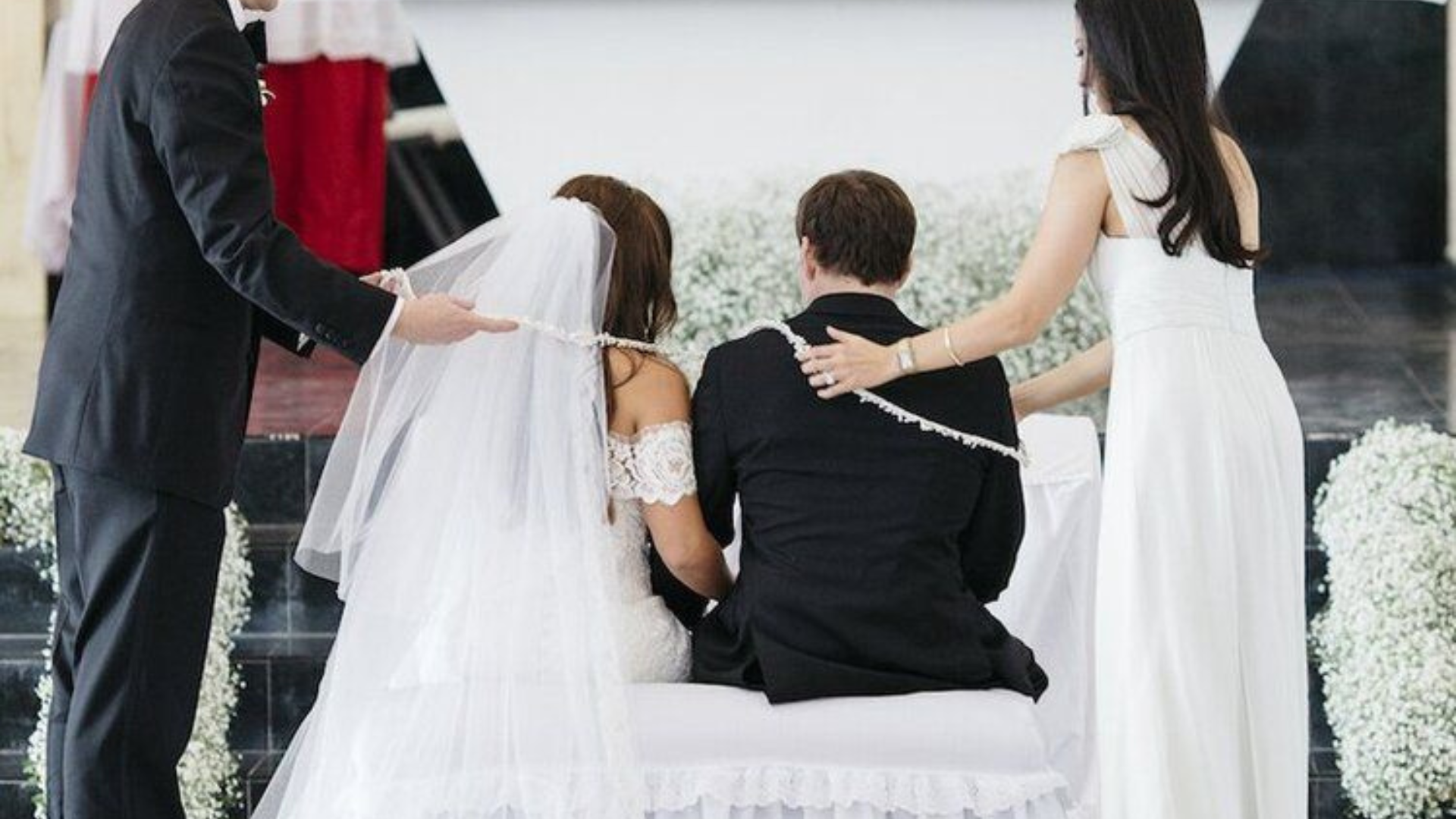
3. The Lasso Ceremony (Mexico)
© Pinterest/ Pacific Engagements
The lasso ceremony involves placing a loop around the couple to physically bind them together. It is quiet, symbolic, and deeply intimate. Unlike visual spectacle, this ritual is about stillness and commitment. It transforms a moment into something permanent and grounded.
Best Time: During the ceremony
Style: Soft, traditional silhouettes
Styling Tip: Keep the setting minimal to highlight the gesture
Must-Know: It represents unity and lifelong connection
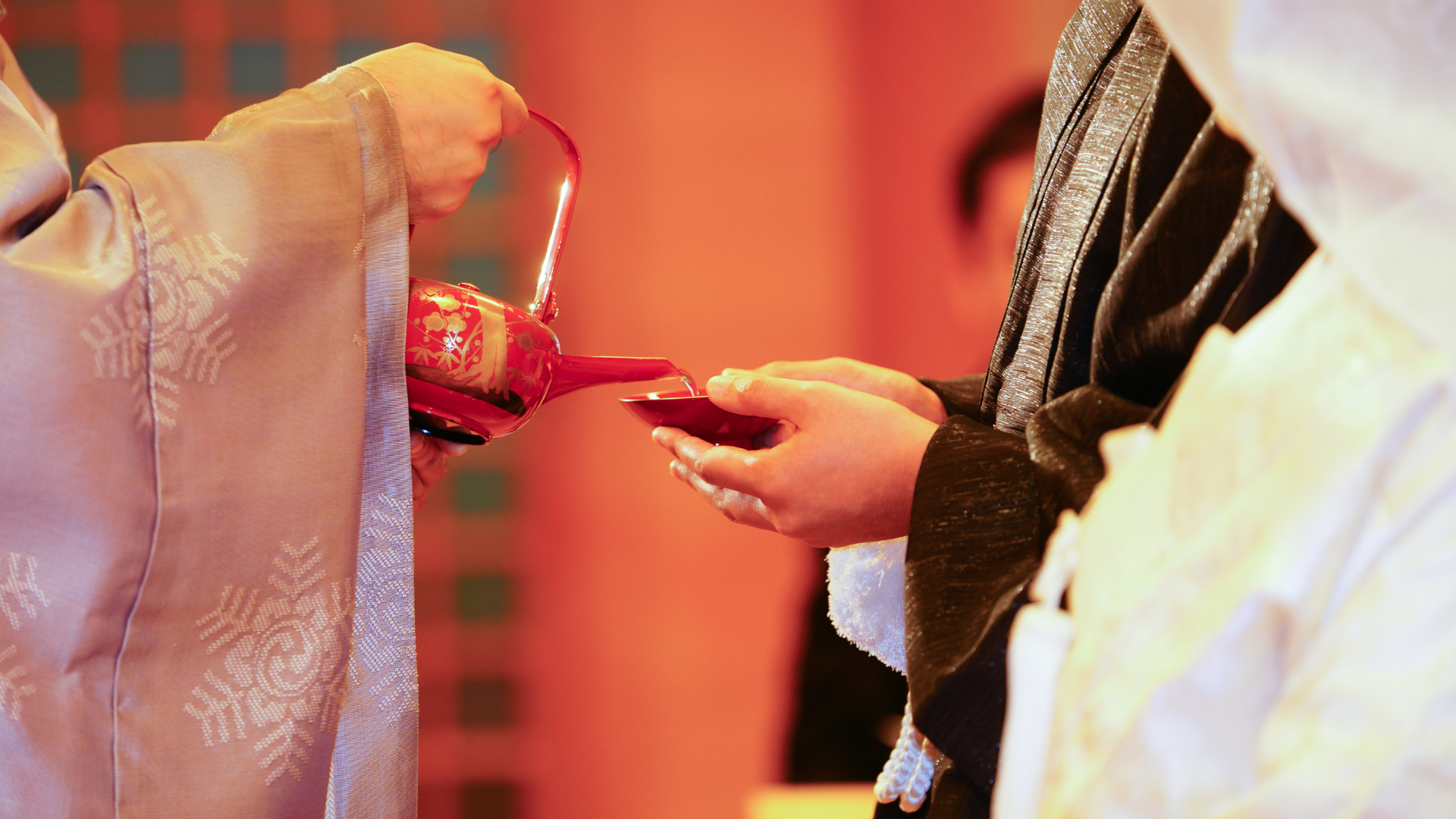
4. San-san-kudo Sake Ritual (Japan)
© Shutterstock/ makieni
This ritual involves the couple taking measured sips of sake from shared cups. Each sip carries symbolic weight, representing the joining of families. The pace is slow and intentional, reinforcing mindfulness. It’s less performative and more reflective.
Best Time: Ceremony moment
Style: Structured, traditional attire
Styling Tip: Maintain a calm, uncluttered setting
Must-Know: Each sip represents harmony and union
5. Paebaek Ceremony (Korea)
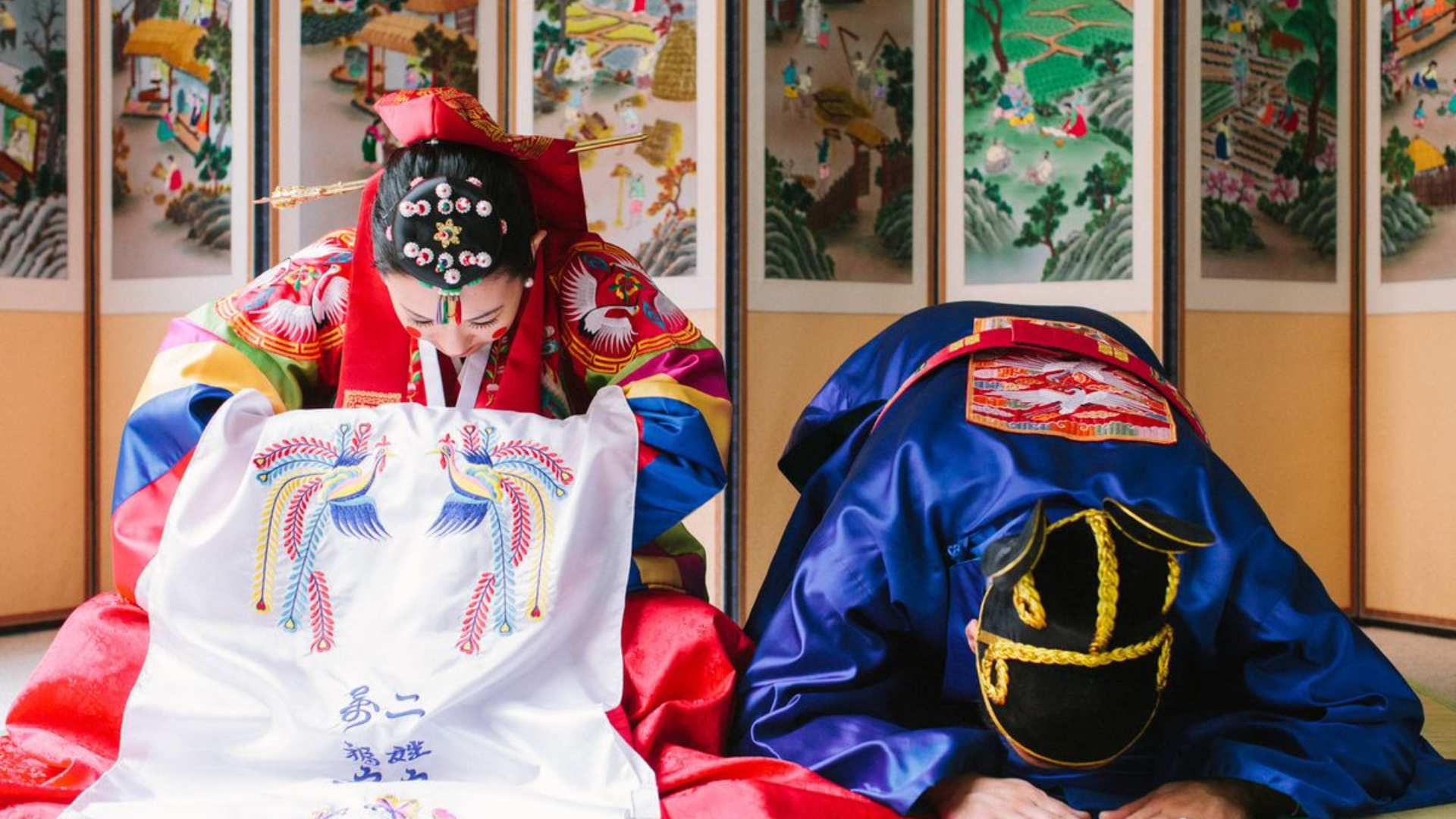
© Pinterest/LEEHWA
In this post-wedding ritual, the couple bows to elders and receives blessings. Dates and chestnuts are tossed to symbolize future children. It blends respect, playfulness, and symbolism. The interaction between generations becomes central.
Best Time: After the ceremony
Use It With: Traditional garments
Styling Tip: Create a seated, intimate setting
Must-Know: It honors family and future lineage
6. Sofreh Aghd Display (Iran)
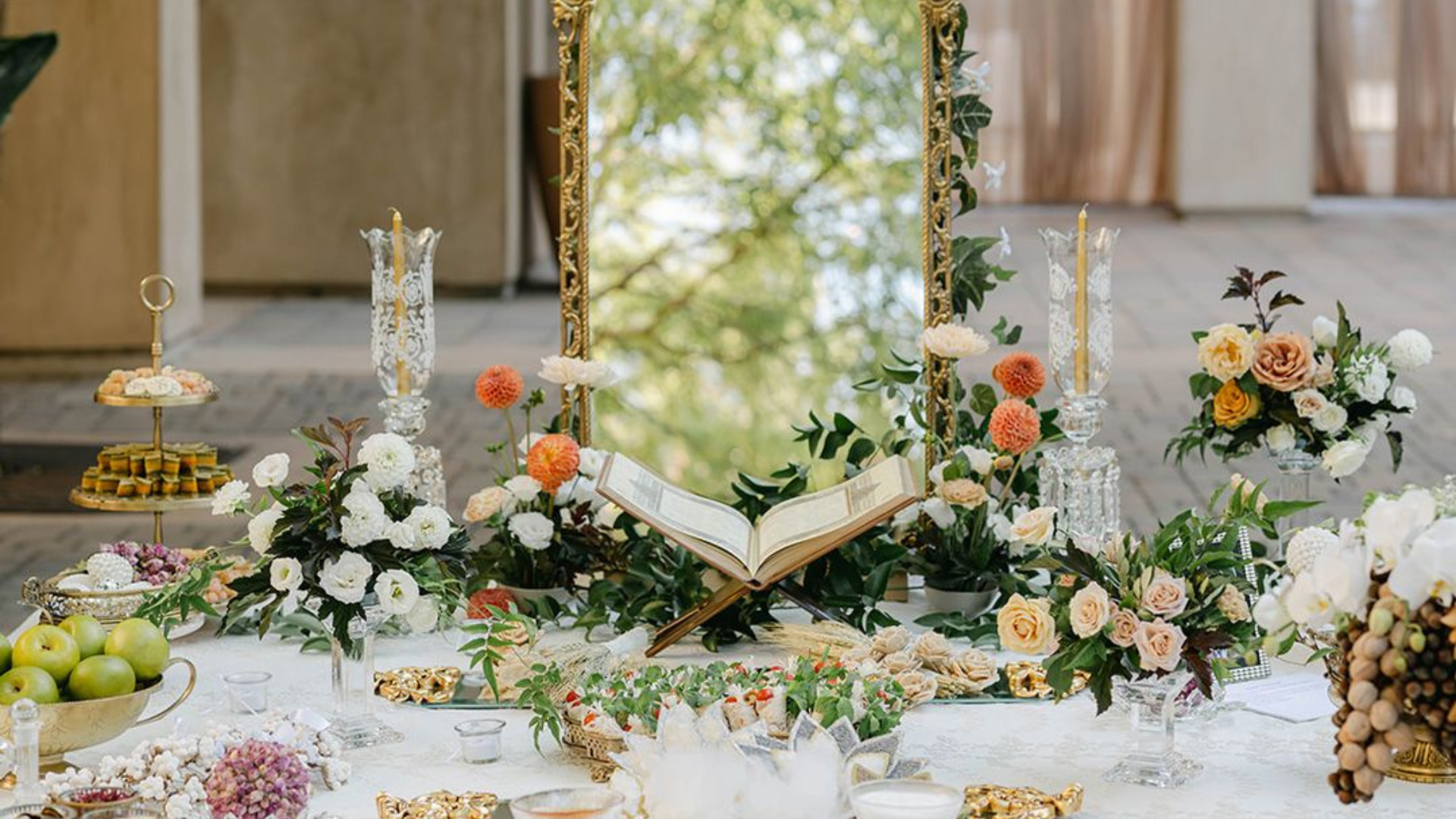
© Pinterest/Petra Matar
The Sofreh Aghd is a ceremonial spread filled with symbolic items like mirrors, candles, and sweets. Each object represents a wish for the couple’s future, light, prosperity, fertility. Visually, it is rich but intentional. Nothing is decorative without meaning.
Best Time: Ceremony setup
Style: Ornate, layered textures
Styling Tip: Arrange elements symmetrically
Must-Know: Every item carries symbolic significance
7. Money Dance (Cuba and Latin Cultures)
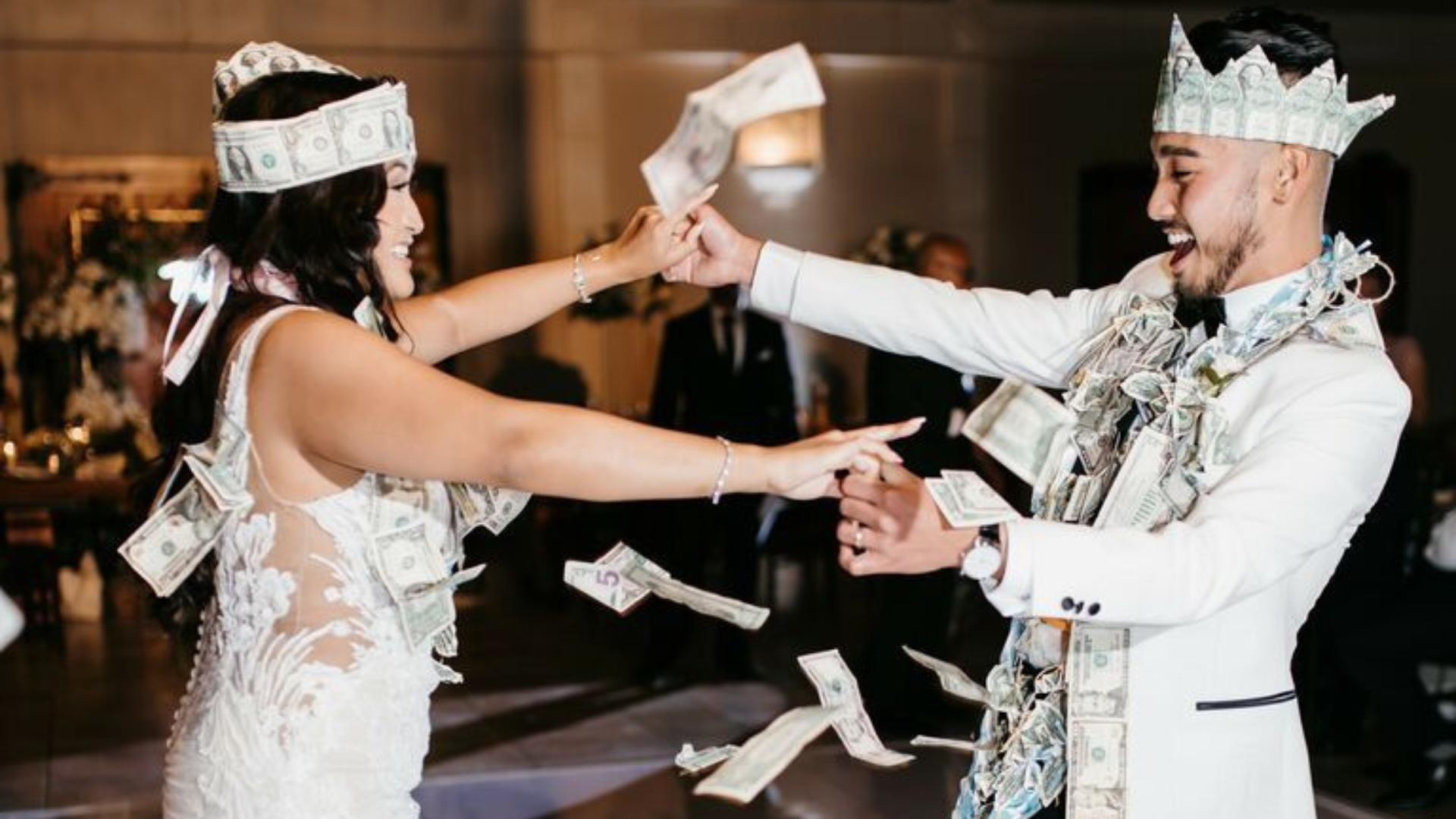
© Pinterest/ Cathia Brunot
Guests pin money onto the bride or couple during the reception. It’s celebratory but also practical, contributing to their future. The energy is interactive and communal. It shifts the focus from performance to participation.
Best Time: Reception
Use It With: Festive, high-energy settings
Styling Tip: Keep movement fluid and unstructured
Must-Know: It symbolizes financial support and celebration
8. Quaich Sharing (Scotland)
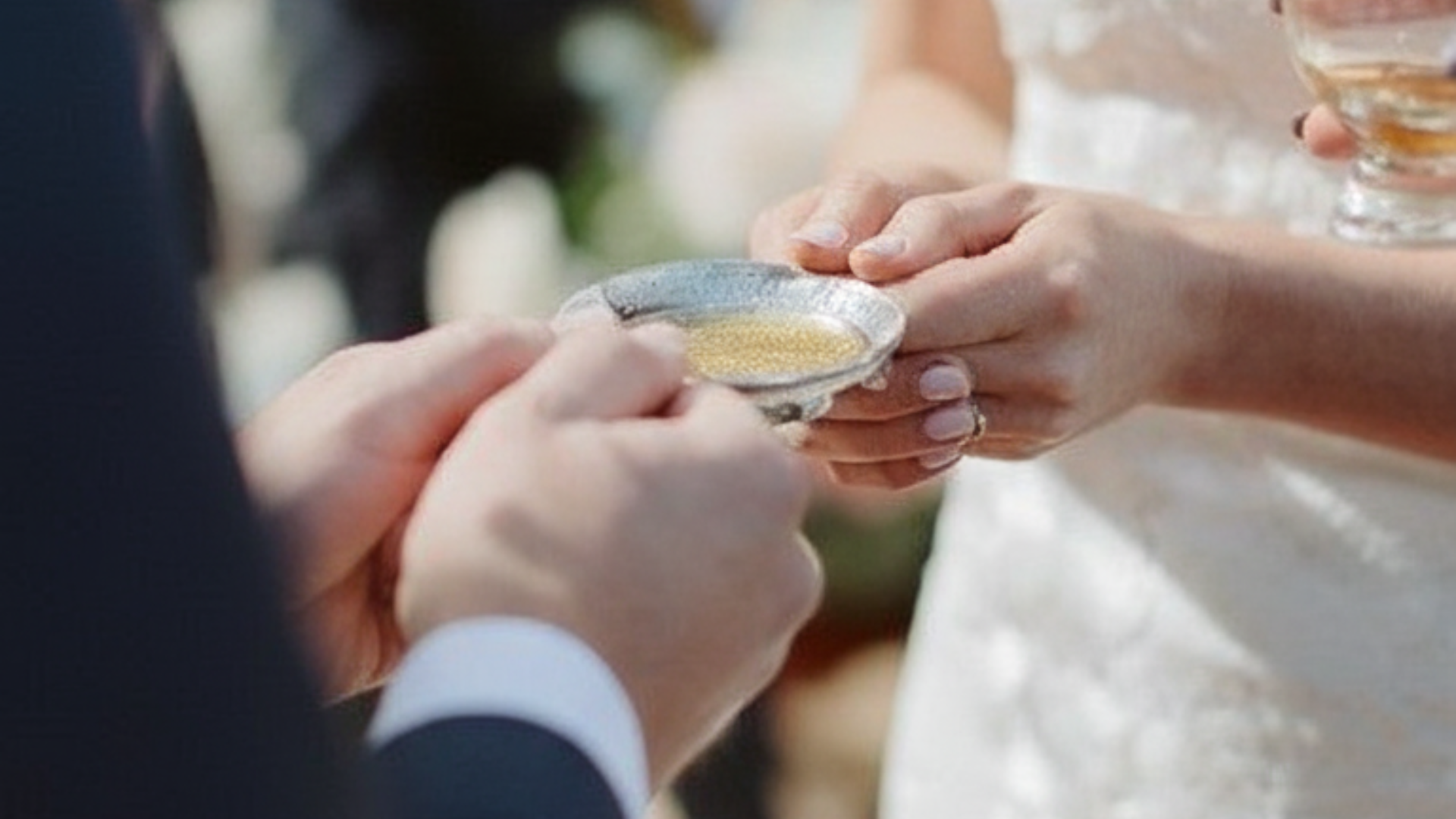
© Pinterest/abregistrars
The quaich, a two-handled cup, is shared between the couple to symbolize trust. Drinking from the same vessel represents unity and openness. It’s simple but deeply symbolic. The gesture feels grounded and sincere.
Best Time: Ceremony
Style: Classic, heritage styling
Styling Tip: Keep the moment quiet and focused
Must-Know: Sharing the cup signifies mutual trust
9. Moroccan Hammam & Henna Rituals
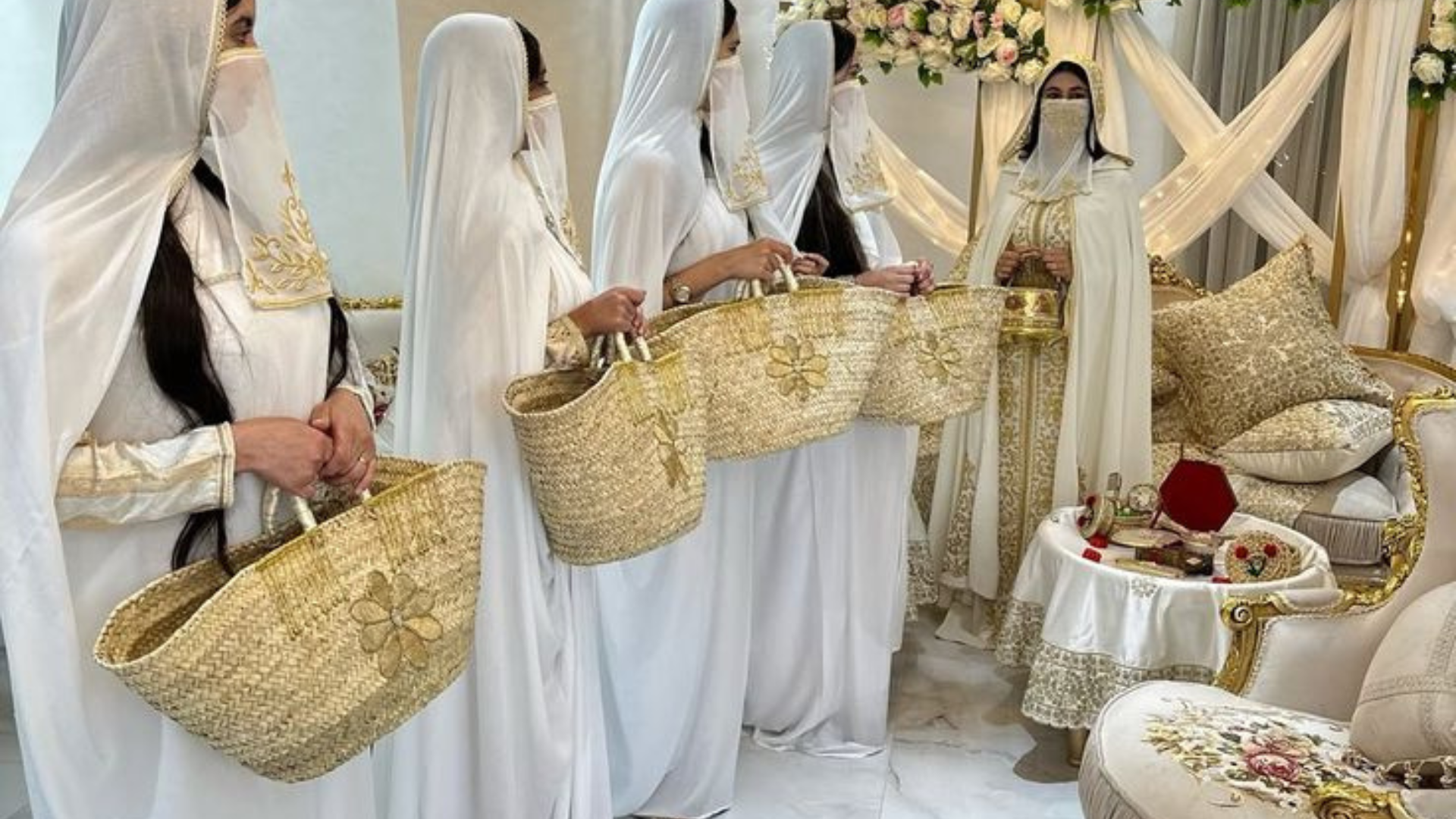
© Pinterest/ ִ ࣪𝑴𝑶𝑶𝑹𝑰𝑺𝑯 𝑮𝑰𝑹𝑳ִ
Before the wedding, Moroccan brides undergo cleansing rituals in a hammam, followed by intricate henna application. It is both physical and symbolic preparation. The process is slow, detailed, and communal. Beauty and ritual become intertwined.
Best Time: Days before the wedding
Use It With: Intricate traditional attire
Styling Tip: Focus on detail-driven environments
Must-Know: It represents purification and protection

Comments (0)
No comments yet. Be the first to share your thoughts!