Religion has influenced fashion in ways that are both visible and deeply layered. Sacred garments, devotional symbols, prayer objects, and traditional head coverings have moved from places of worship into designer collections, celebrity wardrobes, tattoos, jewelry, and casual streetwear. In some cases, these references are used to express faith or cultural identity. In others, they raise questions about whether sacred meaning has been respected or reduced to decoration. From Catholic vestments to modest fashion and spiritual symbols, religion continues to shape how people dress, accessorize, and communicate identity through style.
1. Catholic vestments and ceremonial fashion
© ShutterStock / AnnaStills
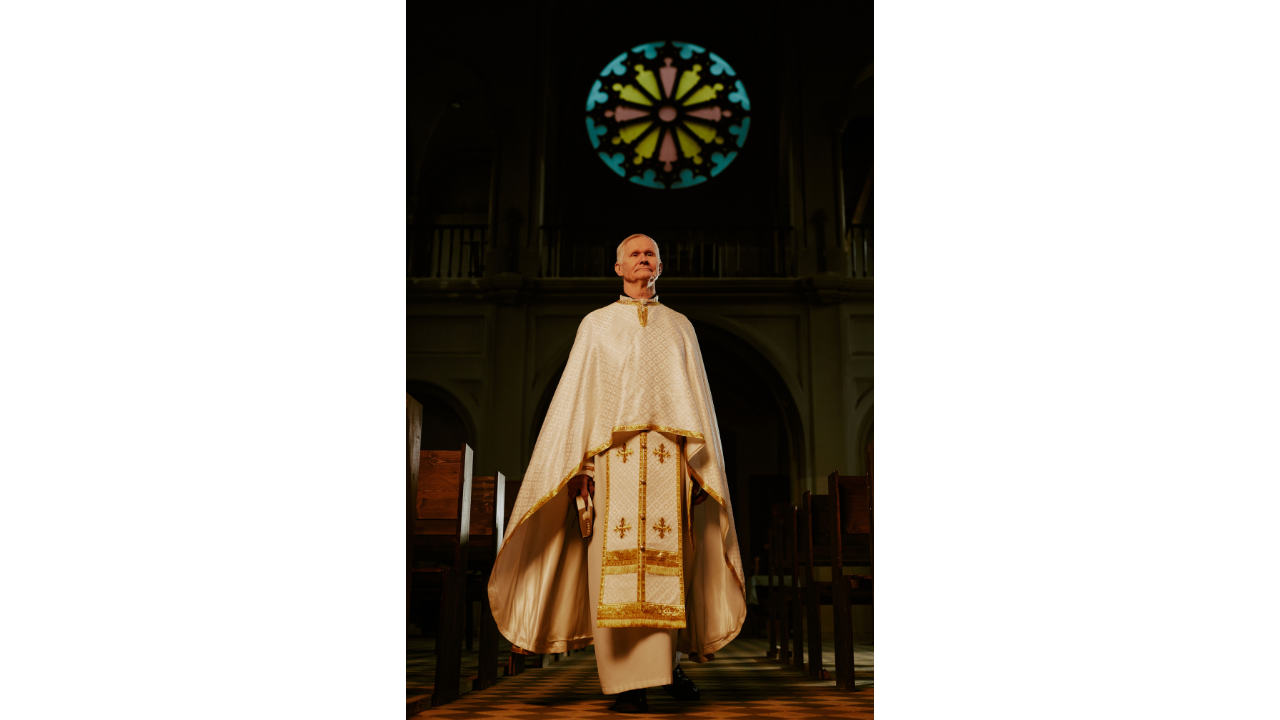
Catholic ceremonial dress has long inspired fashion because of its strong visual language. Garments such as cassocks, stoles, collars, albs, and chasubles are designed with structure, symbolism, and ritual purpose. Their shapes and details naturally lend themselves to dramatic fashion interpretation. Designers have often borrowed from this world through flowing robes, cape-like silhouettes, ornate embroidery, and rich fabrics. Gold detailing, deep colors, and formal layering give these references a sense of grandeur, making Catholic-inspired clothing one of the most recognizable religious influences in high fashion.
2. Religious themes on the runway
© Martha Steward Wedding
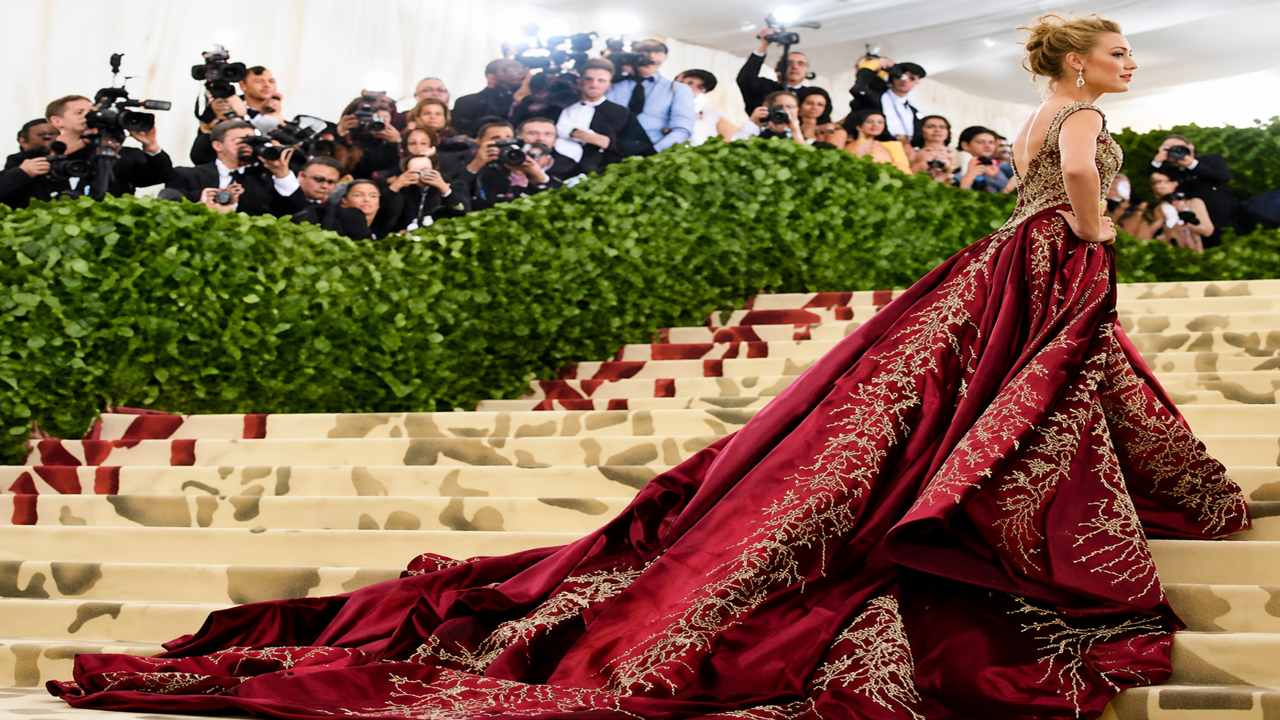
Runway fashion often turns to religion for visual storytelling, especially when designers want to create a sense of ceremony or symbolism. Catholic imagery has appeared in many collections through embellished capes, sculptural headpieces, long robes, and cross-inspired accessories. One of the clearest examples came during the 2018 Met Gala, when the theme explored fashion and the Catholic imagination. The event showed how religious art, church dress, and designer creativity can overlap in striking ways. It also reminded audiences that sacred references carry meaning beyond their visual beauty.
3. The cross as a fashion accessory
© ShutterStock / Best smile studio
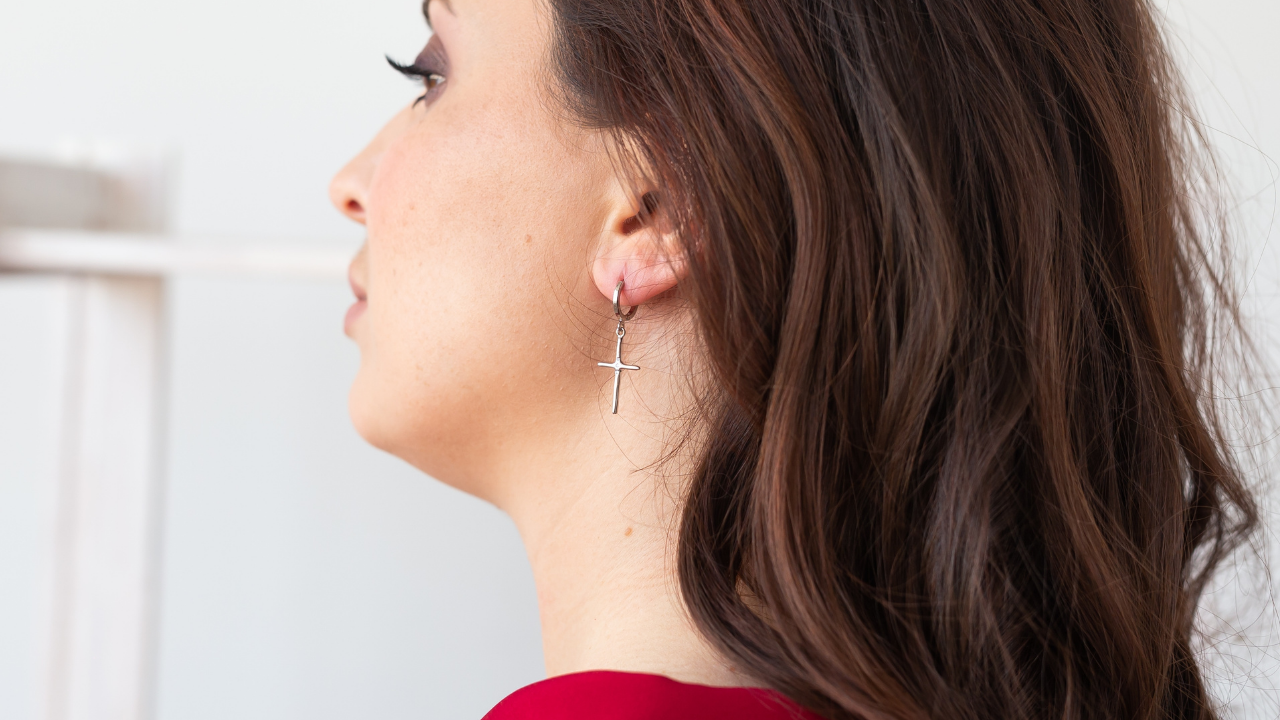
The cross is one of the most familiar symbols in Christianity. For many people, wearing it is a personal expression of belief, devotion, or family tradition. It has appeared for centuries in religious spaces, ceremonial dress, and everyday jewelry. In fashion, the cross has become a widely used motif on necklaces, earrings, rings, clothing, and tattoos. Some wear it as a sacred symbol, while others choose it for its simple shape and cultural familiarity. This dual role makes the cross one of the clearest examples of how religious meaning can shift when it enters mainstream style.
4. Rosary beads beyond prayer
© Shutterstock / PeopleImages
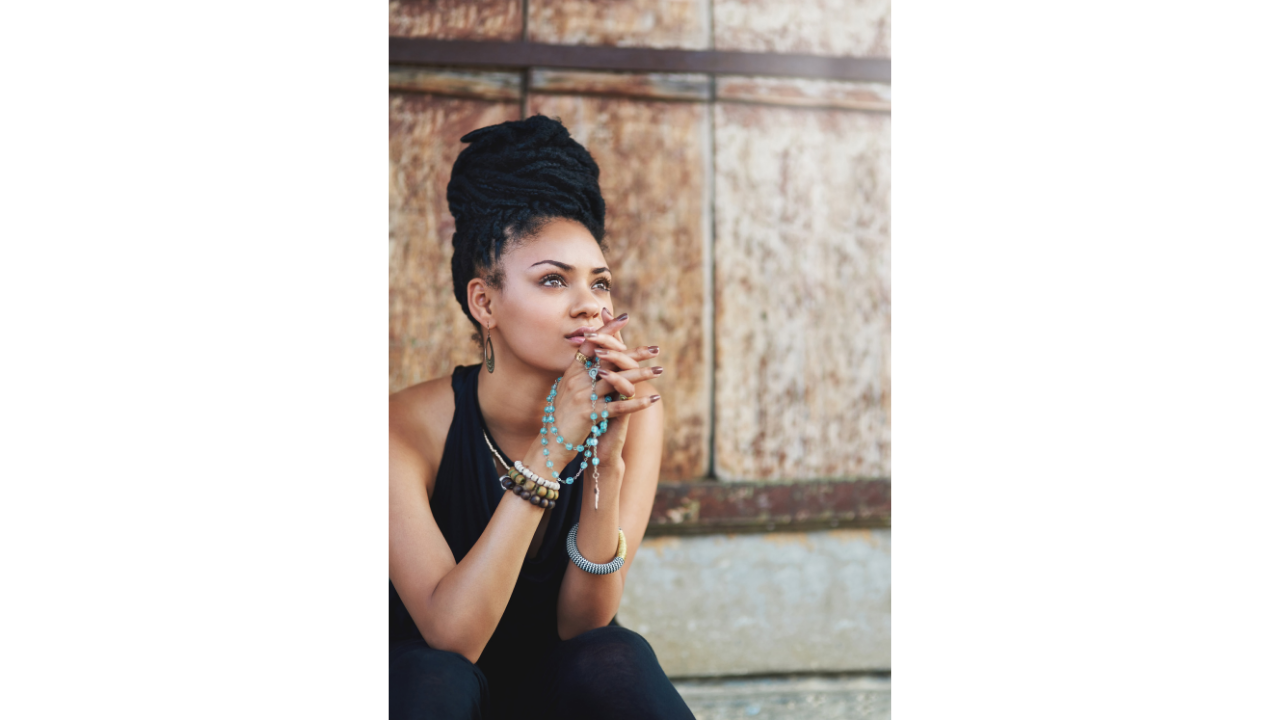
Rosary beads are used in Christian prayer as a devotional object meant to guide reflection and meditation. Their original purpose is spiritual, which makes their movement into fashion especially complex. Over time, rosary inspired necklaces, bracelets, and tattoo designs have appeared in celebrity style and street fashion. Their delicate structure and symbolic associations have made them visually appealing, but their use outside religious practice can feel sensitive. The meaning often depends on whether the wearer treats them as faith-based objects or purely decorative accessories.
5. The Virgin Mary in clothing and design
© ShutterStock / Rawpixel.com
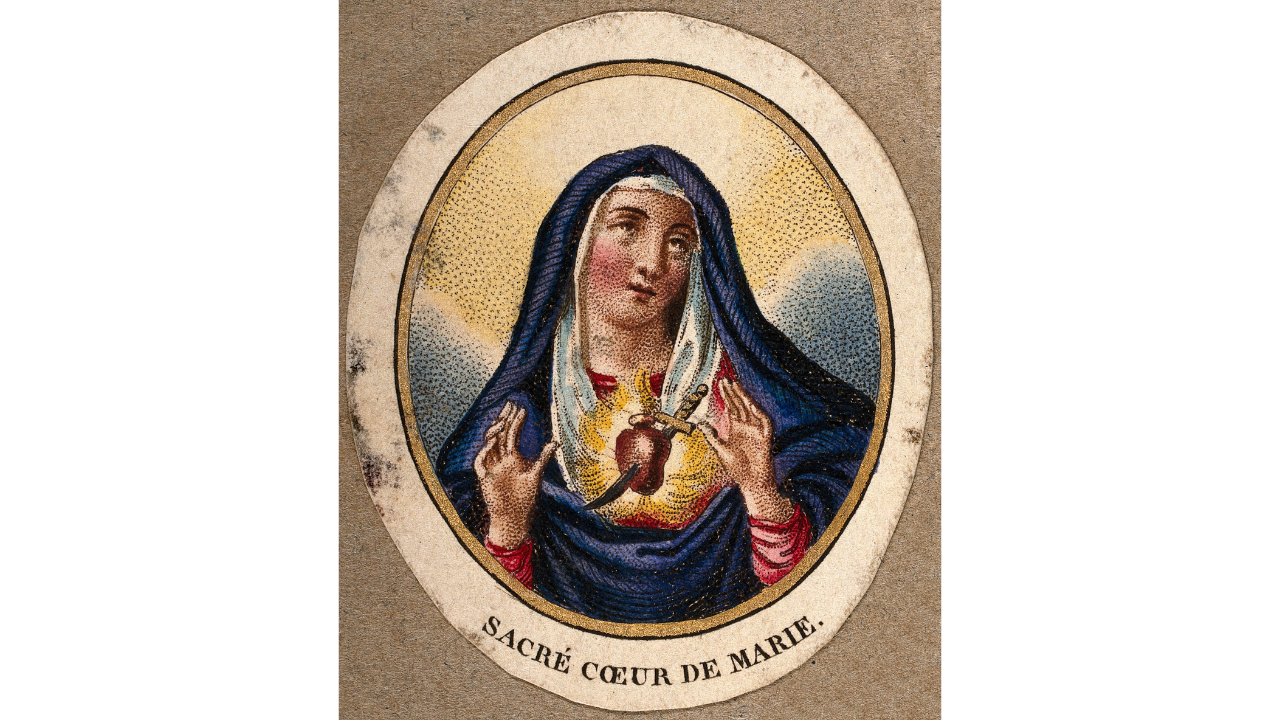
Images of the Virgin Mary hold deep importance in Christian devotion, especially in cultures where her image is tied to faith, protection, and identity. Our Lady of Guadalupe, for example, carries strong cultural and religious significance in Mexico and beyond. Fashion has used images of Mary on shirts, jewelry, veils, accessories, and tattoos. These designs can feel deeply personal when worn as acts of devotion. They can also feel disconnected from their roots when used only for visual effect. This is why context matters so much when sacred figures appear in fashion.
6. Pop music and religious styling
© Martha Stewart Wedding
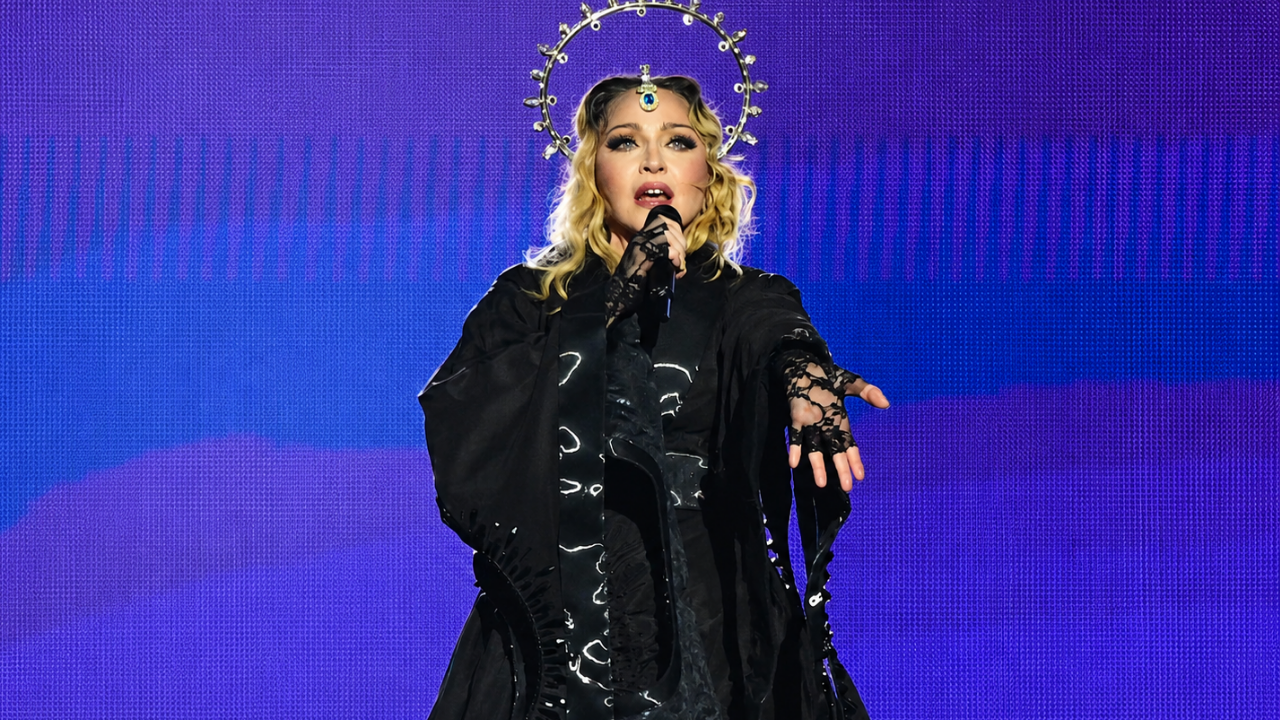
Music has helped bring religious fashion into mainstream pop culture. Artists have used crosses, saint medallions, rosary-inspired jewelry, religious imagery, and church-influenced styling to create memorable visual identities. Madonna is one of the most famous examples of a performer who blended religious symbolism with music and fashion. Her use of Catholic imagery opened conversations about faith, performance, provocation, and style. Since then, religious accessories have continued to appear in music videos, stage costumes, album visuals, and celebrity wardrobes.
7. The hijab and the rise of modest fashion
© ShutterStock / Maria Markevich
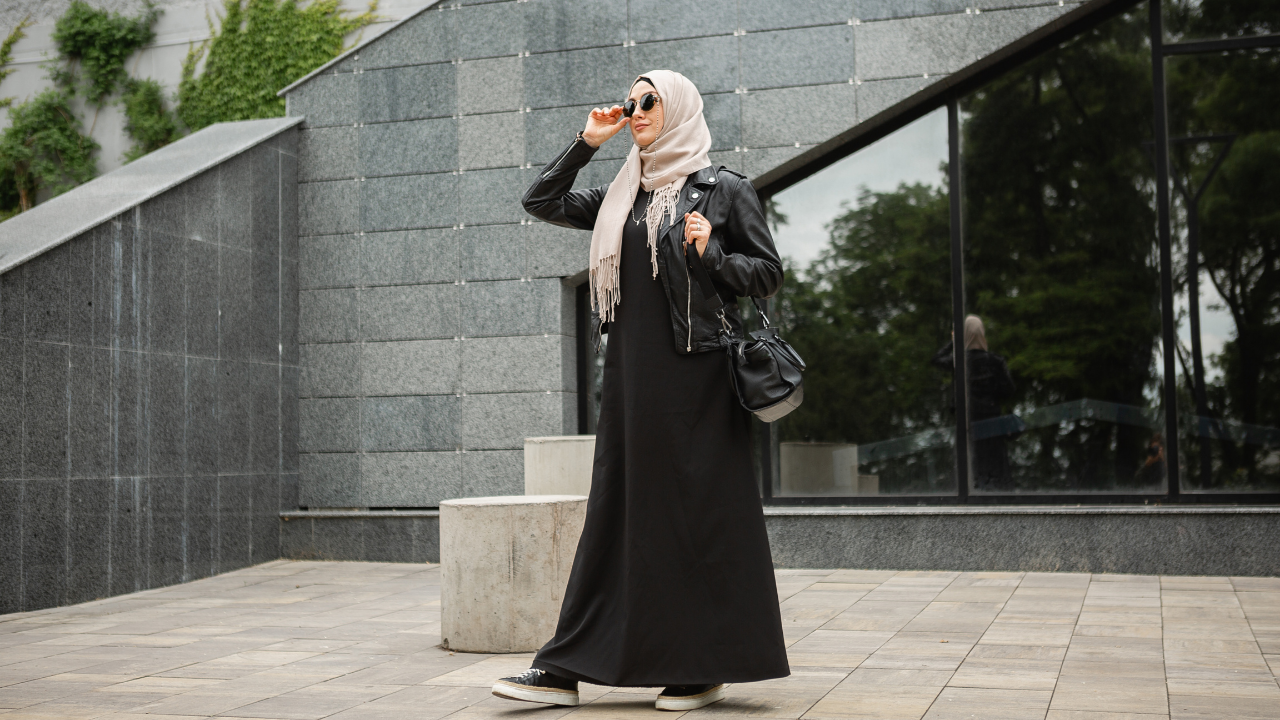
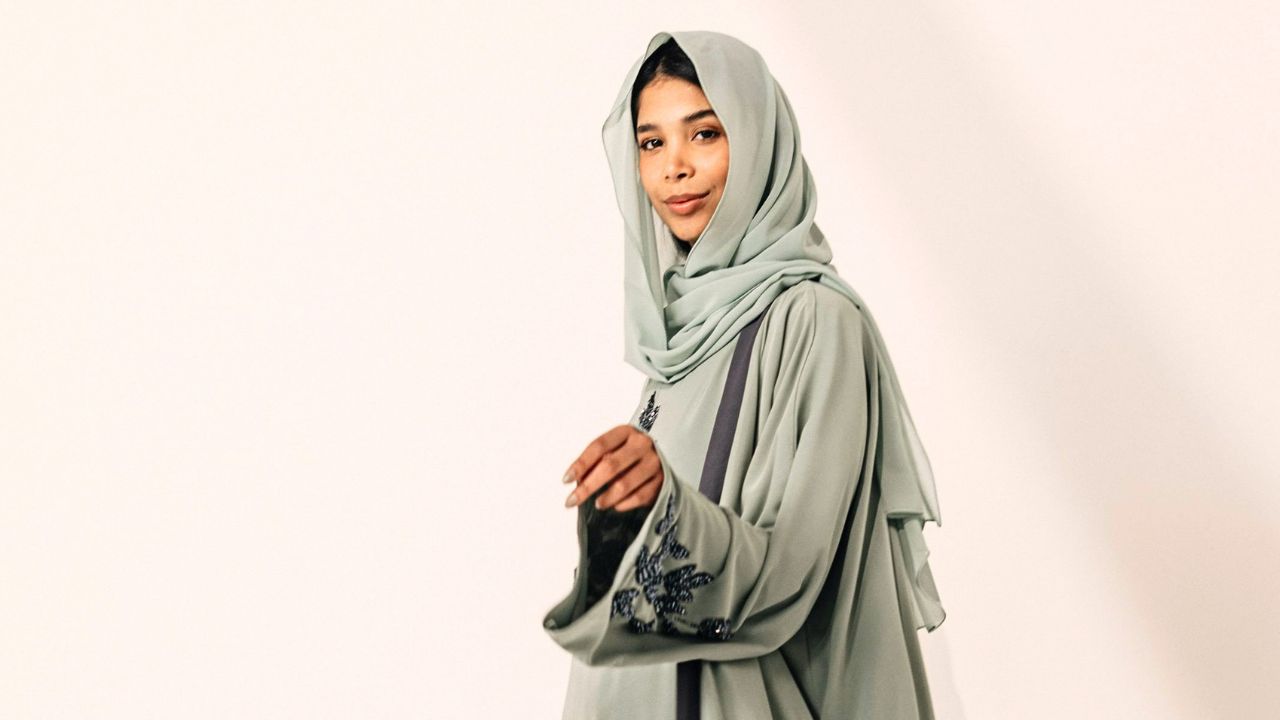
The hijab is worn by many Muslim women as an expression of modesty, faith, and personal identity. It can be styled in different fabrics, colors, and patterns, allowing religious practice and personal style to exist together. Modest fashion has grown into a major part of the global fashion industry. Long dresses, loose tailoring, layered outfits, elegant scarves, and covered silhouettes now appear in designer collections and everyday wardrobes. This shift has expanded the idea of what modern fashion can look like while giving visibility to women who dress with modesty as a central value.
8. The turban and spiritual identity

© ShutterStock / Oleggg
The Sikh turban, known as the dastar, has deep religious and cultural significance. It is commonly worn by Sikh men as a sign of commitment, discipline, dignity, and connection to the teachings of the Sikh Gurus. Fashion has sometimes adopted turban-inspired headwear in women’s wear, editorial styling, and street style. While head wrapping traditions exist in many cultures, the Sikh turban carries a specific meaning that should not be ignored. When designers use similar shapes, thoughtful context and respect are essential.
9. Mandalas as spiritual patterns and modern motifs

© ShutterStock / Zamrznuti tonovi
Mandalas are geometric designs with spiritual significance in Hinduism and Buddhism. Their circular forms are often connected to meditation, ritual practice, balance, and the structure of the universe. In modern fashion and decor, mandala patterns appear on clothing, bags, jewelry, tapestries, bedding, and tattoos. Many people are drawn to their symmetry and visual beauty. However, when these designs are used only as decorative patterns, their deeper spiritual role can become overlooked.
10. Sacred calligraphy in tattoos and fashion

© Shutterstock / LightField Studios
Arabic and Sanskrit calligraphy both carry sacred and cultural significance. Arabic is central to the Quran, while Sanskrit appears in Hindu and Buddhist texts. These scripts are valued not only for their appearance but also for their connection to scripture, prayer, and tradition. In contemporary fashion and tattoo culture, sacred scripts are often chosen for their beauty and sense of mystery. Celebrities have helped popularize this trend, but it can become problematic when the wearer does not understand the meaning or religious importance of the words. Sacred writing requires care because placement, translation, and context all matter.
11. Buddha imagery in clothing and decor
© Martha Steward Wedding
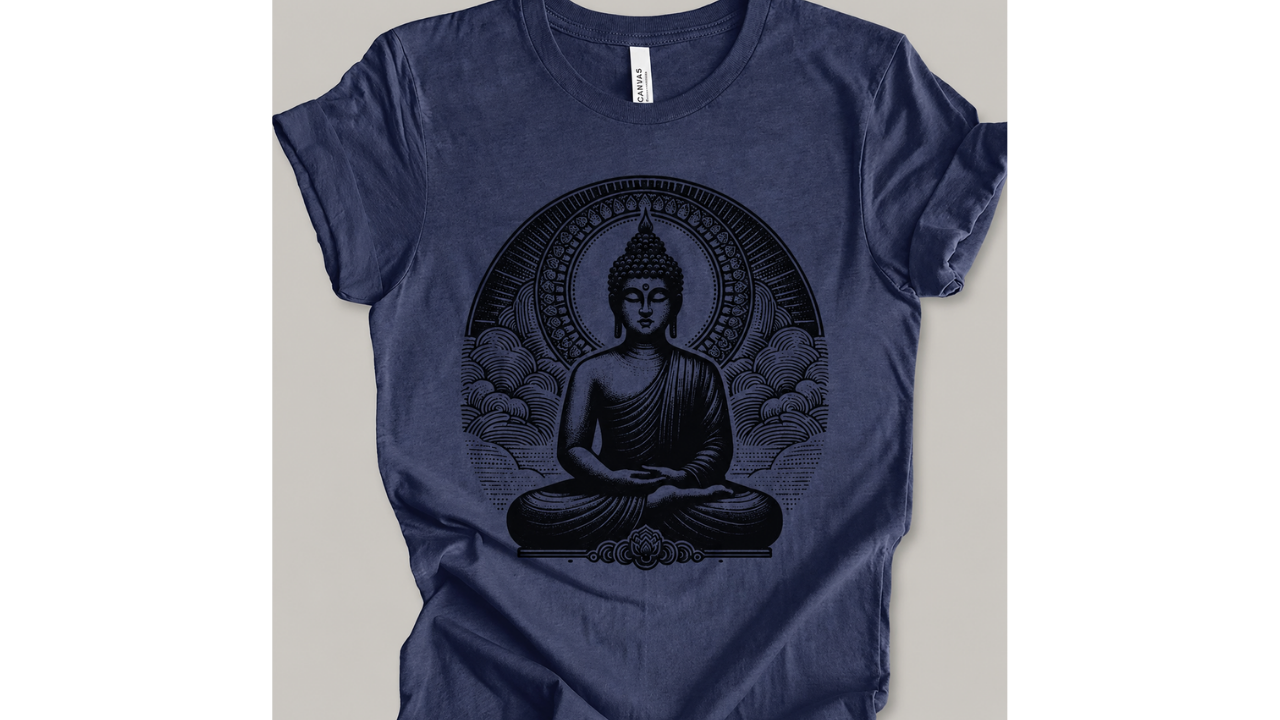
Images of the Buddha appear in many forms across Buddhist traditions and cultural settings. Some depictions represent Siddhartha Gautama, while others, such as the laughing Buddha, come from different historical and cultural traditions. In fashion and home decor, Buddha images have become common on shirts, jewelry, statues, garden pieces, and tattoos. Many people associate them with calmness, peace, or good fortune. For Buddhists, however, these images can carry spiritual reverence, which makes casual or careless use a sensitive issue.
12. The keffiyeh as identity and style
© Shutterstock / PeopleImages
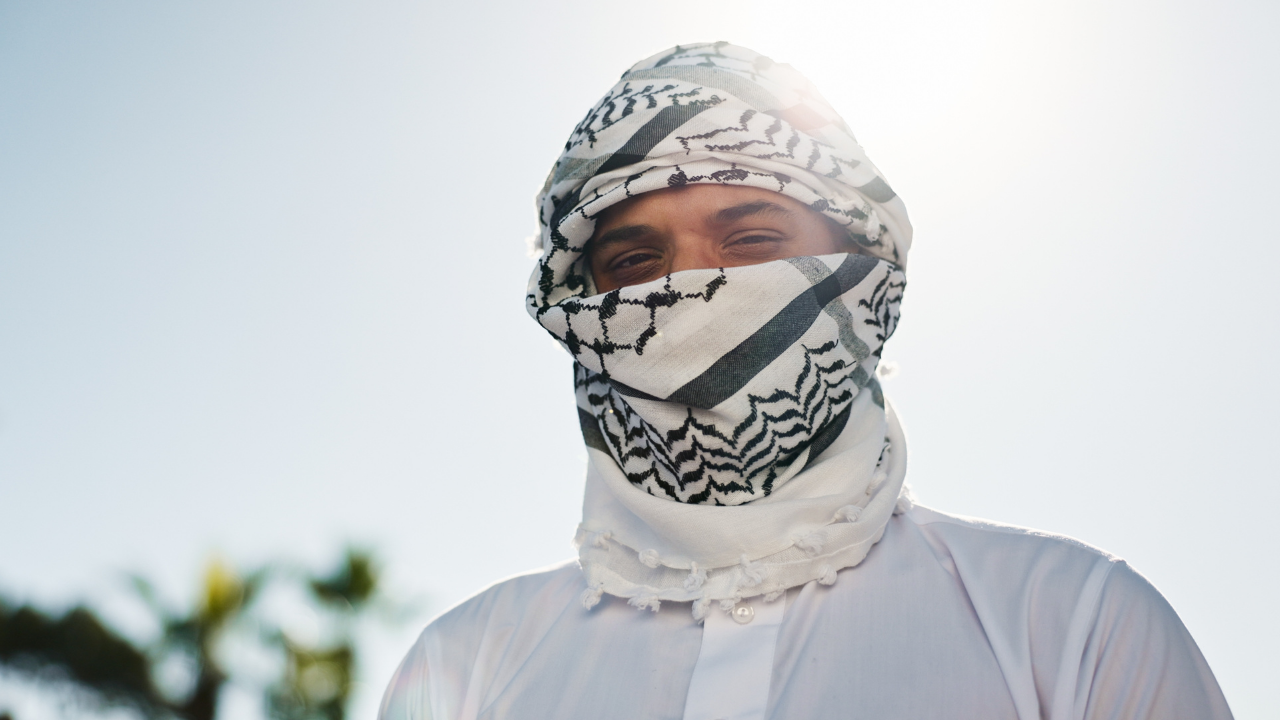
The keffiyeh is a traditional scarf with strong cultural meaning in the Middle East. Its checked pattern is especially associated with Palestinian identity, heritage, and resilience. Traditionally worn by men, it has become much more than a simple accessory. In fashion, the keffiyeh pattern has appeared in streetwear, celebrity outfits, and designer styling. Some wear it to express heritage or solidarity, while others adopt the pattern without understanding its background. This makes it one of the clearest examples of how fashion can turn a meaningful cultural item into a wider style trend.
13. Kabbalah and the red string bracelet
© ShutterStock / DenisProduction.com
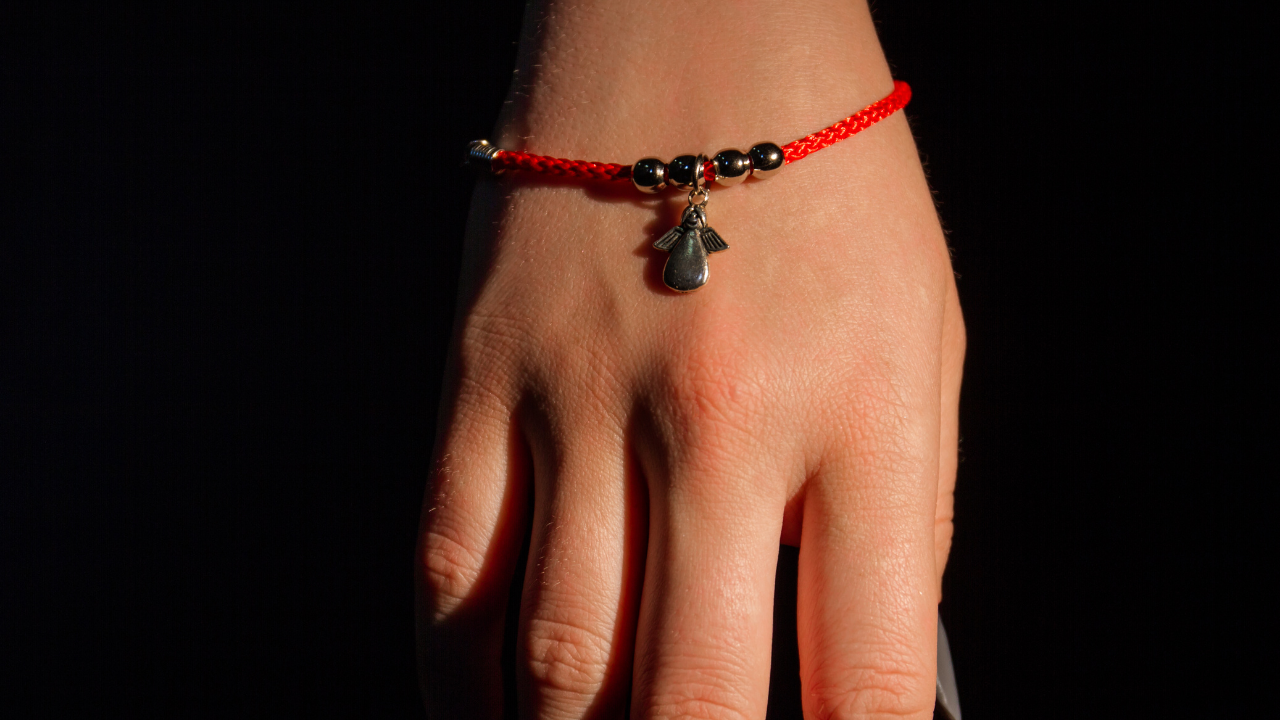
Kabbalah is a mystical tradition within Judaism that explores spiritual meaning and divine understanding. In the late 1990s and early 2000s, it gained wider attention through celebrity interest and public discussion. The red string bracelet became one of the most recognizable fashion items connected to this movement. Worn by celebrities and followers, it moved quickly from spiritual symbol to popular accessory. Its rise showed how celebrity culture can transform a religious or mystical object into a mainstream fashion statement.
14. Angels and celestial fashion imagery
© ShutterStock / yurakrasil
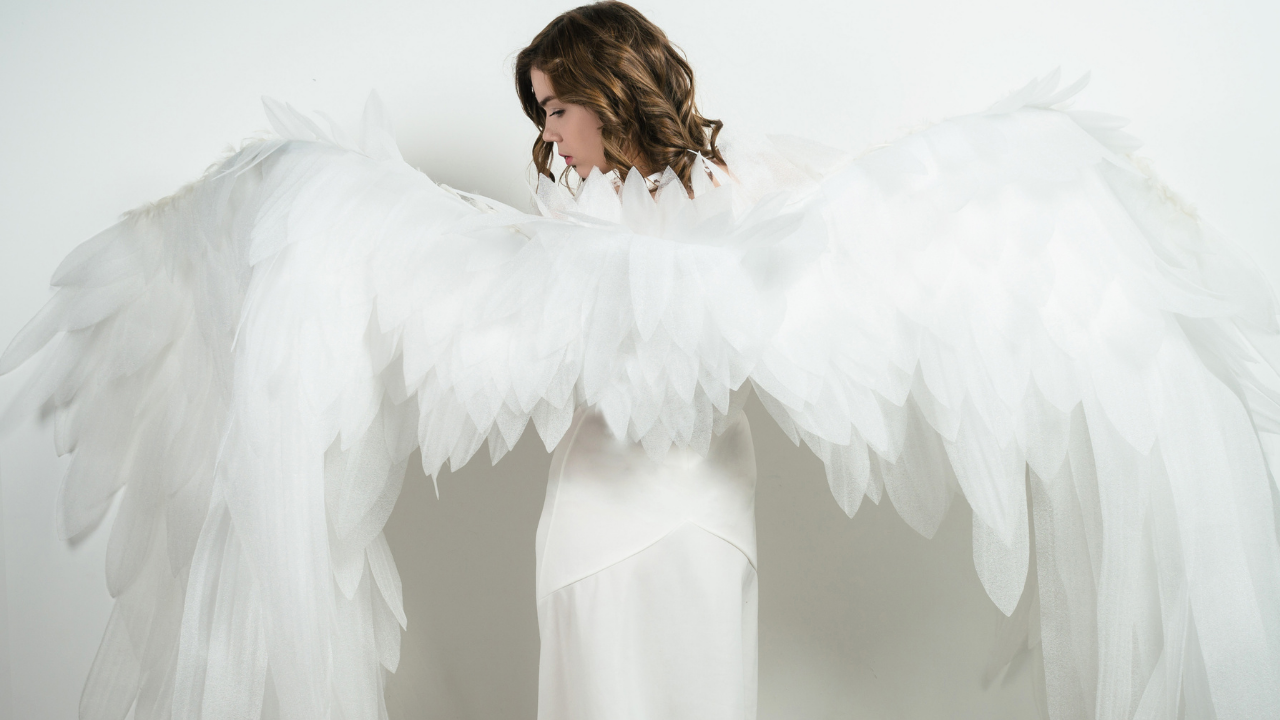
Angels appear in many religious traditions as messengers, protectors, or spiritual beings. They are often imagined with wings, halos, and soft celestial beauty, which makes them naturally appealing to fashion designers. Angel-inspired fashion appears through feathered wings, white garments, glowing headpieces, and ethereal styling. Victoria’s Secret helped make angel wings a recognizable runway image through its famous Angels. Although the fashion version is often more fantasy based than religious, it still draws from spiritual imagery.
15. Religious souvenirs and everyday wardrobes
© ShutterStock / onapalmtree
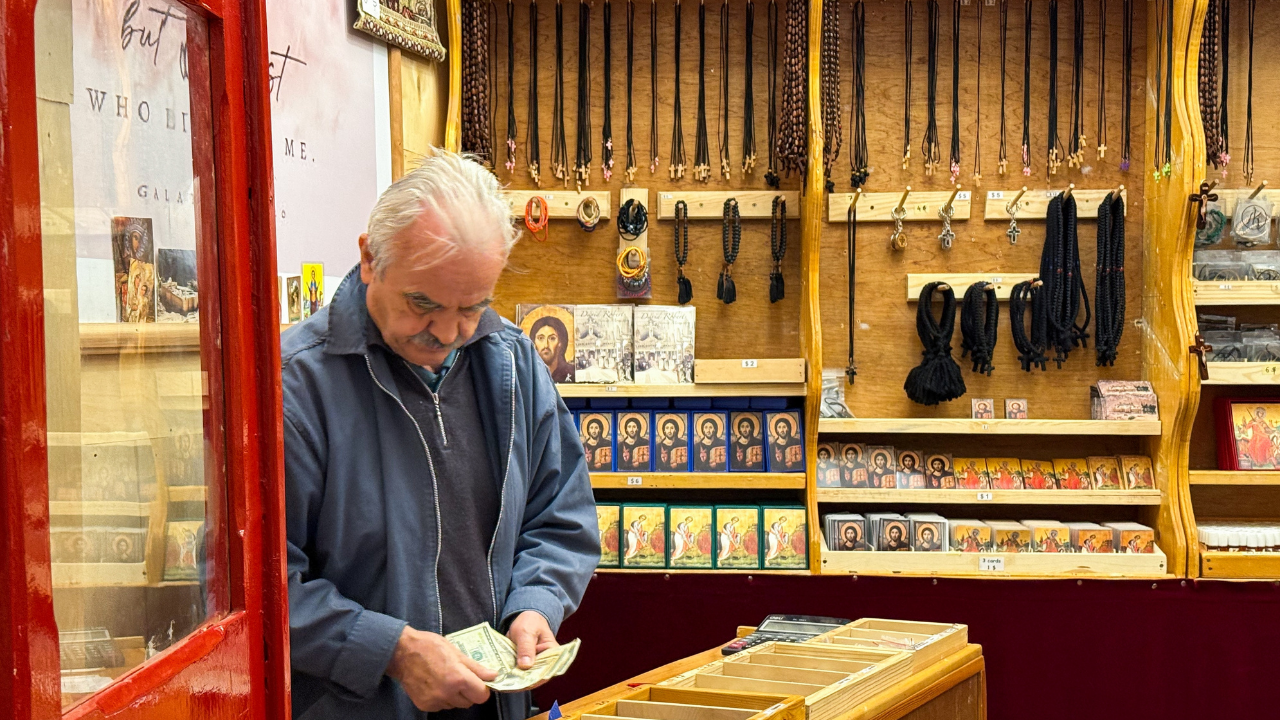
Religious influence is not limited to couture or celebrity fashion. It also appears in everyday items such as printed shirts, novelty socks, charms, tourist souvenirs, and casual accessories. These pieces often use religious figures, slogans, or symbols in playful or commercial ways. A shirt with a faith based slogan, a necklace bought from a pilgrimage site, or socks printed with a religious figure all show how religion enters ordinary wardrobes. Some items are worn with devotion, while others are chosen for humor, nostalgia, or design. Together, they show how deeply religious imagery has become woven into fashion at every level.

Comments (0)
No comments yet. Be the first to share your thoughts!