Current Date: 13 May, 2026

Wedding traditions from around the world and what they symbolize

Weddings are deeply rooted in culture, and across the world, different traditions reflect shared values like love, unity, prosperity, and new beginnings. While ceremonies may look very different from one country to another, each ritual carries meaning that has been passed down through generations. These customs often blend celebration with symbolism, making weddings not just events, but cultural expressions.

Exploring these traditions offers insight into how different societies honor marriage. From playful rituals to deeply spiritual moments, each one adds a unique layer to the way couples begin their lives together.

1. Wales: Myrtle in the bouquet
1. Wales: Myrtle in the bouquet
© shutterstock / Dmytro Sheremeta

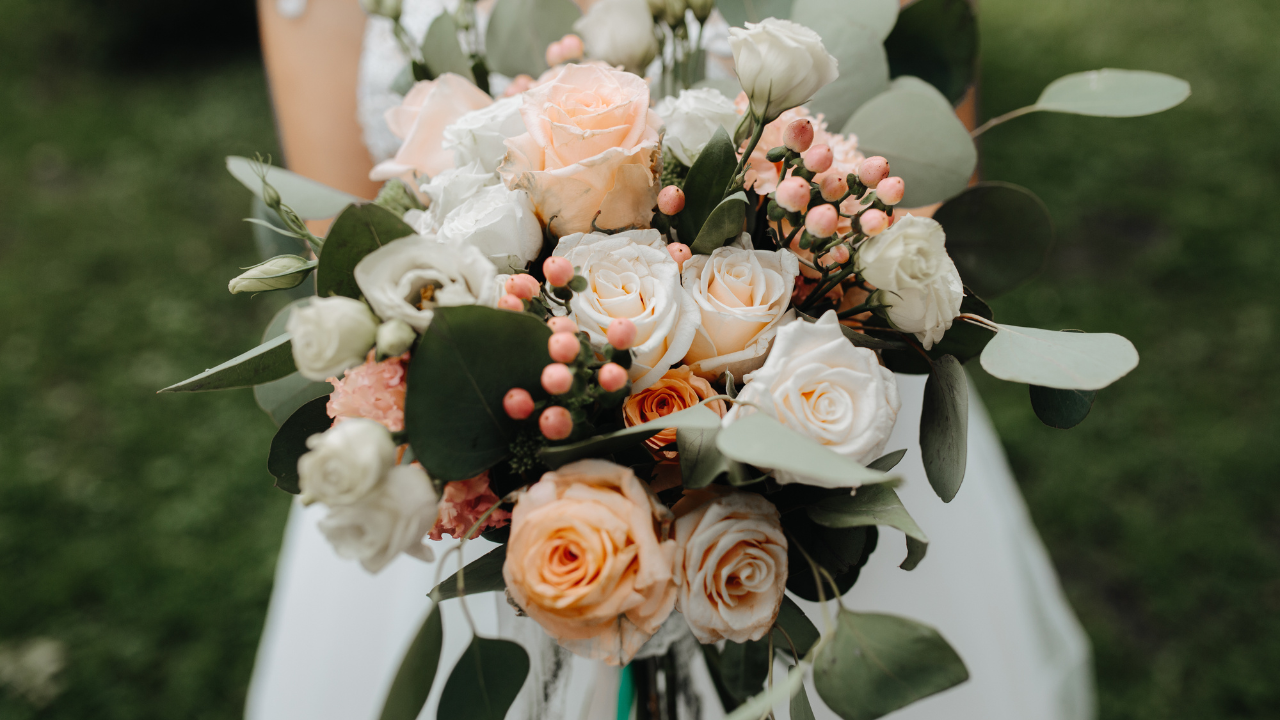
In Welsh wedding tradition, myrtle is an important part of the bridal bouquet. The plant has long been associated with love and lasting relationships, making it a meaningful addition to the ceremony. After the wedding, the bride often gives small cuttings of the myrtle to her bridesmaids.

These cuttings are then planted, and it is believed that if they grow and bloom, the bridesmaid may be the next to marry. This tradition connects the wedding to future celebrations and creates a sense of continuity among friends and family.

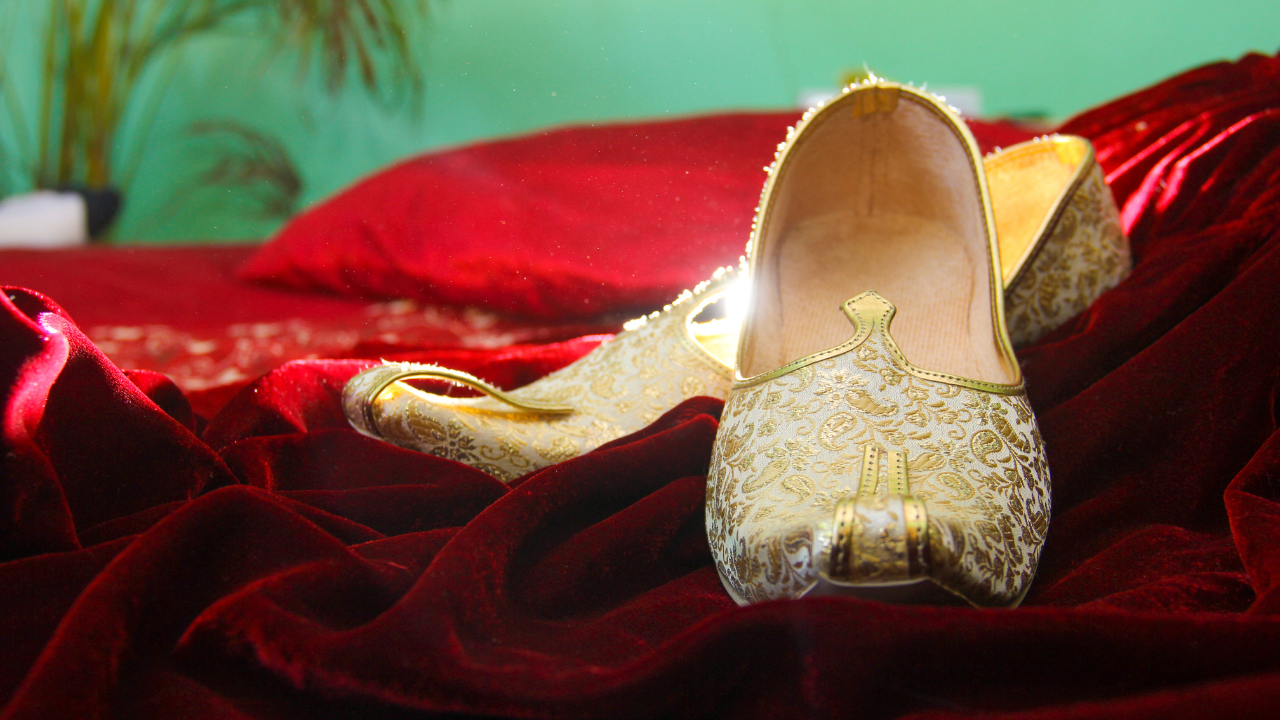
2. India: Joota chupai

2. India: Joota chupai
© shutterstock / NIKS ADS

Joota chupai is one of the most playful and interactive traditions in Indian weddings. During the ceremony, the bride’s sisters and female relatives steal the groom’s shoes and hide them. Since the groom needs his shoes after the ceremony, he must negotiate their return.

This often involves offering money or gifts, turning the ritual into a lighthearted exchange. It helps break the formality of the ceremony and encourages bonding between the two families through humor and friendly competition.

3. Italy: Choosing the wedding date carefully
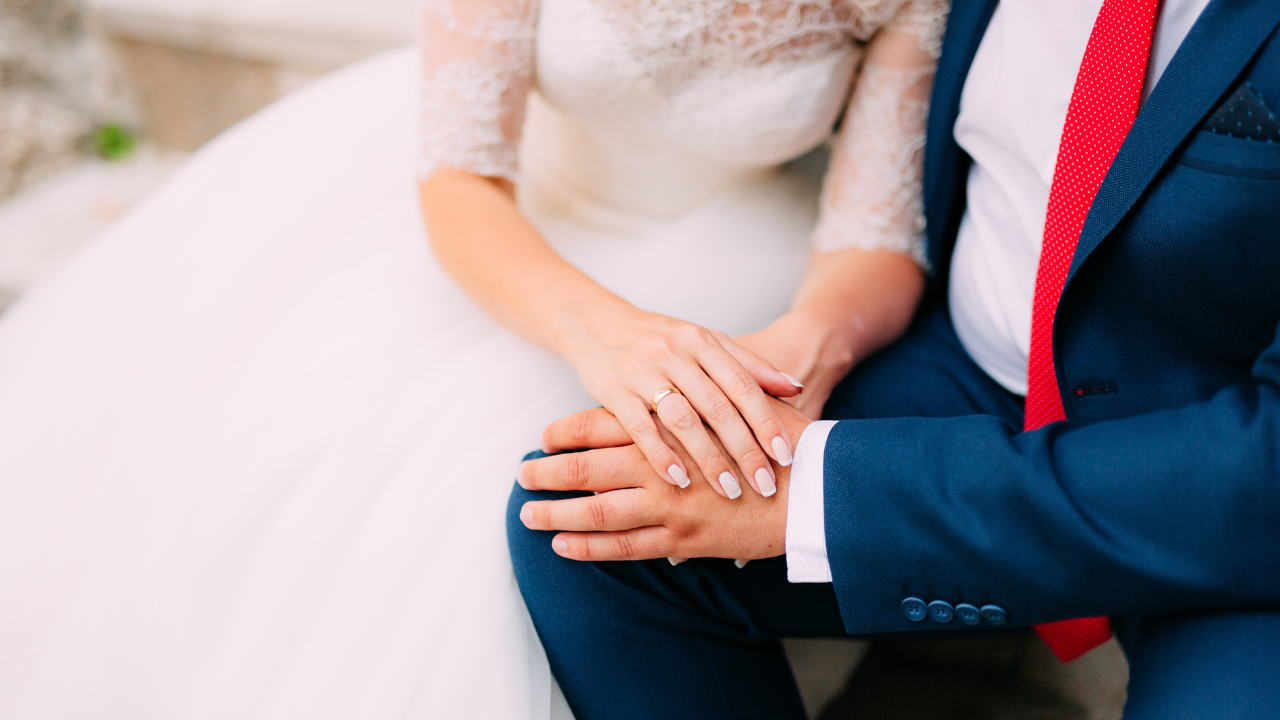
3. Italy: Choosing the wedding date carefully
© shutterstock / nadtochiy

In Italy, selecting a wedding date is often influenced by traditional beliefs and superstitions. Certain days of the week and months are avoided because they are associated with bad luck or unfavorable outcomes. For example, Tuesdays and Fridays are commonly seen as less ideal for weddings.

Months like May and August are also avoided in some regions due to historical or cultural associations. These beliefs highlight how timing is considered an important part of ensuring a positive and successful marriage.

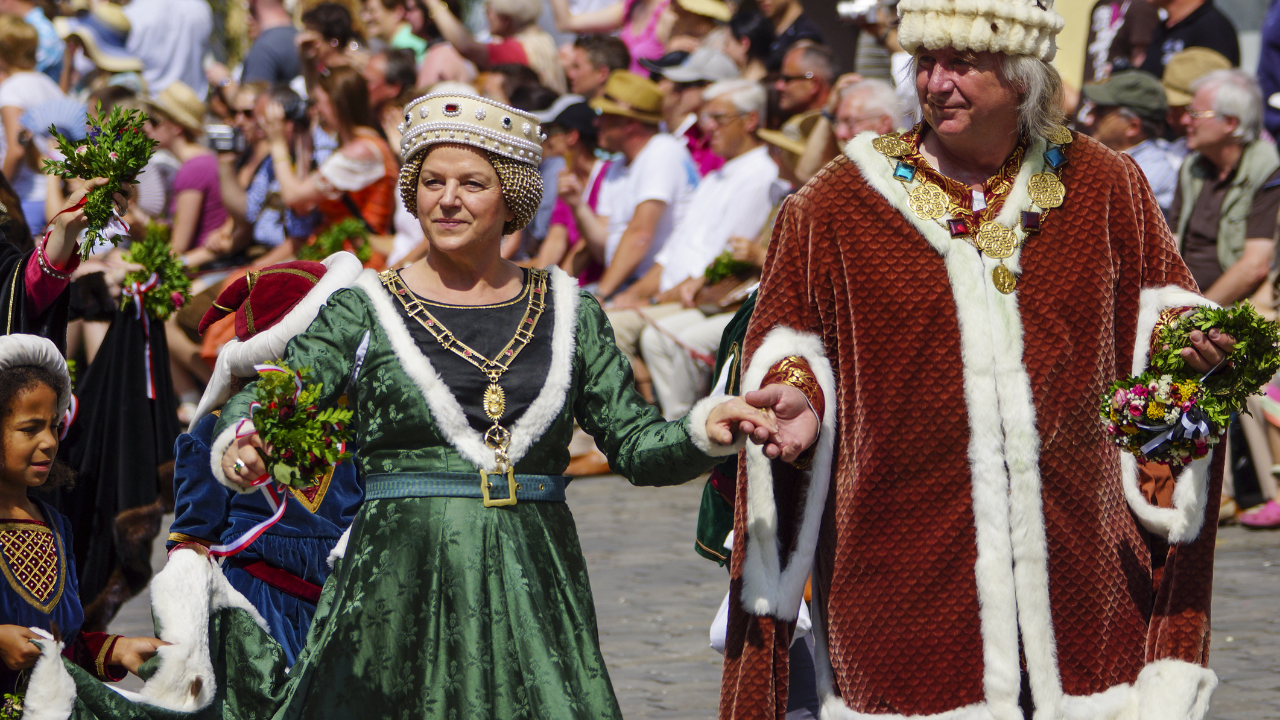
4. Germany: Sawing a log together

4. Germany: Sawing a log together
© shutterstock / footageclips

A unique German wedding tradition involves the newly married couple working together to saw through a log. This activity usually takes place shortly after the ceremony and requires coordination and teamwork.

The act symbolizes the challenges the couple may face in their married life and their ability to overcome them together. It serves as a practical demonstration of cooperation and partnership, reinforcing the idea that marriage requires effort from both individuals.

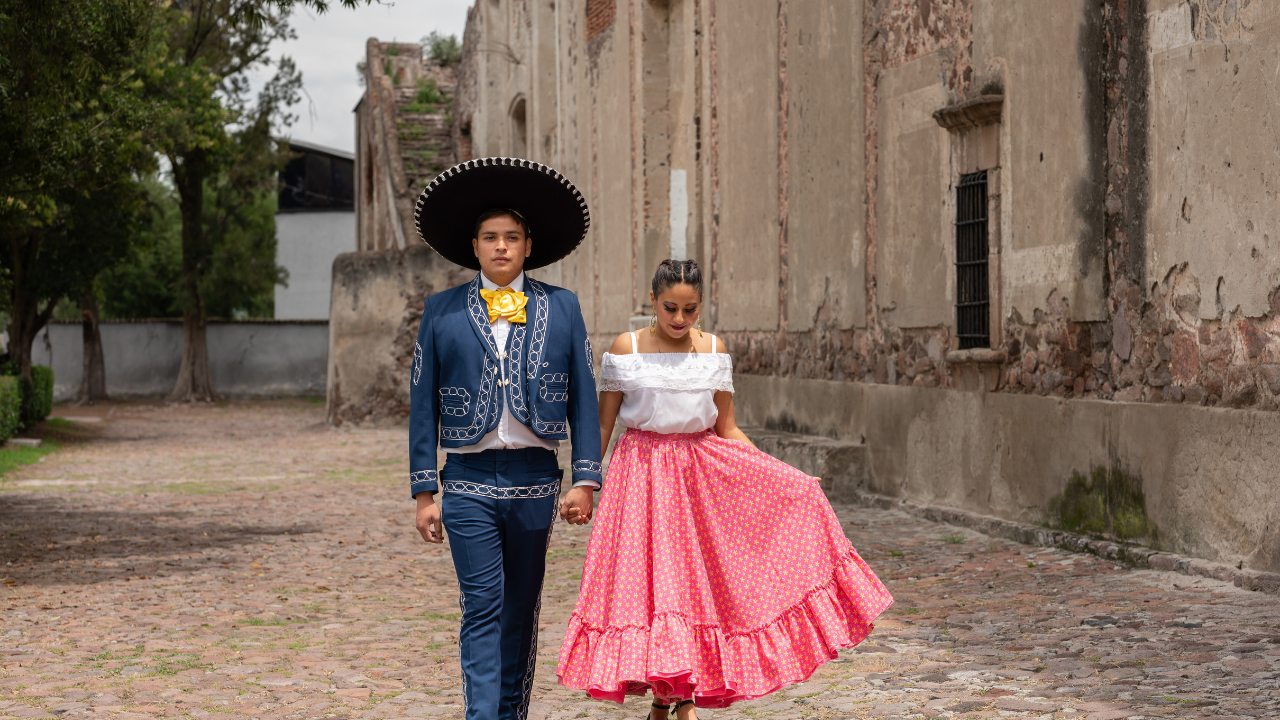
5. Mexico: The wedding lasso

5. Mexico: The wedding lasso
© Martha Stewart Weddings

In Mexican wedding ceremonies, a symbolic lasso made from beads or flowers is placed around the couple’s shoulders during the vows. The lasso is often arranged in a figure-eight shape, representing infinity.

This ritual signifies unity and the unbreakable bond between the couple. It is typically placed by family members or close friends, emphasizing the role of loved ones in supporting the marriage.

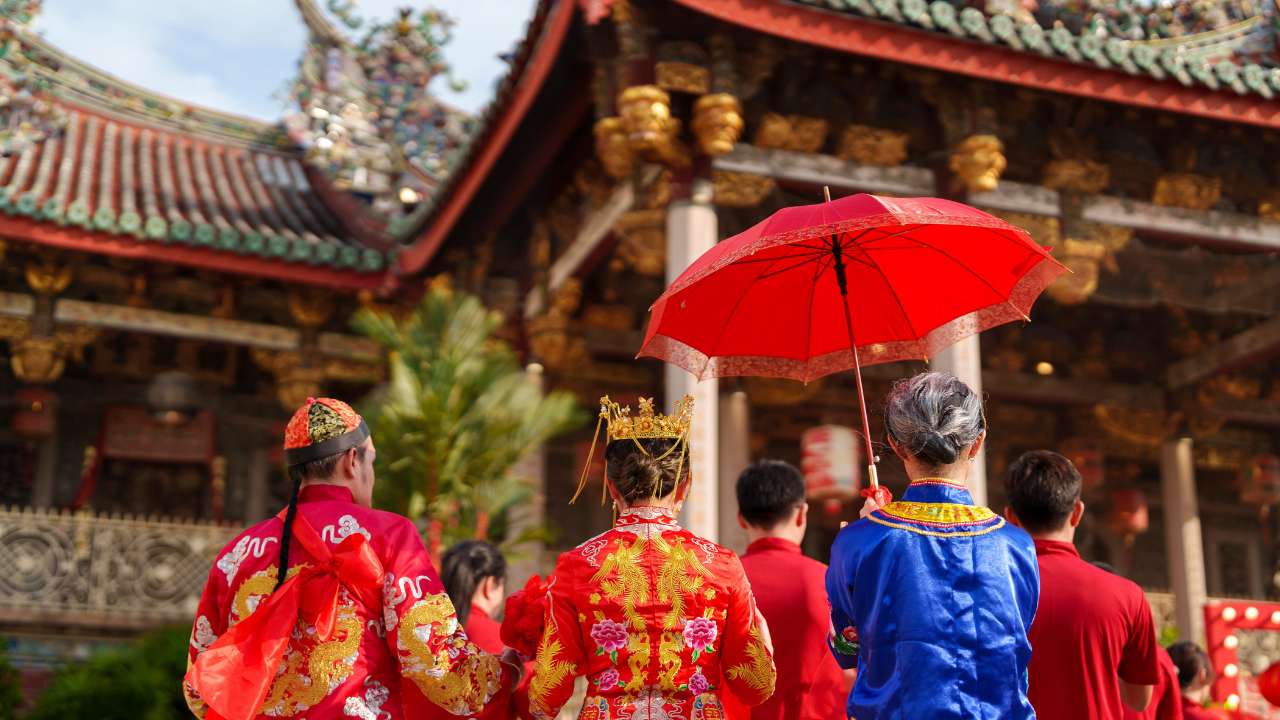
6. China: Wedding door games

6. China: Wedding door games
© shutterstock / TY Lim

On the morning of the wedding, Chinese traditions often include “door games,” where the groom must complete a series of challenges before being allowed to see the bride. These tasks can range from answering questions to performing humorous activities.

The purpose is to show the groom’s dedication and willingness to work for the marriage. It also adds a playful and entertaining element to the day, involving friends and family in the celebration.

7. Spain: Cutting the tie

7. Spain: Cutting the tie
© shutterstock / LightField Studios

In some Spanish weddings, the groom’s friends cut his tie into small pieces and sell them to guests. This tradition is both symbolic and practical, as the money collected is given to the couple.

It represents the support of the community and contributes to the couple’s new life together. The ritual also adds an element of fun and interaction among guests during the celebration.

8. Peru: The cake pull

8. Peru: The cake pull
© shutterstock / antony trivet photography

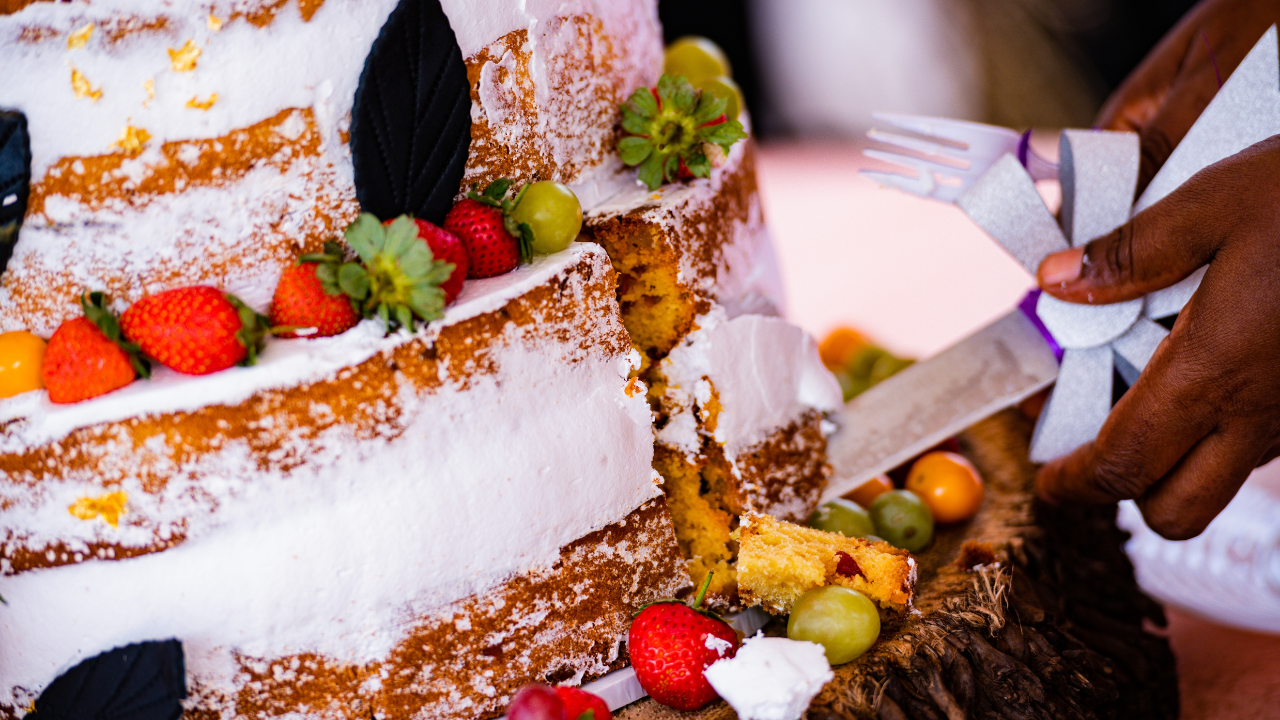
A popular Peruvian tradition involves placing ribbons with small charms inside the wedding cake. One of these charms is attached to a ring, and unmarried guests pull the ribbons to see which one they receive.

The person who pulls the ribbon with the ring is believed to be the next to get married. This tradition adds excitement to the celebration and creates a moment of anticipation among guests.

9. Philippines: Releasing white doves

9. Philippines: Releasing white doves
© Martha Stewart Weddings

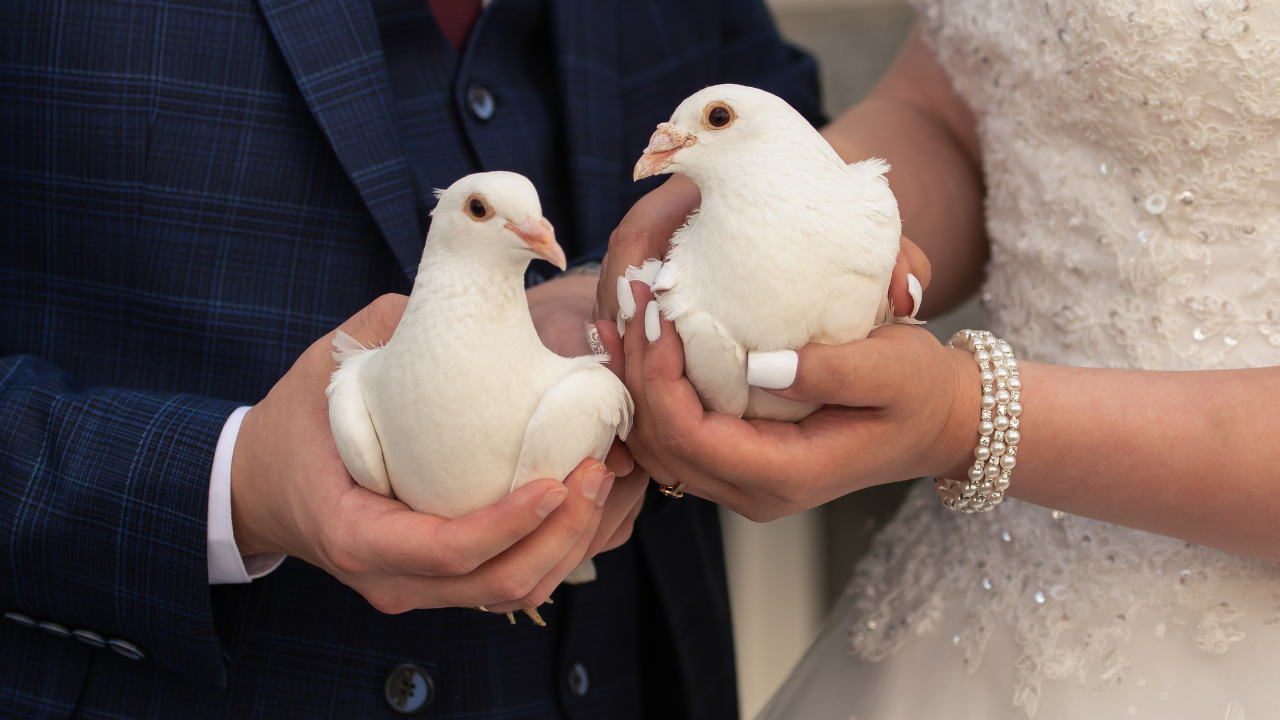
In the Philippines, couples often release a pair of white doves after the ceremony. The birds are seen as symbols of peace, harmony, and loyalty in marriage.

Watching the doves fly away together represents the couple’s journey into a shared life. It is a simple yet meaningful gesture that reflects hopes for a balanced and peaceful relationship.

10. Russia: Karavay bread

10. Russia: Karavay bread
© shutterstock / Best smile studio

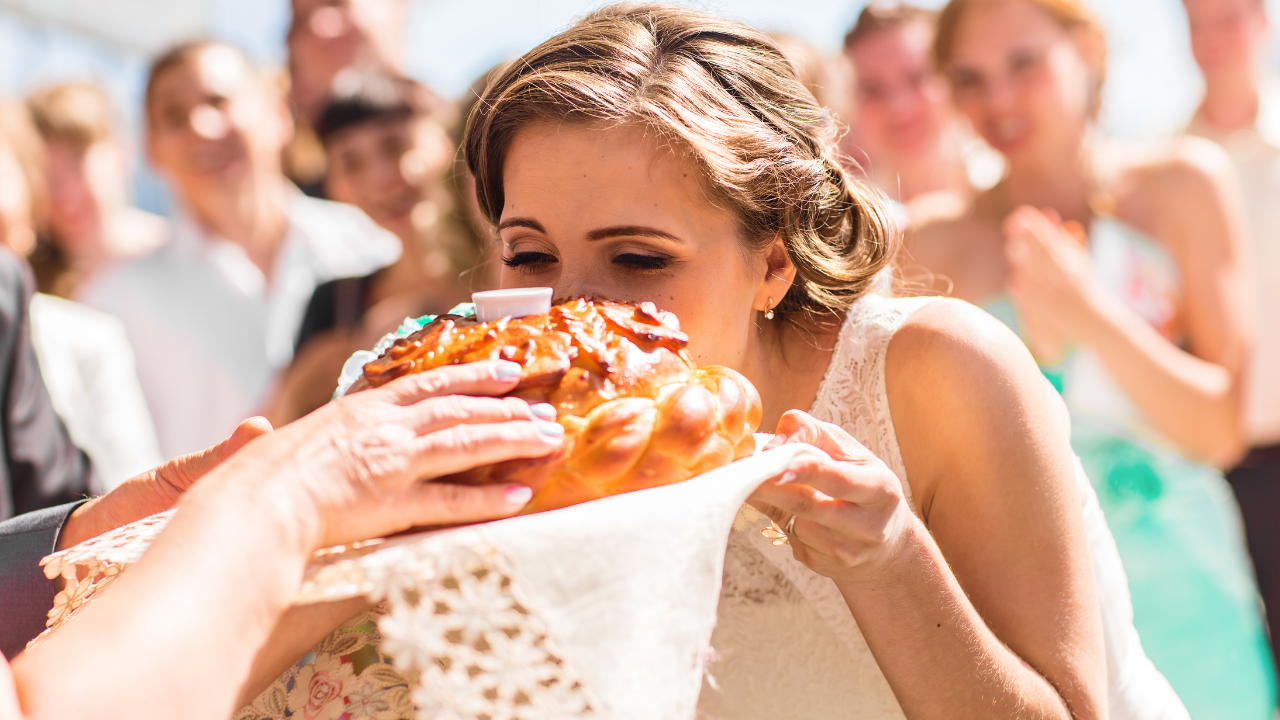
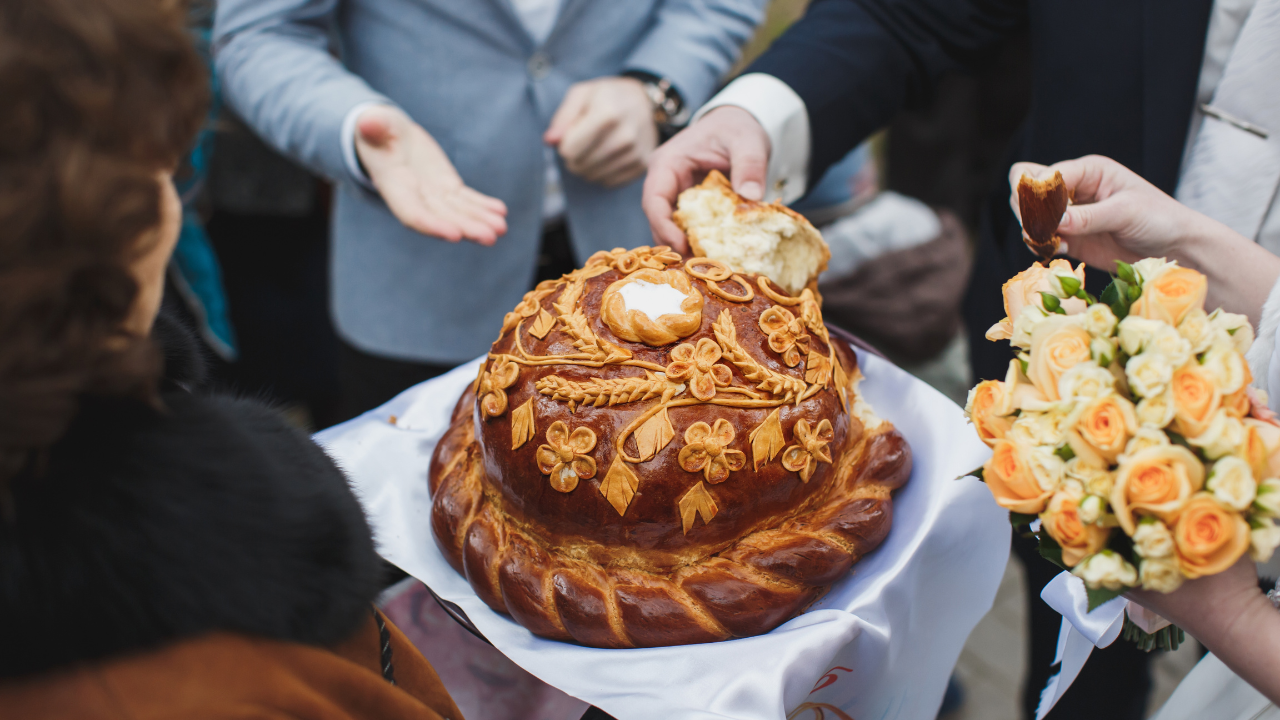
Russian weddings often feature a special bread called karavay, which is decorated with symbolic designs such as wheat and intertwined shapes. The couple shares the bread as part of the celebration.

Wheat represents prosperity, while the design elements symbolize unity and faithfulness. Sharing the bread is a way of wishing the couple abundance and stability in their marriage.

11. Armenia: Bread and honey ritual

11. Armenia: Bread and honey ritual
© shutterstock / Studio Peace

In Armenian tradition, newlyweds may balance flatbread on their shoulders as a way to ward off negative energy. This is followed by tasting honey, which symbolizes sweetness and happiness in their future life together.

The combination of these elements reflects both protection and positivity. It is a meaningful ritual that focuses on creating a joyful and harmonious start to married life.

12. Japan: Sharing sake

12. Japan: Sharing sake
© shutterstock / kazoka

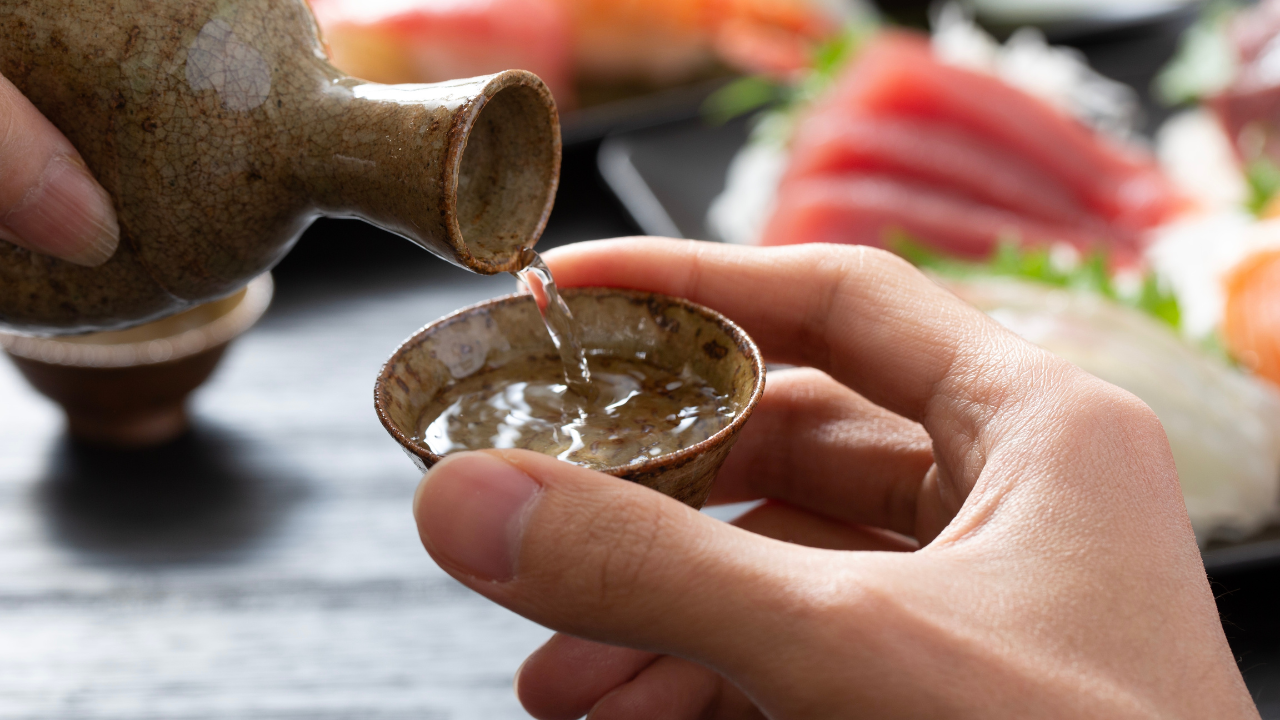
A traditional Japanese wedding ritual involves the couple and their families sharing sake from three cups. Each person takes turns sipping, symbolizing the union of two families.

This ceremony emphasizes connection, respect, and shared responsibility. It is a quiet and meaningful moment that highlights the importance of family in the marriage.

13. Turkey: Planting a flag

13. Turkey: Planting a flag
© shutterstock / arda savasciogullari

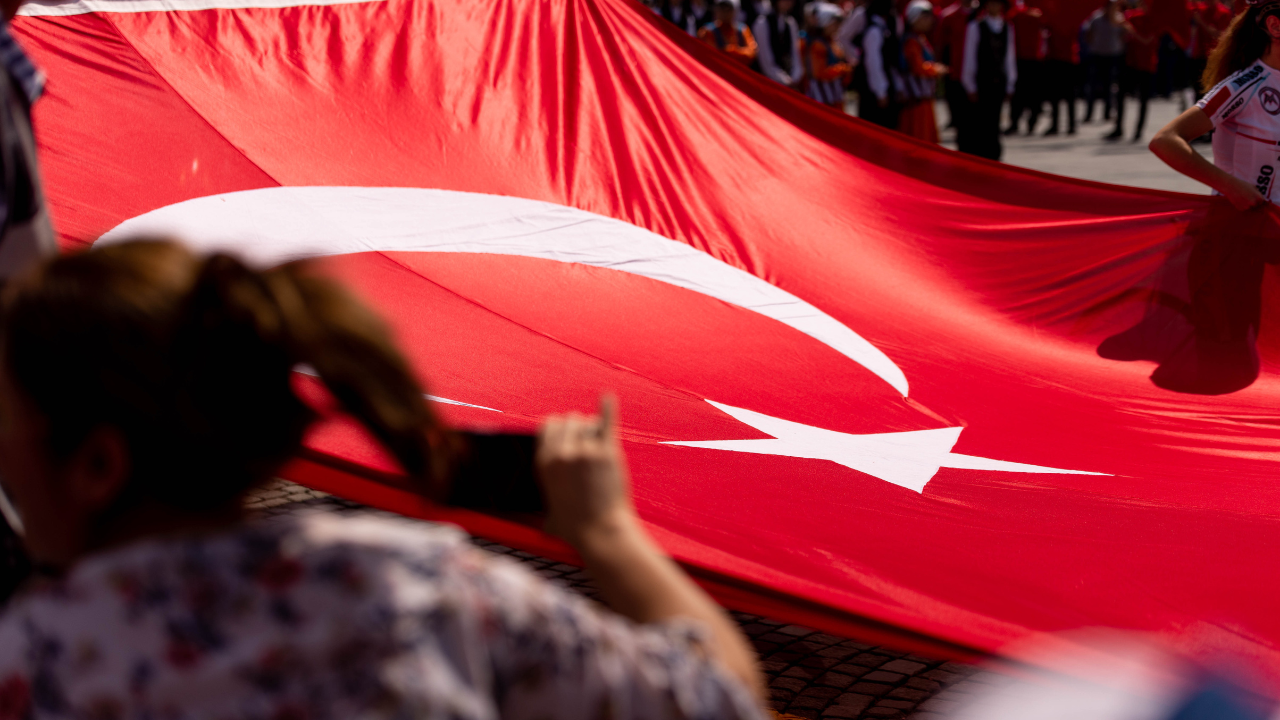
In some Turkish wedding traditions, the groom’s friends place a flag outside his home on the day of the wedding. This marks the beginning of the celebration and signals to the community that the event is taking place.

Decorative items may be added to the flag, each carrying its own meaning. This tradition reflects community involvement and the collective nature of the celebration.

Comments (0)

No comments yet. Be the first to share your thoughts!

Leave a Reply